



The number of U.S. mass killings has fallen to its lowest level in nearly two decades, but researchers caution the decline likely reflects a return to historical norms rather than a lasting trend.
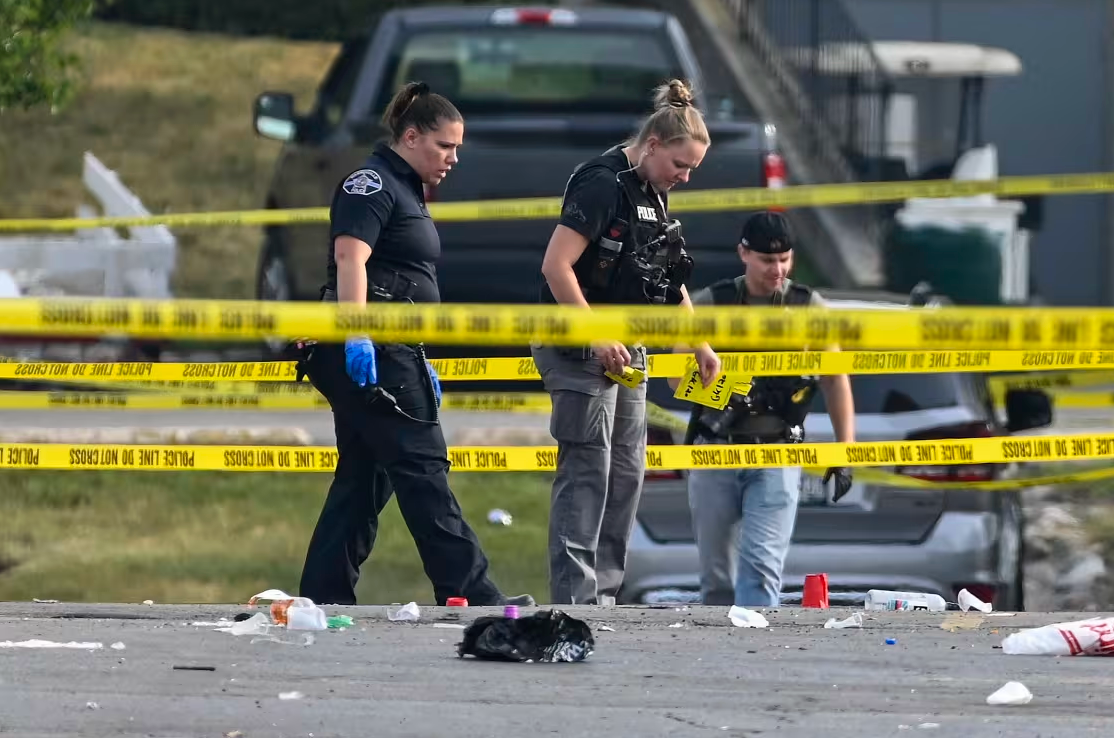
A shooting at a children’s birthday party in California last weekend that left four people dead became the 17th mass killing recorded in 2025. That figure marks the lowest annual total since 2006, according to a database maintained by the Associated Press, USA Today, and Northeastern University.
Researchers say the decline should be viewed in context. James Alan Fox, a Northeastern University criminologist who oversees the database, noted that crime data often fluctuates and tends to move back toward long-term averages. He described the current numbers as a “regression to the mean,” following higher-than-normal spikes in 2018 and 2019.
Fox cautioned against assuming the downturn will continue. “Will 2026 see a decline? I wouldn’t bet on it,” he said. “What goes down must also go back up.”
The database defines a mass killing as an incident in which four or more victims are killed within 24 hours, excluding the perpetrator. According to Fox, this year’s total represents roughly a 24 percent decrease compared to 2024, which itself reflected a 20 percent decrease from 2023.
What This Means for the Gun Control Debate
A single-year decline in mass killings will not slow calls for new federal gun restrictions, and it will likely not change how firearm owners view the issue. The same agencies and advocacy groups that cite rising numbers during bad years rarely acknowledge declines during quieter ones. Instead, policy proposals remain largely unchanged regardless of what the data shows.
The fluctuation highlighted by Fox reinforces what many gun-rights advocates have argued for years: mass killings are rare, statistically volatile events driven by individual offenders—not by broad shifts in lawful gun ownership. Short-term increases or decreases do not establish reliable patterns, and they offer little justification for sweeping restrictions on millions of responsible gun owners.
In other words, one quieter year does not prove anything has “improved,” just as one violent year does not justify dismantling fundamental rights. The debate will continue, but the numbers—good or bad—do not support the notion that more gun laws would meaningfully predict or prevent these outlier crimes.
Read the full article here