






A commonly discussed dilemma is how to handle those in need during a long-term emergency. Let’s say someone comes to your door and asks for food, water, or other assistance. What do you do? The charity bucket is one approach to consider.
Before we go any further, let’s address the elephant in the room. There is an inherent risk involved with helping people. While some folks will plan to just turn everyone away, perhaps at gunpoint, that may not be a realistic plan for everyone. In some cases, you may feel compelled to help, particularly if children are involved.
The goal here is to come up with a way to render assistance without there being undue risk to you and your family.
Advertisement — Continue Reading Below
What is a Charity Bucket?
The idea is simple. You collect some basic supplies and store them in a covered five-gallon bucket or similar container. This is then provided to those in need, at your discretion. It doesn’t need to be an actual bucket, of course. Any portable container will do the trick.
What About Security?
There is definitely a risk in giving people supplies during a long-term disaster. You may run into a stray cat situation. You know what happens when you feed a stray cat, right? They don’t want to leave. While you might want to help people, you can’t be viewed as an ongoing supplier. Your own stockpile will suffer as a result.
Here’s one approach that might work. “We don’t have anything extra, sorry. We’re barely getting by ourselves. But people in the neighborhood have been leaving extra supplies up at the church. You might try there. I’ve been there a couple of times myself to get some help.”
Advertisement — Continue Reading Below
They don’t need to know that it’s you who has been leaving the charity buckets at the church. Think of it like directing stray cats to a shelter rather than feeding them directly on your patio or deck.
What’s in the Charity Bucket?
Advertisement — Continue Reading Below
The contents of the bucket will obviously be contingent upon what you have to spare. But you can game the system, so to speak, by stocking up on things specifically with charity in mind. Think food, water, and hygiene, as well as maybe a comfort item or two.
Here are some examples:
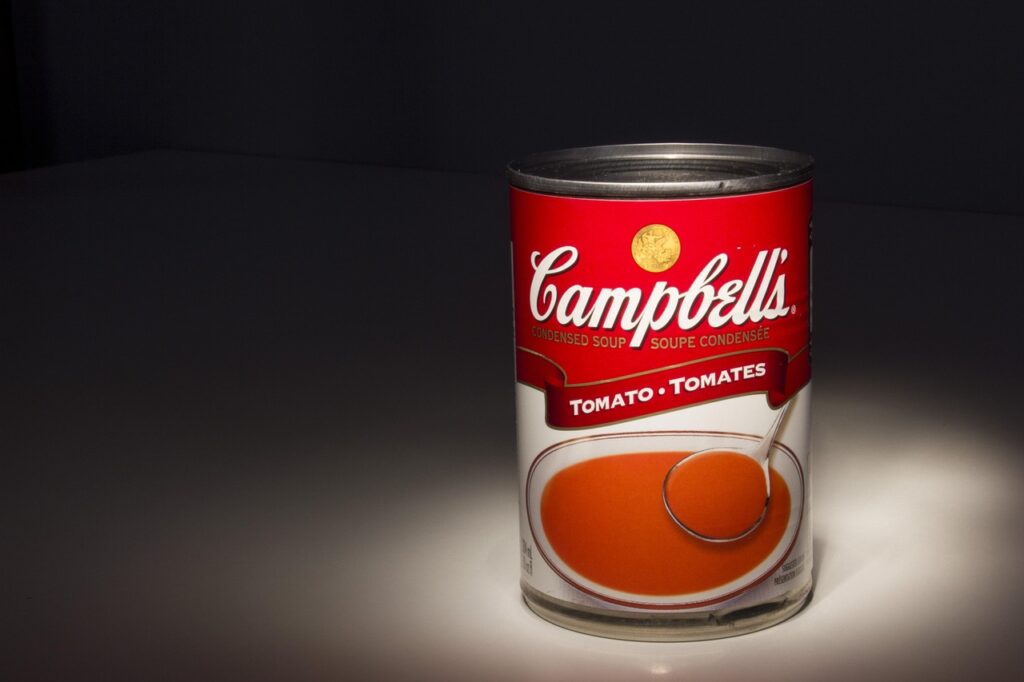
- Canned soup: Condensed soups are cheap and don’t require anything other than water and heat to prepare. Let’s say two cans total.
- Granola bars: Easy to store, and they require no prep before eating. We’ll go with six bars.
- Bottled water: Bottled water is cheap. Go with six of them.
- Lighter: I like to include a lighter or matches, as they are always handy for off-grid food prep. Just one of these per bucket
- Toilet paper: Even one roll might be worth its weight in gold to someone who has none at home.
- Soap: Nothing fancy, just a simple bar of soap.
- Socks: Clean socks are a luxury item in a disaster, and they’re not too expensive today.
Doing some very rough calculations using local prices, you could put all of that into a bucket for under ten bucks, half of which is the socks.
Advertisement — Continue Reading Below

You have to put yourself and your family first, of course. But that doesn’t mean you can’t also find ways to help others during a bad situation.
Read the full article here