


NEWYou can now listen to Fox News articles!
I grew up in Windsor Locks, Connecticut. Our town’s name described what made us unique — we had locks on the Connecticut River. Ever since I was a kid, I understood how locks worked, and I always wanted to see the ones that changed the world.
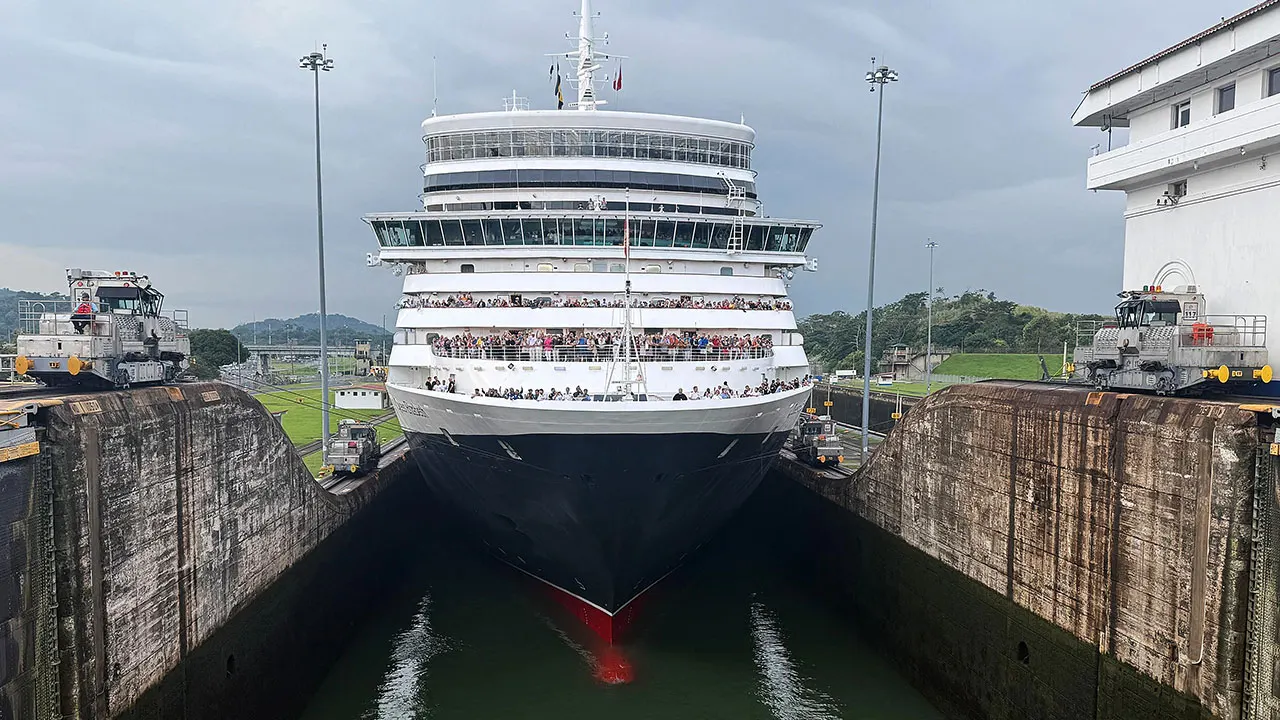
Recently, I had that opportunity when I transited the Panama Canal. To see the locks operate just as they have for more than 110 years was thrilling. Traveling the almost 50-mile journey from the Pacific to the Atlantic was an experience I’ll never forget.
The construction of the Canal was the largest and most expensive project ever undertaken at that point in human history. Nothing so massive, elaborate or systematic had ever been attempted before. The financial cost, combined with the human toll of more than 25,000 lives lost, was comparable to a war.
BLACKROCK INKS $23B DEAL FOR PANAMA CANAL PORTS
Such a monumental achievement could never have happened without determination, perseverance, persistence and grit. The result changed the world and the global economy forever. The Canal cut the distance from the Atlantic to the Pacific by 8,000 miles, resulting in three fewer weeks of travel time.
Today, ships carrying as many as 11,000 containers transit through the Canal. Cars, appliances and an array of other goods make their way across the world thanks to the more than one million ships that use the Panama Canal each year.
But the journey to a mid-continental canal was a long one, filled with crushed dreams, financial ruin, enormous adversity — and ultimate triumph. The French were the first to attempt building the Canal. Ferdinand de Lesseps had built the Suez Canal and was certain he could build the Panama Canal too. The French created a private company to do it. They sold shares in multiple rounds of investment. Huge sums of money were raised and spent.
After almost a decade of work, they quit and accepted defeat. Ferdinand de Lesseps insisted on a sea-level canal instead of one with locks, even though the two oceans have different sea levels, with tides rising 20 feet on the Pacific side but only three feet on the Atlantic. That decision was the single greatest factor in the project’s failure.
BUILDING THE PANAMA CANAL: HOW TEDDY ROOSEVELT’S ALL-AMERICAN VISION MADE HISTORY
More than 20,000 workers died, most from yellow fever and malaria. He would later admit that Panama was 10 times more difficult than Suez. Most unfortunate were the more than 800,000 French men and women who had invested in the project. The savings of entire families were gone. People lost everything. It was the largest and most significant financial collapse on record — a historic failure.
A decade later, America chose to build the Panama Canal. President Theodore Roosevelt asked the United States Senate to choose either Panama or Nicaragua for the canal. Even though a Nicaragua canal would be 135 miles longer, require more locks, and be more expensive to operate, it was the favorite. But after 14 days of debate, Panama won by a mere eight votes.
America would pursue the seemingly impossible task of building the Panama Canal. It would require cutting through a jungle filled with ferocious animals, snakes and tarantulas — and carving through the sheer rock of the Continental Divide.
US, PANAMA ‘TAKING BACK’ CANAL FROM ‘CHINA’S INFLUENCE,’ SAYS HEGSETH
Roosevelt tapped John Wallace as chief engineer. He lasted only a year, overwhelmed by the monumental task, a brutal climate and the fear of yellow fever and malaria. John Stevens took over and proposed a lake-and-lock plan.
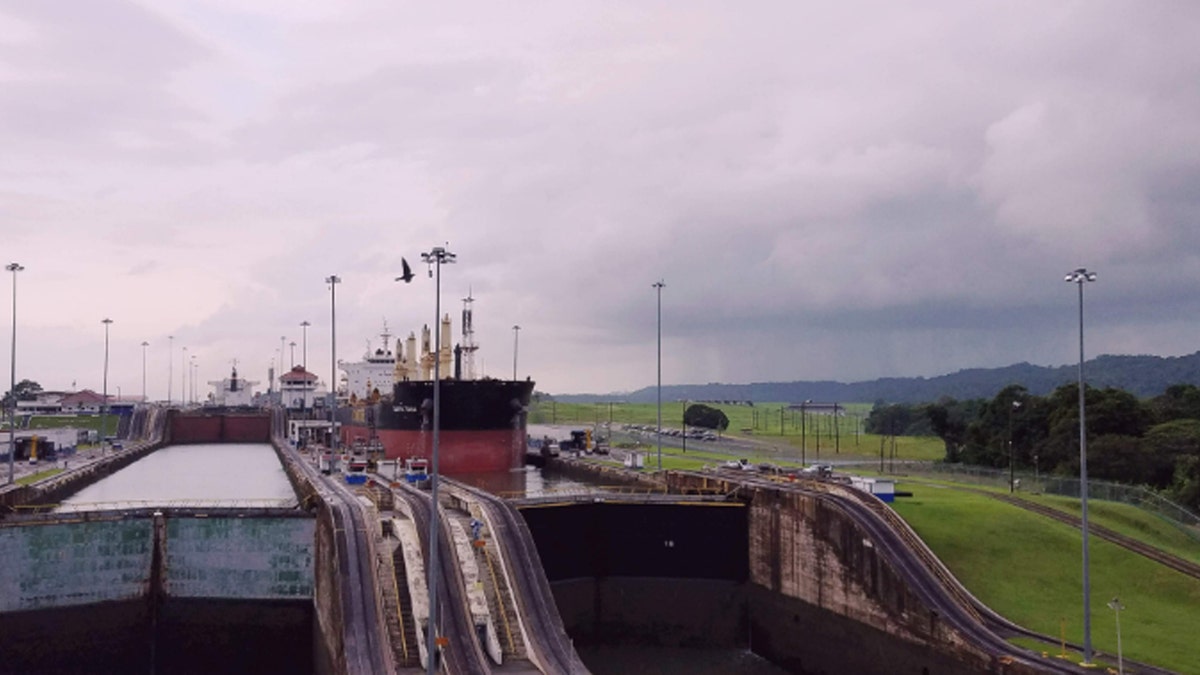
The Panama Canal is not a simple passageway. It uses three locks to lift ships up to travel through the man-made Gatun Lake, then three more locks to lower them back down to another canal. Stevens also tasked chief Army physician William Gorgas with successfully eradicating yellow fever. But Stevens resigned three years later with no explanation.
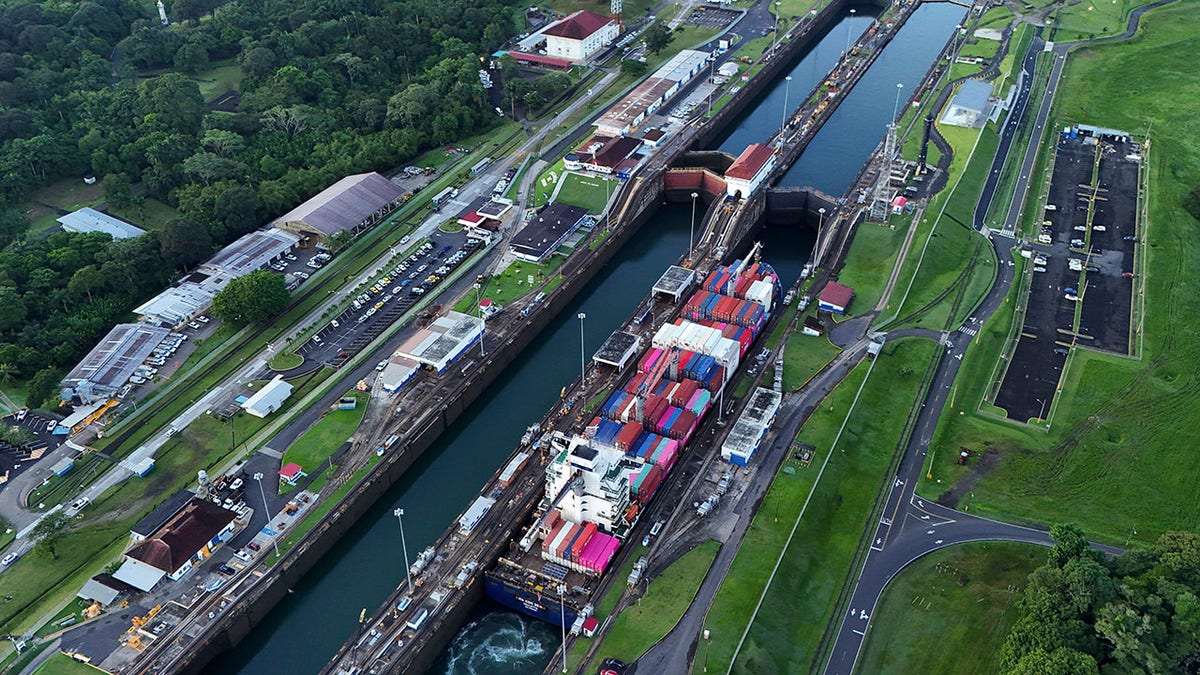
Colonel George Goethals took over and finished the job. He brought a military mindset to the work, but the demanding conditions remained. The rainy season lasts eight months in Panama, with 120 inches of annual rainfall, resulting in flooding and mudslides.
CLICK HERE FOR MORE FOX NEWS OPINION
Heat and humidity were oppressive. At the bottom of Culebra Cut, the midday temperature was seldom less than 100 degrees — and often reached 120 to 130 degrees. On a typical day, more than 300 rock drills were in use, along with steam shovels and dynamite blasts. The noise was deafening and could be heard for miles.
Though yellow fever and malaria were eradicated, death was omnipresent. Men were struck by flying rocks, crushed by machines, or blown to bits by dynamite. More than 5,000 men died during the American construction. It was an incredible test of human endurance.
But on August 15, 1914, the Canal opened for business — miraculously under budget and six months ahead of schedule. It was the culmination of a dream and more than 20 years of phenomenal effort and perseverance.
This new year, you can see the impossible become possible in your own life — if you practice the same persistence and determination. As the English preacher Charles Spurgeon once said, “By persistence the snail reached the ark.”
ARNOLD SCHWARZENEGGER, ON NEW YEAR’S DAY, SHARES ‘THE ONLY THING THAT WORKS’ WHEN IT COMES TO ACHIEVING GOALS
This could be the year you stick with it — no more quitting or giving up. No more excuses for why it can’t be done or is simply too difficult. The Canal went from a dream to reality through grit and determination, through consistent progress in a singular direction.
Maybe you are disappointed with the pace of your progress or the rate of your accomplishments. You may wish you were further along than you are. It takes time for the work to be done in our lives. It often takes longer than we expect. We can get frustrated at the slow pace of growth and wish for more.
But if you have perseverance and endurance, you can see your dream become reality. You may lack money, ability or resources, but a million dollars’ worth of determination will get it done.
There may be setbacks this year. Illness strikes. Loss hits. Relationships end. Time and again, in the building of the Canal, there were setbacks that required restructuring. You, too, must regroup and continue your journey. Despite the failures, you must choose to persevere through disappointment and pain.
CLICK HERE TO DOWNLOAD THE FOX NEWS APP
You can hang on far longer than you think. You may believe you can’t do it anymore. It’s hard. It’s challenging. But so was building the Canal — and they overcame. You can too. Sometimes the toughest moment comes right before the breakthrough.
The Christian missionary Hudson Taylor said it best: “First it is impossible, then it is difficult, then it is done.”
CLICK HERE TO READ MORE FROM RICK McDANIEL
Read the full article here