





Getting started as a new gun owner has not only a somewhat steep learning curve, but also an equipment acquisition phase that can be a challenge. Once you have your gun, ammo, targets, and something to carry them all, you’re ready to go to the range, right? Wrong. Before your next shooting trip, there are other gear options you need. Let’s dig into it.
Gear Up for Your Next Shooting Trip
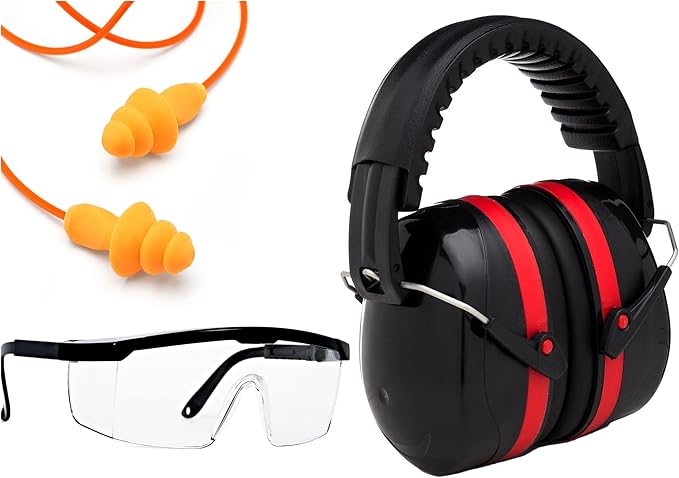
What you might not have yet considered is that two of your most precious possessions—your hearing and eyesight—can both be severely damaged in just a short trip to the range. The answer is eye and ear protection designed to get you home from the range with your hearing and vision intact every time.
Eye Protection
God only gives us two eyes, and it’s our job to take care of them. Since shooting can cause vision damage in several ways, the obvious solution to such a problem is shooting glasses.
Advertisement — Continue Reading Below
Of course, a typical pair of sunglasses can be worn at the range and would yield some protection. However, purpose-made shooting glasses with tougher lenses and with various color lenses not only protect you better, but also help you to see better when shooting.
When shooting, spall flies off steel targets, ejected cartridge casings fly around your face, gas from ignition blows back, and dirt and oil tend to splatter. Consequently, having a pair of ballistically rated lenses between your eyes and whatever might be coming at them next can make the difference between a good day at the range and a long night at the hospital.
For the best eye protection, shooting glasses should be ANSI Z87+ high-impact approved. The ANSI rating indicates the lenses’ ability to protect your eyesight from flying hazards at the range.
Advertisement — Continue Reading Below
Eye protection for shooters comes in a wide range of prices and qualities, from just a few bucks to several hundred. This is one of those categories in which you don’t want to skimp when making a purchase. Using the old buy-once, cry-once method might save you some serious troubles down the road.
Ear Protection
According to experts, exposure to noise greater than 140 decibels (dBs) can cause permanent damage to your hearing. Unfortunately for shooters, just about all firearms, including the rimfire .22 LR, can produce noise exceeding that level, with some firearms exceeding it by a large margin.
Additionally, firing guns in enclosed spaces like many firearms ranges makes noises even louder. A single shot in such a situation without hearing protection can do permanent damage. That’s why you see so many Baby Boomers running around with hearing aids. Nobody told us shooting would do permanent damage, so we often didn’t take the necessary precautions.
Advertisement — Continue Reading Below
The answer, of course, is shooting-specific hearing protection devices. These are available, ranging from simple foam plugs you roll up and stick in your ear to fancy headset devices to expensive custom in-ear units that amplify other sounds to let you hear what’s going on around you while dampening the sound of loud noises like gunshots.
The most important thing about choosing hearing protection is to ensure that whatever device you choose is rated to protect your ears from gunshots. Hearing protection is measured by Noise Reduction Rating (NRR). Devices with an NRR below 20 typically yield less protection than devices with an NRR in the 20s. Many have an NRR of over 30 when used properly. Devices with an NRR in the high 20s or low 30s will generally offer the most protection available on the market.
Read the full article here