


I had the opportunity to visit New York City for the first time last weekend, and to be honest, I felt naked without my carry pistol. However, with the various laws and “sensitive places” restrictions, it’s nearly impossible to even take a handgun into the city legally, much less carry it for self-defense.
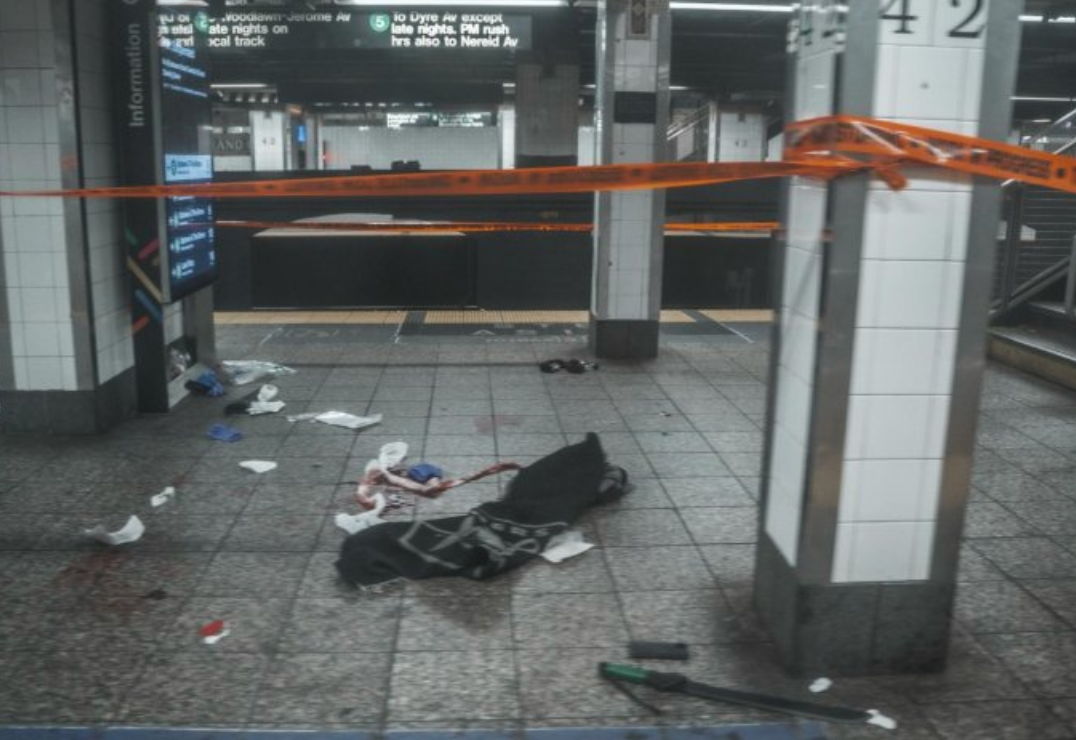
Fortunately, on the morning of April 12, I was in the security line at LaGuardia Airport, “admiring” the signs threatening me with a multi-thousand-dollar fine if I happened to have a firearm in my carry-on bag. Meanwhile, at the nearby 42nd Street-Grand Central subway station, 44-year-old Anthony Griffin was attacking people with a machete, injuring three people at the station.
New York City police officers eventually shot and killed Griffin when he advanced toward them with the machete at the ready, basically proving that the only thing that stops a bad guy with a machete is a good guy with a gun. Unfortunately for those who were attacked, armed good guys who aren’t cops don’t exist in the NYC subway to stop such attacks earlier. That’s because mass transit is one of those “sensitive places” where the city bans the carry of firearms by anyone except law enforcement officers and violent criminals.
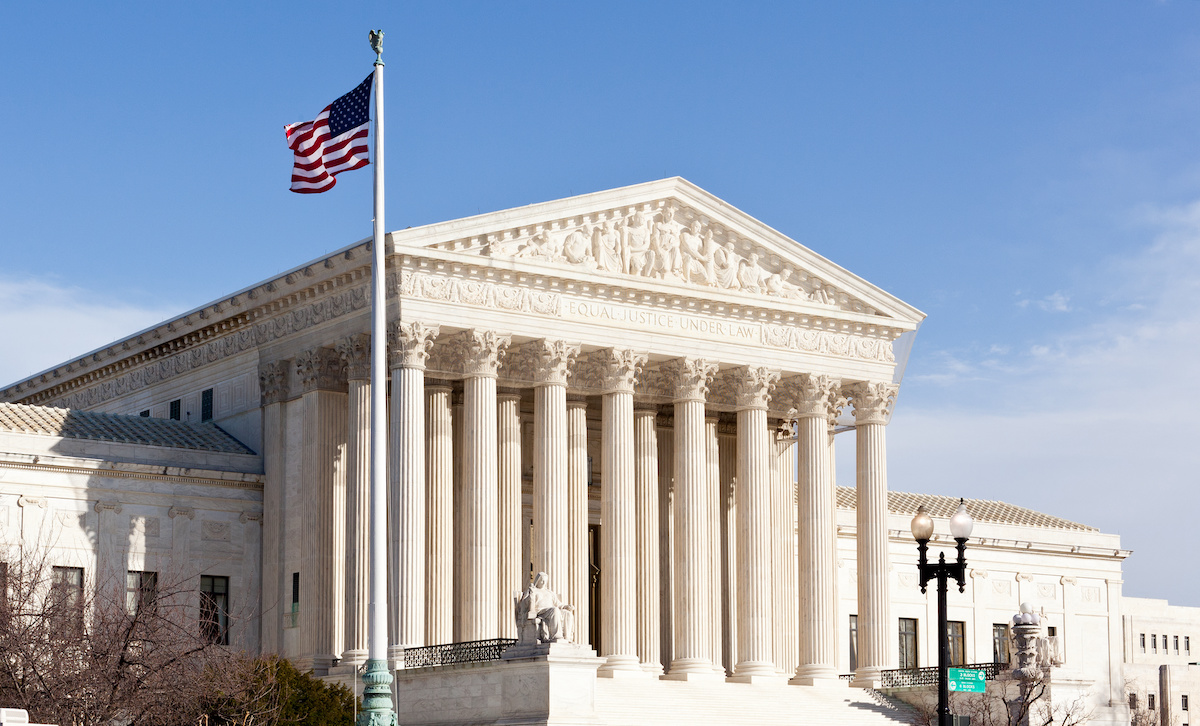
Back in 2022, the U.S. Supreme Court ruled in New York State Rifle & Pistol Association v. Bruen that New York’s carry laws, which made it terribly difficult to apply for a permit, much less receive one, were unconstitutional under the Second Amendment. Of course, since anti-gunners never take a constitutional loss seriously, state legislators quickly passed a package of “Bruen-response” measures, including designating most locations around the city as “sensitive places.”
Since then, other jurisdictions have followed suit. Consequently, “sensitive places” laws have been discussed, debated and considered in courtroom after courtroom with mixed results. If you look at the plain text of the Second Amendment, they are blatantly unconstitutional. After all, they do “infringe” on the “right to keep and bear arms.”
One thing is for certain about these “sensitive places” laws, though: Only law-abiding citizens follow those laws. Criminals pay no heed to such restrictions. In fact, past research has shown that violent criminals gravitate toward such areas where they know they won’t meet armed resistance until the police arrive minutes—sometimes many minutes—later.
Given that people are allowed to carry their permitted concealed handguns in the vast majority of public places around the country, if mass public shootings were random, 95% or more of such attacks would take place in areas where permitted concealed handguns were allowed. Instead, the reverse is true, with 94% of these attacks taking place where general citizens are banned from having guns.
As John Lott, head of the Crime Prevention Research Center (CRPC), recently wrote in an op-ed at Real Clear Politics, time after time, murderers exploit regulations that guarantee they’ll face no armed resistance.
“Diaries and manifestos of mass public hooters show a chilling trend,” Lott wrote. “They deliberately choose gun-free zones, knowing their victims can’t fight back.”
Ultimately, I’m thankful that I was in the airport and not at the subway station that recent Sunday morning. Since New York, both the state and city, had effectively disarmed us, my wife and I could have been hacked up by a machete-wielding madman, all the while wishing we hadn’t lost our right to keep and bear arms just by traveling to the Big Apple.
Read the full article here