





This article was originally published by Willow Tohi at Natural News.
-
- Israel’s UN ambassador publicly accused France, China, and Pakistan of making secret payments to Iran for safe passage through the blockaded Strait of Hormuz.
-
- The accusations stem from reports that commercial vessels from these nations transited the strait despite Iran’s broader shipping restrictions.
-
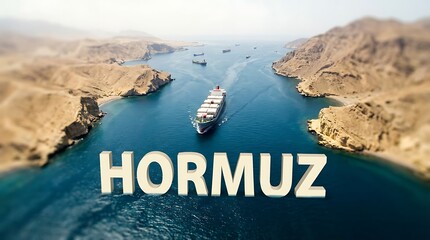
- The Strait of Hormuz is a critical global chokepoint, handling approximately 20% of the world’s oil and liquefied natural gas.
-
- Iran has selectively allowed passage for some nations’ ships while maintaining a blockade against others, deepening geopolitical fractures.
-
- The confrontation at the UN highlights the escalating crisis over control of the vital waterway and the potential for broader conflict.
In a dramatic escalation of rhetoric at the United Nations, Israel’s ambassador has openly accused three member states—France, China, and Pakistan—of striking covert financial deals with Iran to bypass its blockade of the strategically indispensable Strait of Hormuz. The allegations, delivered by Ambassador Danny Danon during a General Assembly session on Friday, April 19, cast a stark light on the deepening geopolitical fractures and alleged back-channel arrangements emerging from Iran’s control over the world’s most important oil transit corridor.
The accusation: Paying for passage
Ambassador Danon’s confrontation was direct and public. Taking to the social media platform X after the session, he stated he had asked the French ambassador, “How much money did you pay Iran to move ships safely through the Strait of Hormuz?” He reported that the French diplomat, along with the ambassadors from China and Pakistan, offered no reply. “Surprisingly, he had no answer,” Danon wrote, framing their silence as an admission of questionable dealings. The Israeli mission’s rhetoric suggests these nations are undermining international pressure on Tehran by financially rewarding its blockade tactics.
The strategic prize: The Strait of Hormuz
The intensity of the diplomatic clash is matched only by the staggering value of the waterway at its center. The narrow Strait of Hormuz, situated between the Persian Gulf and the Gulf of Oman, is an irreplaceable artery for global energy supplies, facilitating the transit of roughly 20% of the world’s consumed oil and liquefied natural gas. Iran initiated an effective blockade of the strait in late February 2026 in retaliation for a U.S.-Israeli bombing campaign, throwing global markets into turmoil and forcing nations to scramble for solutions.
Iran has employed a strategy of selective permission, announcing in March that vessels from nations including China, Russia, India, Pakistan and Sri Lanka would be allowed passage. Reports from April indicated a French-owned container ship also navigated the strait. This carve-out system has created a stark divide, pitting nations that can secure access against those that cannot, and now, according to Israel, exposing those who may be paying for the privilege.
The perils of a chokepoint
The current crisis is a potent reminder of a long-standing vulnerability in global security and economics. For decades, analysts have war-gamed scenarios in which Iran, leveraging its geographic advantage, could strangle energy exports from the Persian Gulf. Such an action has been considered a potential trigger for global recession and direct military conflict. Past tensions have led to international naval patrols and diplomatic efforts to ensure freedom of navigation. The present blockade and allegations of paid access represent a dangerous normalization of using the strait as a coercive economic and political weapon, setting a precedent that could destabilize global trade far beyond the Middle East.
A fractured international response
The incident underscores a significant lack of unified international resolve. While France has previously voted for UN resolutions condemning Iran’s blockade, China has used its veto power or voted against critical wording, and Pakistan has abstained. This divergence mirrors the reported disparity in ship passage and fuels Israeli accusations of hypocrisy and secret diplomacy. The Trump administration, alongside its allies, faces a complex dilemma: how to confront Iranian aggression without triggering a full-scale regional war or causing the very energy price spikes that would empower adversaries like Russia, a major beneficiary of oil market volatility.
A crisis with no easy exit
The tense exchange at the United Nations is more than a diplomatic spat; it is a symptom of a rapidly escalating crisis with few clear off-ramps. Israel’s public shaming of France, China, and Pakistan reveals a strategy aimed at exposing and isolating nations it believes are undercutting collective security for individual gain. As the blockade continues and allegations of secret deals circulate, the foundational principle of freedom of navigation is eroding, replaced by a system of bilateral bargains under duress. The stability of global energy markets and the risk of a wider war now hinge on whether a fractured international community can find a unified path to reopen this vital waterway without further empowering Tehran or descending into broader conflict. The silence of the accused ambassadors in New York speaks volumes about the difficult choices and hidden negotiations defining this new and perilous chapter.
Read the full article here