





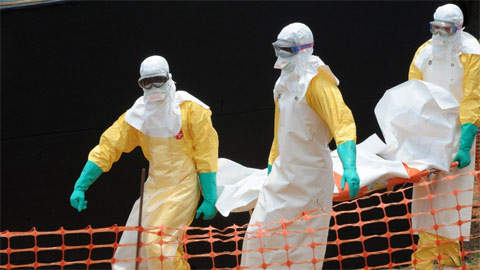
While the risk of Ebola and hantavirus to Americans is low, the World Health Organization, along with other experts, says that both are still a concern. However, health officials state that the Ebola outbreak is a far more serious epidemic than the hanatavirus.
“I am deeply concerned about the scale and speed of the epidemic,” WHO Director-General Tedros Adhanom Ghebreyesus said at the World Health Assembly on May 19th, according to a report by TODAY.com.
The Ebola Scare Begins: The Worst Outbreak Of Bundibugyo Virus Disease In World History
The United States Centers for Disease Control and Prevention announced an entry ban for foreign travelers who’ve visited DRC, Uganda, or South Sudan in the last 21 days, and said it plans to ramp up screenings for anyone returning from Ebola-affected countries.
There have been only a couple of previous Bundibugyo outbreaks: one in Uganda in 2007 and one in Congo in 2012. The fatality rate during those incidents ranged from 30% to 50%, according to the WHO.
The reason health officials are more concerned about the Ebola virus than the hantavirus is twofold. “This outbreak was already quite large when it was detected, which is concerning because the virus has had weeks to spread unimpeded,” Caitlin Rivers, Ph.D., director of the Center for Outbreak Response Innovation at the Johns Hopkins Bloomberg School of Public Health, tells TODAY.com.
The virus has also already spread across borders, Jodie Guest, Ph.D, senior vice chair of epidemiology at Emory University’s Rollins School of Public Health, said.
By comparison, the hantavirus is much more contained.
Canada Confirms A “Presumptive Positive” Test For Hantavirus
The current trends “point towards a potentially much larger outbreak than what is being detected,” the WHO said of the Ebola outbreak.
Another problem is also plaguing the response to the Ebola outbreak. A humanitarian crisis and recent population displacement in the region may hinder health officials’ ability to contain the outbreak. “The Bundibugyo outbreak is unfolding in a difficult setting, a remote area troubled by conflict,” Rivers says.
Officials did say that while the outbreak is alarming, it’s unlikely to trigger a pandemic. “The risk to the general population in the U.S. is extremely low, and we don’t have any cases here right now,” says Guest.
Read the full article here