




NEWYou can now listen to Fox News articles!
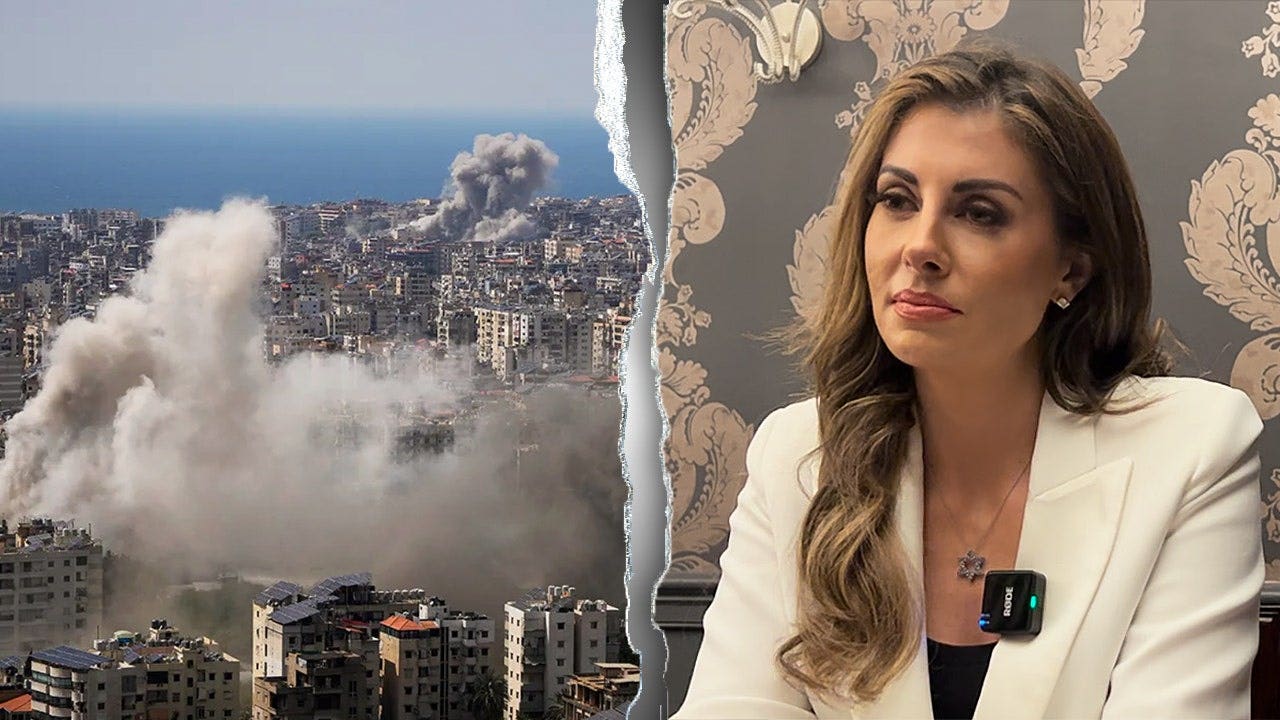
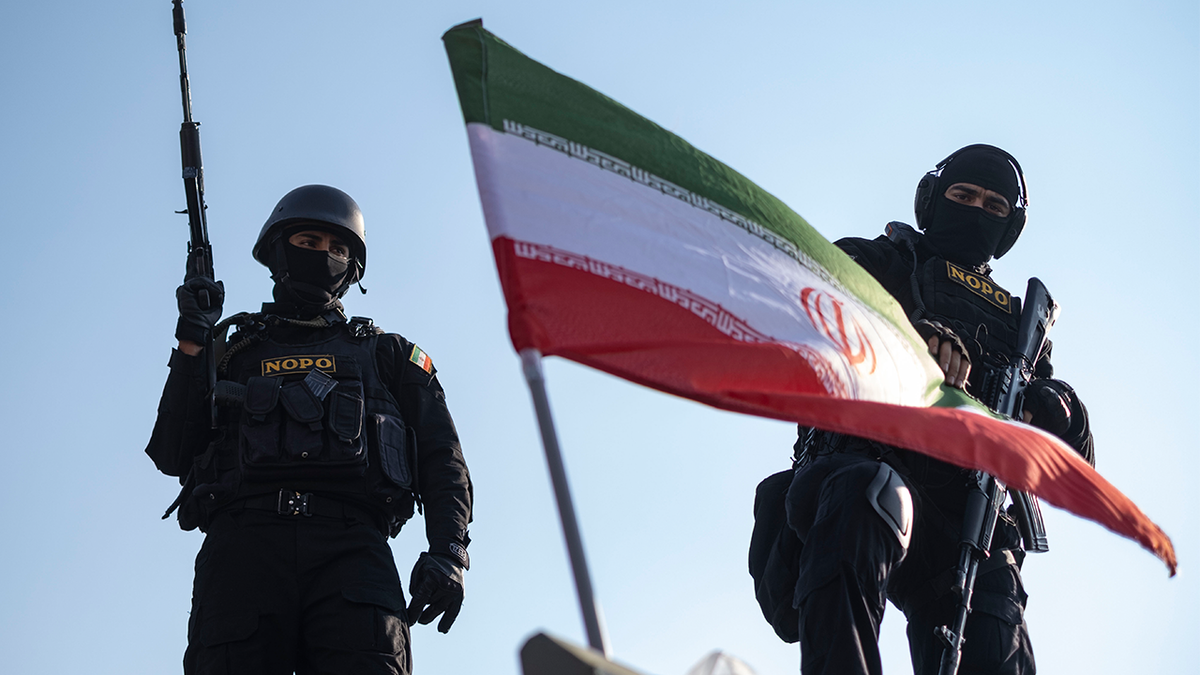
Former Trump envoy Morgan Ortagus warned Wednesday that Iran may be using ongoing nuclear negotiations to “buy time” as President Donald Trump pauses planned military strikes and extends a fragile ceasefire to allow more room for diplomacy.
Speaking with Fox News Digital after the Middle East Forum in Washington, Ortagus said Iran has long used drawn-out negotiations as a strategy to delay pressure while preserving leverage.
“It’s the tactic of the regime to stall, to draw negotiations, to buy time,” Ortagus said of Iran. “I would encourage the president not to fall into the trap that the Iranians like to do … which is to drag things out to buy time.”
Trump recently paused planned strikes and extended diplomatic talks with Iran following pressure from Gulf allies seeking more time for negotiations, even as the administration continues pressing Iran over its nuclear program and regional proxy network.
GEN JACK KEANE ‘SKEPTICAL’ THAT IRAN CEASEFIRE WILL HOLD, WARNS TEHRAN WILL ‘DELAY AND OBFUSCATE’
Ortagus, who served as State Department spokeswoman during Trump’s first term and later worked on Middle East negotiations during his second administration, argued the White House now has more leverage than previous administrations in dealing with Iran.
Critics of past Iran negotiations, including many Trump administration officials, have long argued Iran used diplomacy to prolong talks while continuing to advance aspects of its nuclear program. Trump withdrew from the Obama-era Joint Comprehensive Plan of Action, or JCPOA, in 2018, calling it a “disastrous” agreement that failed to permanently curb Iran’s nuclear ambitions.
Ortagus said she remains confident in Trump’s negotiating approach and emphasized that the president ultimately has final authority over any military or diplomatic decisions.
“I’m always hopeful in President Trump’s ability to give his negotiating team leverage,” Ortagus said. “I think this negotiating team has more leverage in their negotiations with Iran than any negotiating teams that preceded them.”
PRESIDENT TRUMP’S NEGOTIATING TEAM PRAISED BY NUCLEAR EXPERTS FOR WALKING AWAY FROM PAKISTAN TALKS
“The president has seriously degraded them in a way that no one has since the Islamic Republic’s founding,” she added.
Iranian officials have rejected demands for “zero enrichment,” arguing Tehran has a sovereign right to maintain a civilian nuclear program under international law. Iranian leaders have also accused Washington of using military threats to pressure Tehran during negotiations.
Iran has long maintained its nuclear program is intended for peaceful energy purposes, though Western governments and the International Atomic Energy Agency have raised concerns about Iran’s uranium enrichment levels and lack of transparency.
The Iranian embassy could not immediately be reached for comment.
With the current Iran conflict, some America First conservatives have warned the administration risks deeper military entanglement in the Middle East and argue U.S. resources should instead focus on domestic priorities. Ortagus said the current Iran conflict is different from “forever wars” in the Middle East in years past.
“I think there’s an in-between,” she said. “A very careful, thoughtful use of force when necessary, always preferring to negotiate … but also being willing to use American firepower if necessary.”
“I totally respect the office of the presidency and that he’s the one that has to make the final decisions on these,” she added.
She described the ongoing Republican foreign policy debate as “healthy,” arguing the party is openly wrestling with how aggressively the U.S. should confront Iran and its regional proxies.
The Iran negotiations come as the U.S. is also trying to stabilize the Israel-Lebanon front, where Hezbollah and Israeli forces have continued exchanging strikes despite a U.S.-brokered ceasefire extension reached during talks in Washington last week.
The talks are aimed at stabilizing the Israel-Lebanon border and addressing Hezbollah’s armed presence in southern Lebanon.
Ortagus, who previously led Israel-Lebanon negotiations, framed Hezbollah’s role in Lebanon as part of the broader challenge posed by Iran’s regional proxy network, which she argued must be addressed alongside Tehran’s nuclear ambitions.
“The big dispute comes with Hezbollah, which is an Iranian proxy that has, of course, been a cancer to the state of Lebanon and has in many ways occupied that country,” Ortagus said.
She argued the Lebanese and Israeli governments ultimately share an interest in avoiding a broader conflict, but said Hezbollah repeatedly undermines that possibility by operating independently of the Lebanese state.
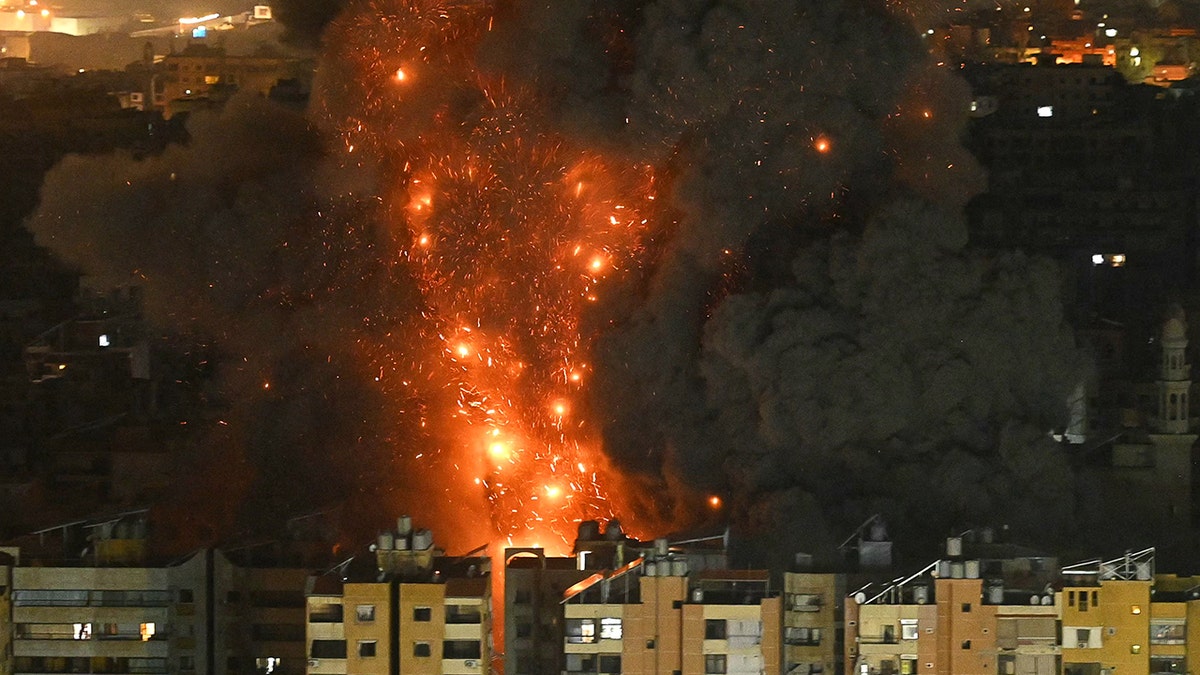
“The Lebanese government didn’t decide,” she said of the current conflict. “Hezbollah decided for the country of Lebanon.”
Ortagus said she believes Israel and Lebanon could eventually move toward a more stable relationship if Hezbollah’s influence were diminished.
US CHAMPIONS LEBANON’S RESPONSE TO HEZBOLLAH DISARMAMENT, HINTS AT ABRAHAM ACCORDS OPPORTUNITY
“I actually think the goals for the Lebanese government and the Israeli government are very similar,” she said.
“There’s not territorial claims from Israel into Lebanon,” Ortagus added. “The big dispute comes with Hezbollah.”
Her comments echoed remarks delivered earlier in the evening by Israeli Ambassador to the U.S. Yechiel Leiter, who said Israel has “no territorial claims” in Lebanon and suggested the countries could eventually move toward broader normalization if Hezbollah were removed from the equation.
CLICK HERE TO DOWNLOAD THE FOX NEWS APP
But negotiations remain complicated by continued tensions along the Israel-Lebanon border. Lebanese officials have accused Israel of violating the ceasefire through ongoing military operations and troop presence in parts of southern Lebanon, while Israeli officials argue previous agreements failed because Hezbollah was allowed to rebuild and operate near the border unchecked.
“There’s nothing stopping normalization,” Leiter said during his keynote address at the Middle East Forum. “It would all be fine, but Hezbollah is holding Lebanon hostage.”
Read the full article here