







Seattle Mayor Katie Wilson is walking back earlier comments urging consumers to boycott Starbucks, as tensions grow over Seattle’s relationship with major employers and the coffee giant expands its footprint outside Washington state.
Wilson, a democratic socialist elected last year on a progressive, labor-backed platform, told The New York Times this week that comments she made during a Starbucks worker strike last fall were not productive.
“Those comments were not productive in the sense that they caused more harm than good,” Wilson told the outlet.
The remarks marked a notable shift in tone from comments Wilson made shortly after winning Seattle’s mayoral race in November, when she joined Starbucks workers on a picket line outside the company’s former Reserve Roastery on Capitol Hill and urged residents to boycott the hometown coffee chain.
MAYOR ZOHRAN MAMDANI SAYS FIRST OF NYC’S FIVE GOVERNMENT-RUN GROCERY STORES WILL OPEN IN THE BRONX NEXT YEAR
“I am not buying Starbucks and you should not either,” Wilson said at the rally, according to KUOW. She later led protesters in chants supporting striking workers.
At the time, several unionized Starbucks workers in Seattle and other cities were striking amid stalled contract negotiations with the company.
Wilson’s comments have resurfaced in recent weeks as concerns mount among some business leaders and local officials about Seattle’s economic climate and whether increasingly progressive politics could drive employers and wealthy residents elsewhere.
JAMIE DIMON SAYS NEW YORK, OTHER CITIES FACE WORKER ‘EXODUS’ AS LAWMAKERS PUSH HIGHER TAXES
Those concerns intensified after Starbucks announced plans to establish a 2,000-employee corporate hub in Nashville, Tennessee, fueling debate over whether the company could gradually shift more operations away from Seattle, where Starbucks was founded in 1971 and still maintains its global headquarters. Tennessee has increasingly attracted corporate expansions from companies seeking lower taxes, lower operating costs and a more business-friendly regulatory environment than many West Coast cities.
Seattle City Council member Rob Saka told The New York Times he was “gravely concerned” about the potential implications for the city.
“This is real,” Saka told the outlet.
Saka’s concerns mark a notable shift from his tone following Wilson’s election victory, when he praised the mayor’s “energy” and said voters were calling for “change and a renewed focus on affordability.”
MAMDANI MEETS JAMIE DIMON AS WALL STREET OUTREACH INTENSIFIES AMID TAX BACKLASH
Former Starbucks CEO Howard Schultz also weighed in earlier this month in a Wall Street Journal op-ed criticizing Seattle’s political leadership and warning the city risks alienating businesses that helped fuel its economic rise.
“Seattle’s mayor, Katie Wilson, has chosen to cast business as a foil rather than a partner,” Schultz wrote. “Her socialist rhetoric vilifies employers, even while she continues to rely on them for revenue.”
Schultz argued Washington state’s economic success was built on entrepreneurship, innovation and business growth, adding that the ecosystem is now “fractured.”
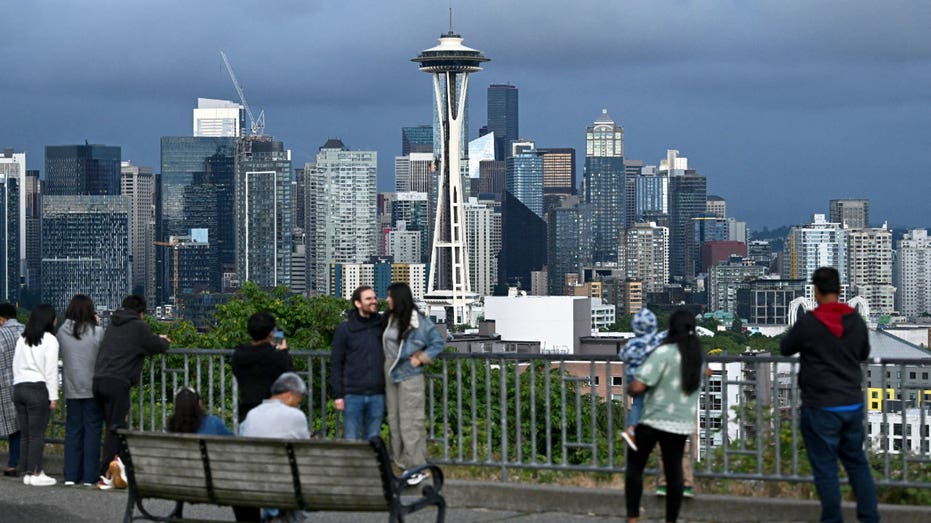
The debate comes as Seattle and Washington state grapple with rising housing costs, affordability concerns and tax policy disputes. Earlier this spring, Washington lawmakers approved a new 9.9% tax on certain personal income above $1 million, a measure critics have described as the state’s first income tax, while Wilson recently drew criticism for remarks dismissing concerns that wealthy residents could leave the state.
CALIFORNIA BUSINESS OWNERS ‘WORKING FOR PEANUTS’ AS COSTS, RECORD GAS PRICES AND REGULATIONS DEVOUR PROFITS
“I think the claims that millionaires are going to leave our state are super overblown,” Wilson said during a Seattle University forum last month. “And the ones that leave? Like, bye.”
Wilson has since indicated she is trying to strike a more balanced tone toward Seattle’s corporate community.
The mayor told The New York Times she now understands her comments will be closely scrutinized for signs of hostility toward businesses and said she hopes to maintain “a multidimensional relationship” with companies like Starbucks.
“I want them here,” Wilson said of Starbucks, “and I believe they want to be here.”
Starbucks has framed its Nashville expansion as part of a broader growth strategy rather than a departure from Seattle. In a letter to employees cited by The New York Times, Starbucks chief partner officer Sara Kelly described the Tennessee expansion as “a complement to our global and North America presence in Seattle.” Starbucks has also continued restructuring portions of its Seattle-based workforce, including reported layoffs tied to its technology division earlier this month.
CLICK HERE TO GET FOX BUSINESS ON THE GO
Fox Business reached out to Starbucks and the Seattle mayor’s office for comment.
Fox News Digital’s Peter Pinedo contributed to this report.
Read the full article here