





May is a good month for prepper families.
The garden is calling. Storm season is starting in many parts of the country. Kids are outside more. Family schedules begin shifting toward summer. That makes this a natural time to teach children how to stay steady, useful, and alert.
Parents carry a real responsibility here. Children need truth. They need safety habits. They need practice. They also need peace in the home. A child who grows up hearing constant fear will carry that fear into every situation. A child who grows up with calm routines, clear instructions, and meaningful family duties will usually stand firmer when trouble comes.
Courage begins there.

Children Learn Courage From the Home
A child’s first lesson about danger usually comes from the adults around him.
He watches his father’s face during a thunderstorm. He hears his mother’s voice when the power flickers. He notices whether the adults in the house become sharp, frantic, and confused, or whether they get focused and move with purpose.
That is why family preparedness should be built around order.
Children do well when they know that Mom and Dad have thought ahead. They do well when the family has a place to go during a storm, a flashlight in the same drawer every time, and a few basic rules everyone understands.
That kind of home gives a child something solid to stand on.
Christian families have another advantage. They can place preparedness where it belongs. It is not a life of fear. It is stewardship. It is care for the household. It is one more way of saying, “We will do our duty, trust God, and stay steady.”
Talk About Danger in Plain Words
Children need honest language they can carry.
You can tell them that storms happen. Power outages happen. People sometimes make bad choices. Families prepare because preparation helps us stay calm and helps us protect one another.
That is enough.
A child does not need endless adult talk about collapse, crime waves, or every ugly thing in the news. Parents should filter that burden. Give children the part they can use.
Tell them what to do if they hear a weather alert. Tell them where to go if they get separated in a store. Tell them who to call if there is an emergency. Tell them which neighbors are safe to go to.
Useful truth strengthens a child.
Too much dark detail weighs him down.
Responsibility Builds Real Bravery
The strongest way to build courage in children is to give them small jobs that matter.
Responsibility changes the way a child sees himself. He stops feeling like the smallest person in the room waiting for adults to fix everything. He begins to understand that he can help.
That is important in prepper homes.
A small child can carry the flashlight to the storm-safe room. He can help fill water bottles before a family outing. He can keep a pair of shoes near the back door in case the family needs to move quickly.
A school-age child can help weed the garden, check the family batteries, restock the first aid kit, and learn where the emergency contact numbers are written down.
A teenager can monitor weather updates, help younger siblings during a drill, keep the vehicle kit organized, and learn practical skills like shutting off water, using basic tools, and checking supplies.
Children who are given useful work tend to grow in confidence. Confidence becomes calm. Calm becomes courage.
Use May to Teach Preparedness Naturally
May gives families a lot of chances to teach readiness without turning the house into a lecture hall.
Garden work
A garden teaches more than food production.
It teaches patience, weather awareness, daily care, and the truth that food takes work. Let children help plant beans, tomatoes, peppers, herbs, or whatever grows well where you live. Let them water, weed, and harvest when the time comes.
Those simple chores teach self-reliance in the most natural way possible.
They also teach gratitude.
Storm practice
In many parts of America, May means thunderstorms, hail, heavy rain, and tornado risk. Families should use that season well.
Pick one Saturday and walk through a short storm drill. Show the children where the safe place is. Let them carry the flashlight, weather radio, comfort blanket, or small water bottle. Sit there for one minute. Then go back to your day.
Keep the tone calm.
Repeat it again another week.
That is how habits are built.
Family walks
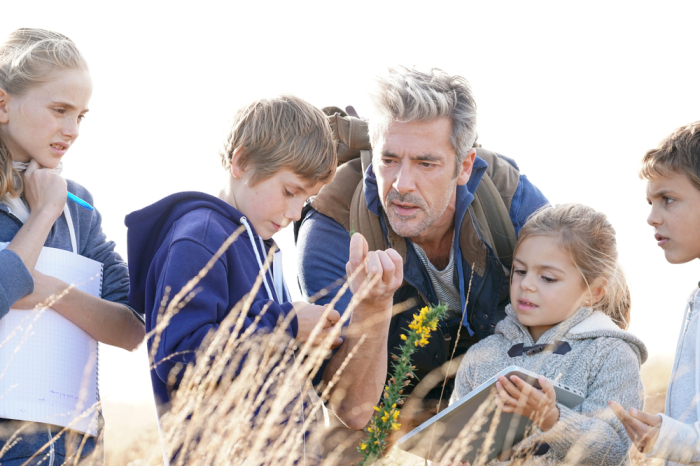
Take a walk in your neighborhood or on local trails and teach awareness as part of normal life. Point out landmarks. Show children how to notice changing weather. Teach them to look for exits, safe adults, and places to regroup if someone gets separated.
That kind of lesson feels simple, but it does real work in a child’s mind. It teaches him to pay attention without becoming jumpy.
Backyard skills night
Families can do a lot with one evening a week.
Practice using flashlights. Check batteries. Review where the first aid kit is kept. Teach children how to roll up a sleeping bag, carry a small pack, or fill a water jug without spilling it everywhere. Show them how to use a whistle. Teach them their full address and phone number.
Short hands-on lessons work far better than long speeches.
Service projects
Preparedness has a moral side. Children should see that.
Take them to help clean up a church yard, weed an elderly neighbor’s garden, or carry groceries for someone who needs a hand. Preparedness should grow into service. A capable family should become a helpful family.
That lesson gives children a healthy picture of strength.
Faith Gives Courage a Foundation
Families who follow Christ have something steady to put under all of this.
They can remind their children that courage does not mean never feeling fear. Courage means doing what is right while trusting God. That is a lesson children can understand.
A family may choose to read a short Psalm after a storm drill. They may pray before leaving for a long drive. They may thank God for rain in the garden and ask for wisdom during rough weather.
These are not dramatic acts. They are ordinary acts. That is exactly why they matter.
Ordinary faith shapes the spirit of the home.
Children remember that spirit. They remember whether their parents reached for calm or chaos. They remember whether the house had prayer in it, order in it, and useful work in it.
Over time, those things build a child who is harder to shake.
Keep Routines Steady
A prepared family does not need to make every lesson feel urgent.
Children do best with regular rhythms. A few simple routines will do more for their courage than a dozen speeches ever could.
Keep flashlights in the same place. Keep storm shoes by the same wall. Review one emergency number during supper. Let children know what day the first aid kit gets checked. Let them expect one family preparedness task each week.
A steady household trains steady children.

That is one reason chores matter so much. A child who waters the garden every evening or helps stack supplies in the pantry learns that family life includes duty. He learns that useful work belongs to normal life, not just to emergencies.
That is good training for the future.
What Parents Should Aim For
The goal is to raise children who know how to act when something does go wrong.
A courageous child may still feel afraid during a storm. He may still cling to his mother after hearing a loud noise at night. That is normal. Courage does not erase all fear. Courage helps a child move through fear without falling apart.
Parents help build that kind of child through steady leadership, useful work, family routines, and simple practice.
May is a good month to begin.
Plant the garden. Practice a storm drill. Go on a walk. Serve a neighbor. Read a Psalm before bed. Teach one new skill at the kitchen table. Keep going, little by little.
That is how courage grows in a family. Quietly. Faithfully. One ordinary day at a time.






Read the full article here