






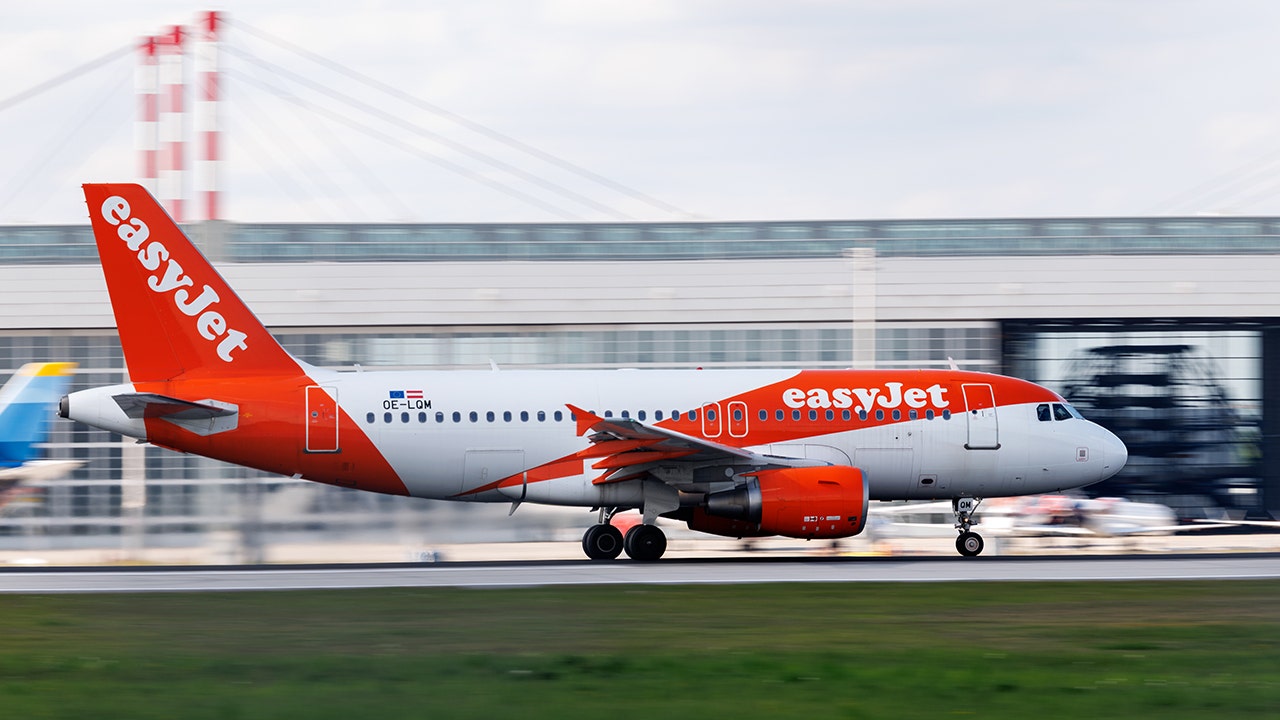
An international flight diverted to Rome this week after a passenger informed the crew that they had a power bank charging in their checked baggage, according to multiple reports.
The London-based easyJet plane was flying from Hurghada, Egypt to London’s Luton Airport on Tuesday evening when the incident happened.
“No one knew what to think,” passenger Paul Casterton told The Sun. “Suddenly, the plane changed direction and made a descent. It was hard not to fear the worst.”
He added that the passengers were relieved when they found out the issue was a power bank.
20,000 BAGS STRANDED AFTER TECHNICAL ISSUE AT MAJOR AIRPORT LEAVES TRAVELERS SCRAMBLING
“Thank goodness it wasn’t a bomb in the hold,” he said. “Word spread as to the true reason we had been diverted. It was quite an ordeal, but mostly relief that everyone was OK.”
A spokesperson for easyJet told People magazine and The Sun: “Flight EZY2618 from Hurghada to Luton on May 19 diverted to Rome Fiumicino as the crew were informed a power bank was charging in luggage.
“The captain then took the decision to divert as a precaution in line with safety regulations,” the statement continued.
RECORD MEMORIAL DAY TRAFFIC EXPECTED AS RIVERS WARNED ABOUT WORST TIMES TO TRAVEL
The spokesperson added, “The aircraft landed safely, and passengers disembarked routinely. We provided hotel accommodation and meals where available. As some customers remained in the airport, they were provided with refreshments.”
EasyJet didn’t immediately respond to Fox News Digital’s after-hours request for comment.
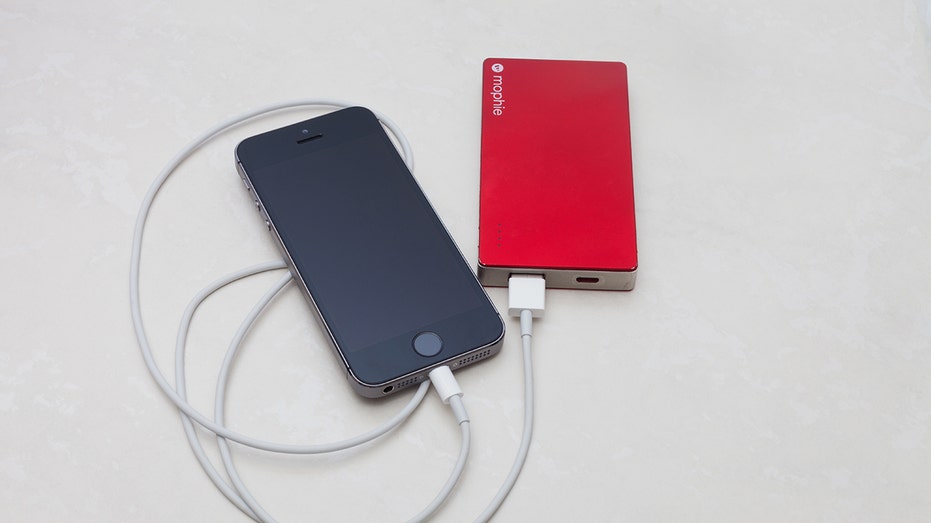
Portable chargers and lithium-ion batteries are prohibited in checked bags on all U.S. and international flights because of the risk of fire.
They are allowed in carry-on bags.
CLICK HERE TO DOWNLOAD THE FOX NEWS APP
The airline added that the “safety of its passengers and crew is easyJet’s highest priority, and easyJet operates its fleet of aircraft in strict compliance with all manufacturers’ guidelines.”
EasyJet also apologized to the passengers “for any inconvenience caused by the diversion and subsequent delay.”
Read the full article here