






One of the things I love most about the world of firearms is the collectors. The guys who dig into the most niche things and export the information to the world. These in-depth dudes might have undiagnosed autism, but we all benefit from it. Over my years in the wider gun world, I’ve come across a few quirks in the collector’s market.
The Oddities and Quirks Collectors Look For
These quirks aren’t enough to ever warrant a full article, but when you put them all together, we get something special. I’ve found five odd, often unintentional collector’s quirks that make regular guns a lot more interesting. These quirks were never intentionally done to create a collector’s market, but they most certainly have.
S&W Flat Latch
The S&W flat latch was a cylinder release latch that deviated from the S&W thumb latch. The idea was to flatten the latch to reduce snags and create a flatter profile. If you’re tossing a J-frame into your pocket, then the flat latch might have been a bit more appealing. These are most notable on the original S&W Chief’s Special guns, but they can be found on other firearms as well.
Advertisement — Continue Reading Below
I have a pre-model 30 I-frame design that features the flat latch. It seems to be exclusive to the more concealed carry-friendly pocket guns produced by S&W. It’s admittedly less ergonomic and not as easy to engage. As a pocket carry connoisseur, I’ve never had a problem with the standard latches personally.
These certainly increase the charm of the older guns. Anything that makes a gun a little different from the norm certainly falls into the quirks department.
Advertisement — Continue Reading Below
Glock Pencil Barrels
It’s interesting that the Glock series has been around long enough to be considered a classic. That certainly makes one feel old. When the Glock 17 Gen 1 hit the market, it came with what Glock collectors know as the Pencil barrel. The barrel is considerably thinner than later Glock Gen 1 models.
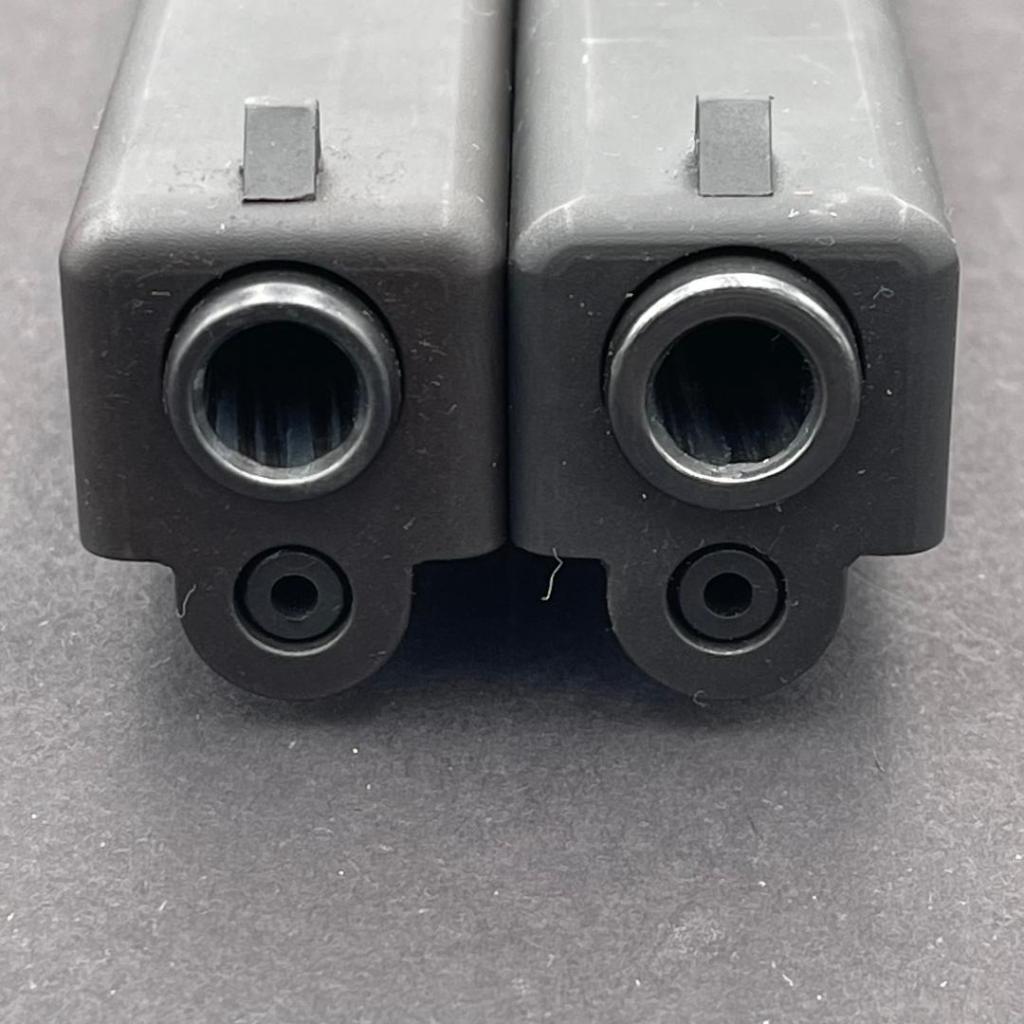
A lot of these original guns were police purchases, making them quite rare. Additionally, inside these early guns were black internals instead of silver, making them ever more collectible. A thicker barrel certainly sounds like a better choice for a duty gun, but the pencil barrels and black internals add quirks to the polymer frame. Check out this deep rundown of the Pencil barrel Glocks.
Advertisement — Continue Reading Below
Hi-Power Thumbprint Slide
The Hi-Power is a gun with a ton of history. It’s one of the few weapons used on both sides of World War II and outfitted tons of different military and police forces. It was one of the first wonder nines and has been cloned extensively. Some of the early post-war commercial models feature a distinct machining step on the front sight side of the slide.
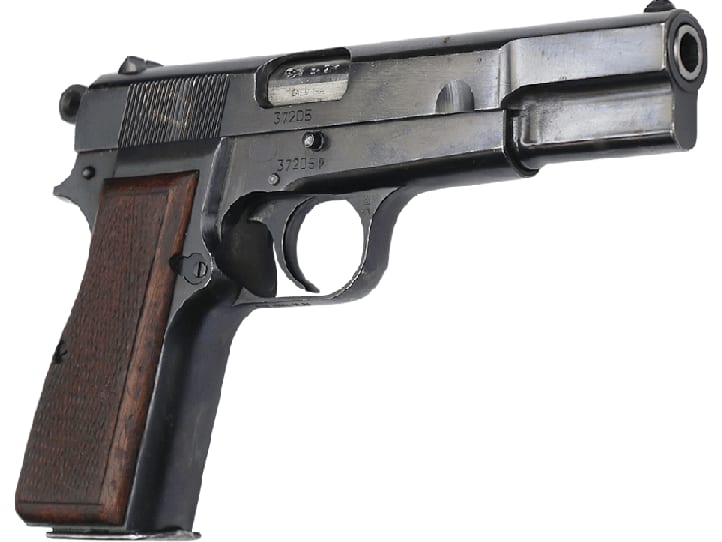
This step resembles a thumbprint, and well, we can see why Hi-Power fans call them Thumbprint slides. The thumbprint was there to align the slide correctly in the jigs during assembly. Once FN figured out an easier, faster, and cheaper way to build the guns, the step disappeared. This makes the thumbprint slides quite collectible today.
Advertisement — Continue Reading Below
Remington’s Seneca green Nylon 66
Before Glock conquered the polymer realm, Remington gave it a try with the Nylon 66. In 1959, Remington teamed up with DuPont to create a polymer suitable for firearms. The end result was the Nylon 66, a rifle made with a healthy dose of polymer. The nylon stock and action were now one piece, making a lightweight, reliable rifle that reportedly needed no lubrication.
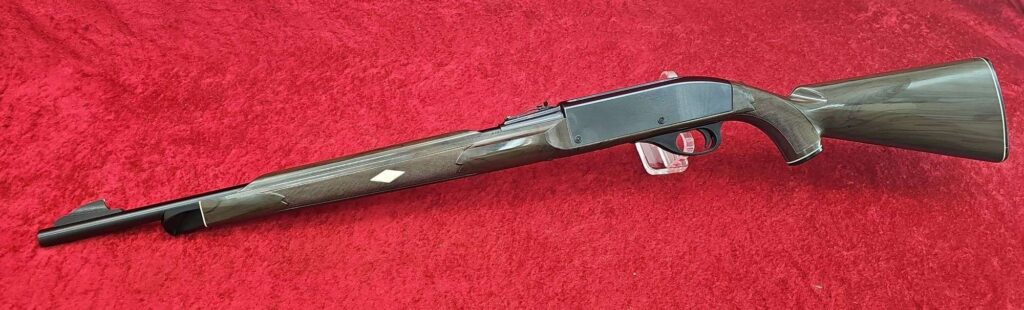
Most use a Mohawk Brown for the stock and foregrip, with the Apache model tossing in black. Along the way, Remington also produced a Seneca Green model. The Seneca green model was only produced for a few years, and at the time, it was never seen as collectible, resulting in plenty of them being beaten to hell. These days, a Seneca Green Nylon 66 is a valued collector’s item.
Advertisement — Continue Reading Below
The Model 12 Y Series
Winchester produced one of the greatest shotguns of all time, the Model 12. They literally called it the perfect repeater. Why they would go and try to change it is beyond me, but they did. Winchester’s 1964 cost-cutting measures are one of the most controversial moves in the gun world.
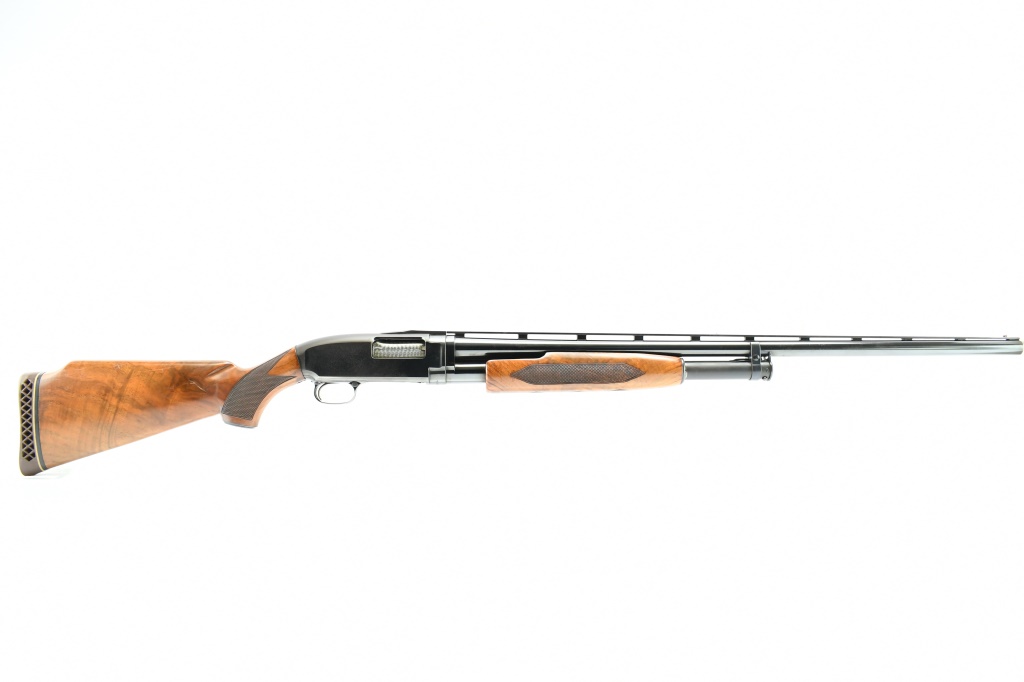
Those cost-cutting measures crept into the Model 12, giving it quirks that first made it undesirable but now make it highly desirable. In 1972, they began producing Model 12s with cast steel. They replaced the traditional forged and machine steel with a cheaper alternative. They added Y to the serial numbers to designate these cast guns.
Advertisement — Continue Reading Below
It didn’t save any costs. The amount of hand-fighting required to get cast steel up to the Model 12 standard created a more costly process. They ditched the idea and went back to forging, making the Model 12 Y series collectible today.
Bring on the Quirks
It’s odd that collectors’ guns were often never meant to be collectors’ guns. The little oddities and quirks make them something a little special. From thumbprints to messing with perfection, there are likely countless examples of small changes making a big difference for collectors.
Read the full article here