




NEWYou can now listen to Fox News articles!
As we enter the “dog days” of summer in this 250th, since our nation boldly asserted its independence, there is, as there should be, a good deal of reflection about who we are, what we truly value. As we look to the future there is perhaps no more important measure than how we educate our children so that they can be strong protectors of our country and our democracy deep into the decades to come.
It turns out that a basic truth of well-being, getting fresh air and play time, plays a pretty big part in achieving that goal. It’s simple. It’s free. It stimulates and restores learning power, and, as it turns out, many of our children are getting precious little of it.
From the earliest days of the republic, education was never intended to be merely the efficient transfer of information. Reformers like Horace Mann, whose vision helped shape modern American education, argued that schools should prepare children not only for work, but for democratic life. Even the word kindergarten — German for “children’s garden” — reflects an understanding that young minds need room to grow, explore, play, and develop.
NEBRASKA ENDS IN-STATE TUITION BENEFITS FOR ILLEGAL IMMIGRANTS UNDER DOJ DEAL
Over time, however, our definition of educational success narrowed. Beginning with A Nation at Risk in 1983 and accelerating through the accountability era of No Child Left Behind, schools came under increasing pressure to maximize instructional minutes and standardized test performance. One of the first casualties was often recess, treated as expendable time rather than an essential part of learning.
Today, modern neuroscience has confirmed what America’s earliest education reformers understood intuitively: children learn best when schools develop the whole child — not just the test taker. In many ways, the science has finally caught up with the philosophy. Earlier this summer, the American Academy of Pediatrics released its first updated policy statement on recess since 2013. Rather than simply reaffirming its earlier recommendations, the new statement reflects an explosion of research over the past decade, expanding from roughly 44 references to more than 100 studies documenting how recess supports learning, memory, executive function, social development, mental health, and physical well-being. As they concluded, recess is not a break from learning — it’s part of how children learn.
That’s because recess is not simply exercise. It’s the only part of the school day designed around child-directed play. As two middle school children explained this month in an op-ed in the Atlanta Journal-Constitution, it gives students the opportunity to “refresh themselves.” It also lets them negotiate disagreements, practice leadership, build friendships, manage stress, solve problems, and return to the classroom better able to focus and learn. These are not “soft skills.” They are the very qualities that fuel innovation, civic engagement, resilience, and collaboration, the qualities every generation of Americans needs.
In other words, the Academy’s recommendation remains clear: recess should be protected, never withheld as punishment or exchanged for more academic time seated. That conclusion has not changed since 2013. What has changed is the strength of the evidence behind it. More than a decade of new research has deepened our understanding of why recess matters — not only for children’s physical health, but for their cognitive development, emotional well-being, and long-term success.
The lesson is remarkably consistent with America’s oldest educational ideals. If the purpose of education is to develop thoughtful, resilient citizens — not simply higher test scores — then recess is not a distraction from learning, but key to it.
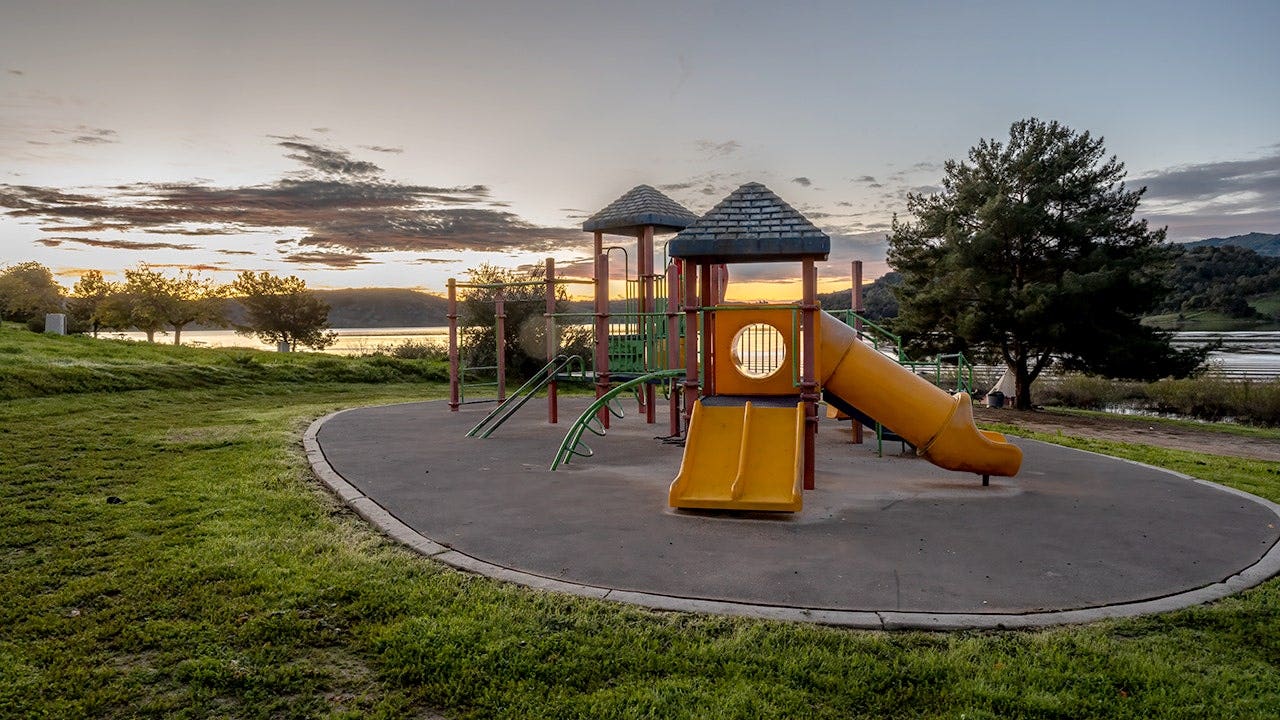
This summer, as Americans gather to celebrate our nation’s 250th birthday, we’re also celebrating examples of teamwork, perseverance, and excellence across the country — from neighborhood ballfields to championship arenas. Yet those qualities don’t begin under stadium lights, as in the stunning athleticism displayed from countries around the world in the FIFA World Cup, or the college sports teams we’ll start watching in August. They begin on playgrounds. Long before children wear a team uniform — whether as professional athletes, college athletes, or even on little league fields — they learn to cooperate, lead, compromise, recover from failure, resolve conflict, and celebrate success together during recess.
CLICK HERE FOR MORE FOX NEWS OPINION
Two hundred fifty years after our nation’s founding, only twelve states currently mandate daily recess for kids in school. But several states, including New York, are considering legislation that would change that. As we prepare for “back-to-school” in August, and as mandatory recess bills are considered in the next legislative season, the nation will be watching to see how states decide to let kids play, or not.
We have all seen the evidence that children have become more isolated, depressed and anxious in a society that has all of us glued to our screens. Protecting children’s play time, fresh air, and opportunities for social connection is one of the simplest ways we can improve their health and well-being.
CLICK HERE TO DOWNLOAD THE FOX NEWS APP
The children on today’s playgrounds will become tomorrow’s architects, engineers, scientists, physicians, diplomats, entrepreneurs, artists, teachers, military leaders, parents, and elected officials. They could even become America’s World Cup soccer stars. They will shape America’s next 250 years.
The skills they’ll need — creativity, collaboration, resilience, curiosity, leadership, empathy, and the confidence to solve problems together — will require commitment to academic rigor in the classroom, balanced with the promise of play time and fresh air to ‘refresh’ young minds and bodies in every single school day
Kelly McKenna is CEO of End Chronic Disease, former captain of Stanford’s varsity sailing team, and a three-time All-American.
Read the full article here