




The “Protect College Sports Act” is still trying to get its way through Congress, and — as you may recall from middle school civics class — if it clears both houses, it’s off to President Donald Trump’s desk.
There’s no question how he feels about this particular piece of legislation.
He’s a big fan.
TRUMP URGES CONGRESS TO PASS PROTECT COLLEGE SPORTS ACT BEFORE RECESS: ‘WE HAVE TO GET THAT DONE’
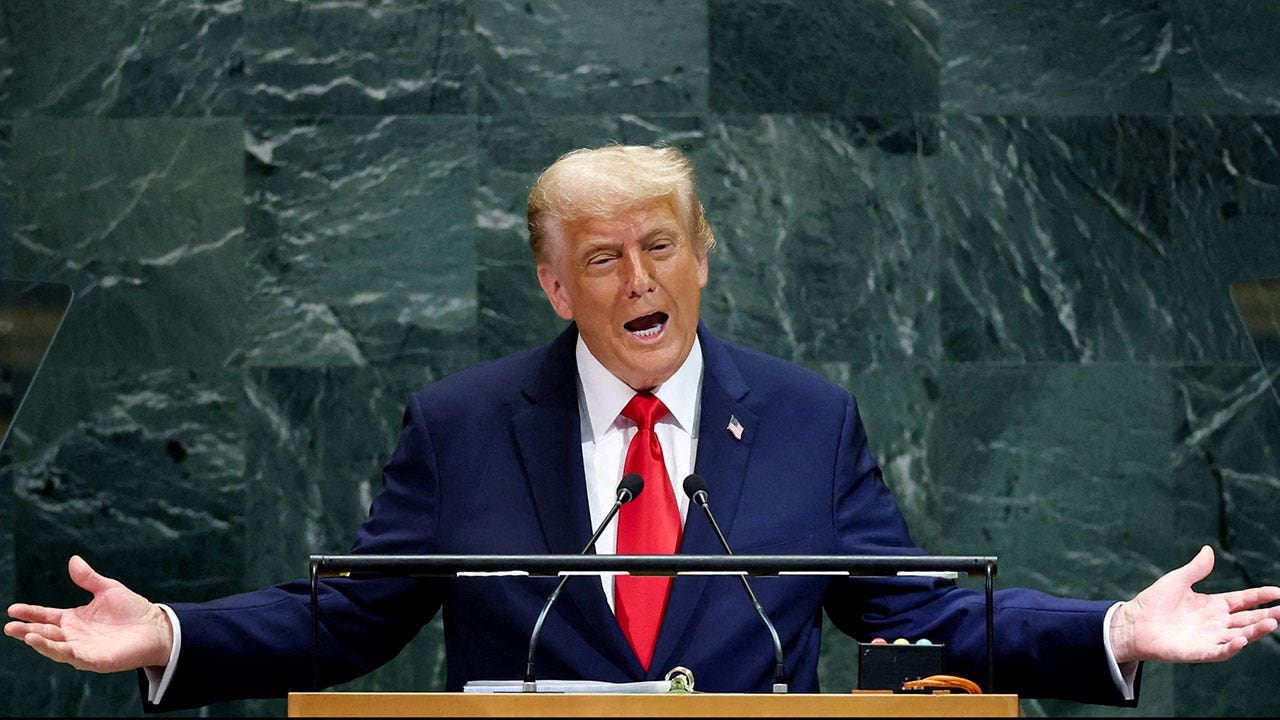
“THE PROTECT COLLEGE SPORTS ACT is a great Bill, and the Senate will hopefully stay in D.C. until it passes,” the president wrote on Truth Social. “Without this Bill, millions of young Athletes will be hurt, programs will be canceled, Women’s and Olympic Sports will go away, the fans will be robbed, and Universities will go broke.
“Nobody has done more to protect Women Athletes than me — and this Bill CLEARLY protects the Laws in 27 States protecting Women’s Sports, and banning Men from Women’s Sports,” he continued. “Anyone who tells you differently is LYING! Stop grandstanding, and try getting this done. Thank you for your attention to this matter!”
These latest comments by the president urging Congress to pass the bill come just one day after he offered similar remarks while welcoming US Olympians to the White House Rose Garden.
REPUBLICAN SENATORS FILE AMENDMENT TO STOP COLLEGE SPORTS BILL FROM OVERRIDING STATE WOMEN’S SPORTS LAWS
“I’m urging the House and the Senate to come together, bipartisan if possible, and it looks like they have done, to send the bill to my desk and I will sign it. I think we have no choice,” Trump said on Thursday. “We have to get that done. If we don’t, we’re very foolish. Nobody knows what will happen. We’re in Never-Never Land. We’re not going to let that be happening. We’re not going to let that happen to these great people and others.”
CLICK HERE TO DOWNLOAD THE FOX NEWS APP
Also on Friday, the White House released an official memo clearing up misconceptions that the Protect College Sports Act would override state laws preventing biological men from competing in women’s sports, adding that states can still legislate on the issue.
Read the full article here