



Bitcoin Bill Dudley, who advocated anti-Trump monetary policy, says new chairman has ‘undermined his credibility’
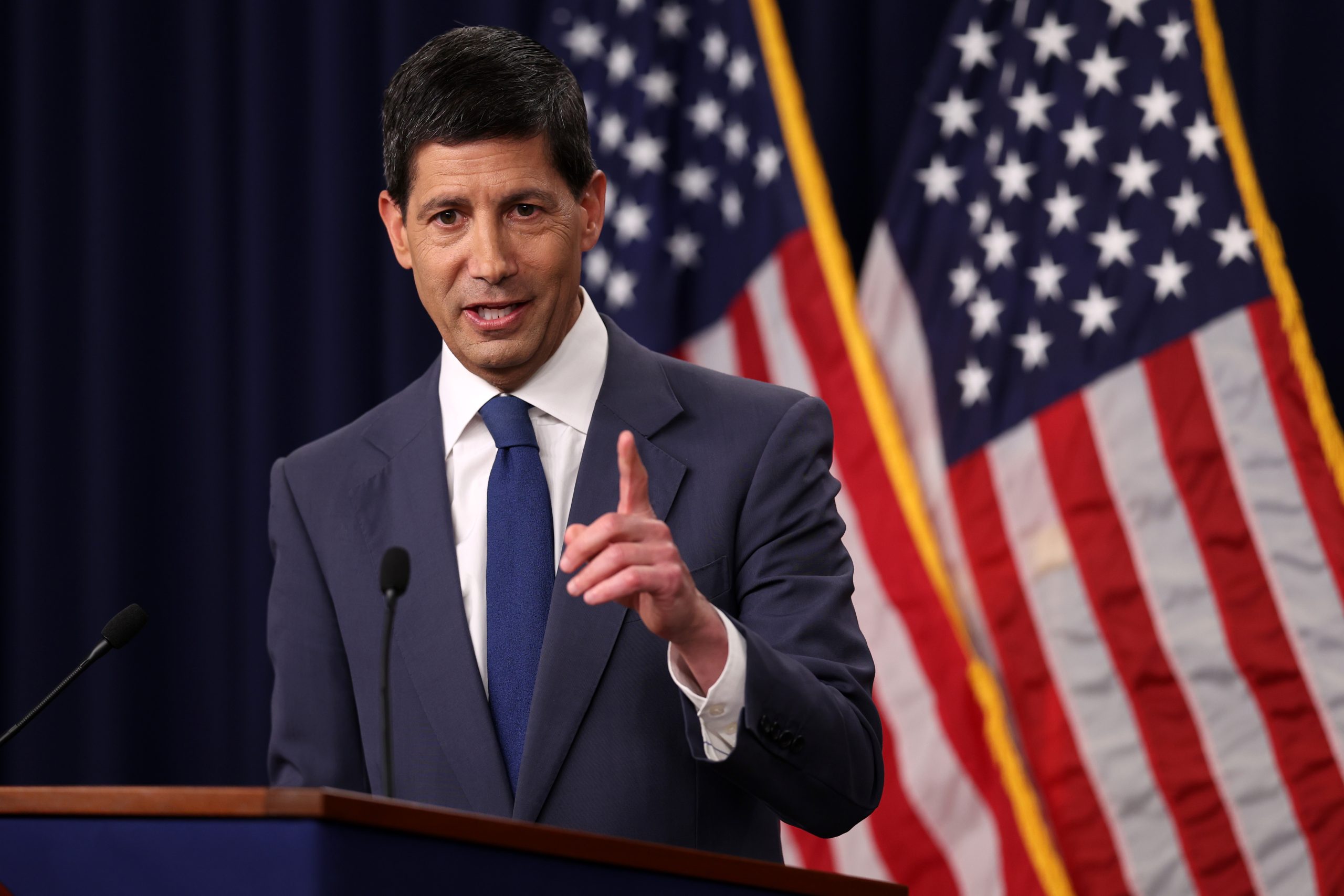
The new chairman of the Federal Reserve, Kevin Warsh, is facing his own version of the same problem that the president who appointed him encountered—an entrenched and highly partisan bureaucracy that fiercely resists change while taking itself very seriously.
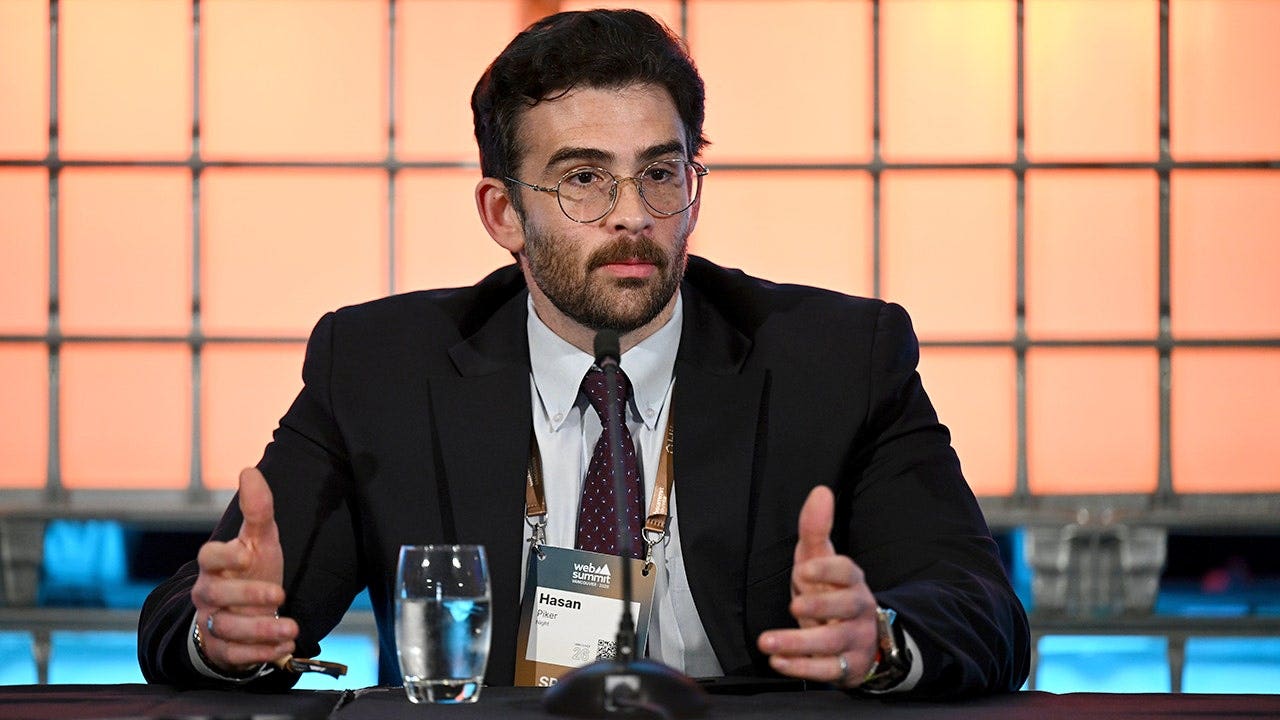
The press, academia, and former government officials are largely allied against Warsh, as they have been in a partisan way against President Trump. The most brazen example of this came in an August 11 column by Bloomberg Opinion columnist Bill Dudley, a former president of the Federal Reserve Bank of New York who now sits on an advisory council for Coinbase, a cryptocurrency trading platform.
“Warsh Has Deeper Problems Than a Rocky Start at the Fed,” is the headline over the Dudley column, which frets that Warsh “has undermined his credibility.”
This is the same Bill Dudley who undermined his own credibility, and Bloomberg’s, with a 2019 column in which he called openly for the Fed to run monetary policy in a way that prevented Trump from winning reelection. “I understand and support Fed officials’ desire to remain apolitical. But Trump’s ongoing attacks on Powell and on the institution have made that untenable,” Dudley wrote then. “Trump’s reelection arguably presents a threat to the U.S. and global economy, to the Fed’s independence and its ability to achieve its employment and inflation objectives. If the goal of monetary policy is to achieve the best long-term economic outcome, then Fed officials should consider how their decisions will affect the political outcome in 2020.”
A close second was an August 7 New York Times column by a Harvard economics professor, Gabriel Chodorow-Reich, who federal campaign finance records show donated a total of $4,500 in 2024 to Kamala Harris’s presidential campaign. “On communication, Mr. Warsh’s vow of relative silence rests on a misguided foundation and should end soon,” Professor Chodorow-Reich writes. As if over at Harvard, whose reputation has plummeted along with the rest of elite higher education amid antisemitism, plagiarism, racial discrimination, and grade inflation, they’re such experts on communication. The Times identified Chodorow-Reich as “a member of the Dallas Fed Academic Advisory Council.”
Over at the New Yorker, columnist John Cassidy reported August 3, “Kevin Warsh, the current Fed chair, has only been in office since May, but he’s already under fire—and for good reason.” Cassidy went on, “Even some ex-Fed officials, who tend to be more guarded in their public comments, voiced concerns.” In an interview with Bloomberg, James Bullard, a former president of the Federal Reserve Bank of St. Louis, described Warsh’s press conference as “a little bit rocky” and the bond market’s reaction as “nerve wracking for a central banker.” Loretta Mester, who headed the Cleveland Fed from 2014 to 2024, told the Wall Street Journal, “I want to feel comfortable that the Fed knows what it is doing. I don’t think it’s sustainable what he’s doing, in terms of not saying anything.”
These people are the Federal Reserve version of CBS News personality Scott Pelley accusing Bari Weiss of “murdering” the show 60 Minutes. They resist change at a failing institution that urgently needs change.
For an alternative perspective, you can check out the Washington Free Beacon: “New Fed Chair Has Chance to Right-Size ‘Disaster’ of Bloated Staff” or “Federal Reserve Staff Funds Democratic Party Lurch to Left.” Or “Groupthink Sets in at Powell’s Federal Reserve,” from April 2025.
Or, surprisingly enough, an August 7 piece from Mohamed El-Arian in the Financial Times. “Warsh is being misread,” the headline said. “The pushback against the Fed chair is unwarranted as he drives much-needed reform.”
“Under its previous leadership, the Fed missed its inflation target for some 60 consecutive months, communicated in a manner that was both confused and confusing, slipped in the supervision of certain regional banks, had internal compliance lapses, and committed numerous forecasting errors. Yet, in the face of all this, there was remarkably little enthusiasm for internal reform,” El-Arian writes, accusing the Fed of “complacency.”
“Despite the glaring need for reform, Warsh has received a frosty reception,” El-Arian says, explaining, “the powerful force of behavioural inertia makes sudden change unsettling.”
If Warsh is successful enough in reforming the Fed, perhaps he’ll reduce the market value of former Fed officials selling their insights into the secrets of the temple. With CBS News, Pelley has been appointed journalist in residence at the Columbia Journalism School and will be honored with the Poynter Medal for Lifetime Achievement in Journalism on November 14 at the Poynter Institute’s Bowtie Ball. As for the rear-guard opposition to Kevin Warsh, what’s the exit strategy? A prized position offering economic advice to Kamala Harris’s 2028 presidential campaign?
Read the full article here