


The lessons and limits of economic warfare
Wars rarely end the way that anyone imagined at the beginning. As dreams of brilliant lightning strikes fade, most conflicts settle into slow campaigns to grind down the enemy’s will to fight. The exhilarating illusion of quick glory passes first into despair and then grim determination to find some advantage that will finish the job. The United States and Iran are in such a struggle.
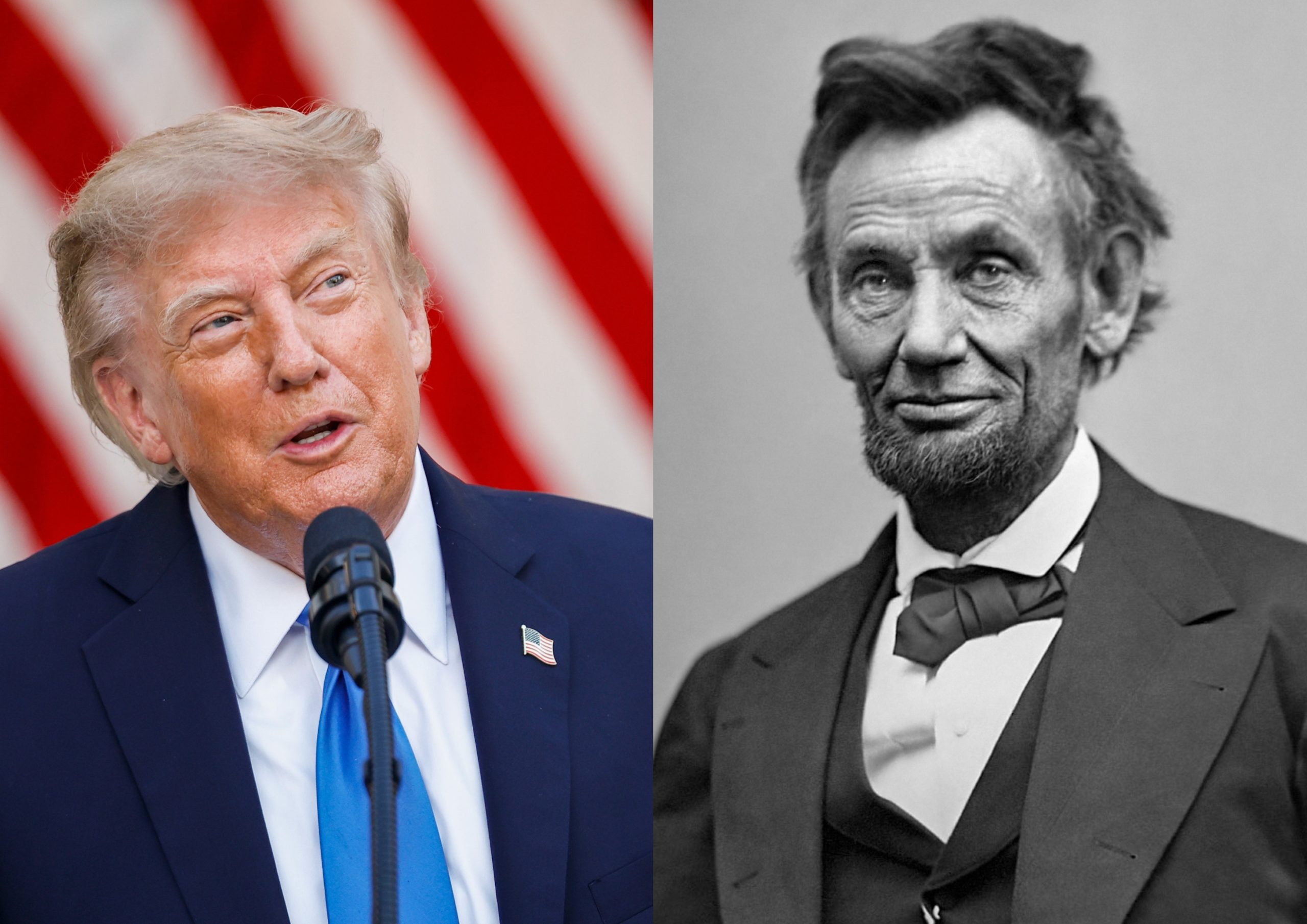
The public has grown restless with the inconclusive nature of this conflict, but Americans have been here before and prevailed. Earlier this week, Treasury Secretary Scott Bessent announced, “We are going to economically asphyxiate this regime.” Abraham Lincoln relied partly on a similar strategy, the Anaconda Plan, but he ultimately required a ground invasion to win the Civil War. Donald Trump does not want to send troops into Iran, so he may need to gin up some from elsewhere.
Dreams of early victory abounded at the start of the Civil War. When the Southern states rebelled, overconfident Union leaders convinced themselves that Johnny Reb would quail at the approach of the national army, and the rebels believed that Billy Yank would give up after a few defeats. The Union hope died at the First Battle of Bull Run, and the Confederates soon discovered that the Northerners were more determined to preserve the Union than they had realized.
Both sides commenced economic warfare in earnest. The U.S. Navy’s blockade, which took its toll after Bull Run, substantially limited the South’s ability to import needed weapons and materiel. The Southerners inadvertently helped Washington by cutting off cotton exports under the harebrained theory that this would goad the Europeans into intervening on the South’s side.
The Union adapted successfully and won. In addition to blockading some ports and seizing others, Union forces seized control of the Mississippi River and cut the Confederacy in two, fought their way into the Southern heartland, and destroyed the South’s war-making potential. The cotton embargo simply enriched cotton growers in Egypt and India.
Even so, it was a close-run thing. After years of fighting, many Northerners were ready to accept defeat, and Atlanta’s surrender came just in time to save Abraham Lincoln’s reelection bid and the Union.
Trump’s hope for a lightning victory faded early, and the MOU negotiations failed too, so Washington and Tehran are locked in a war of attrition. Both prefer to fight with barrels than with bombs. The Iranians want to limit oil shipments through the Strait of Hormuz as much as they can without provoking major U.S. bombing, and the Pentagon prefers to continue the blockade without expending more munitions. The Gulf Arabs are desperately seeking alternative routes to global markets, and the Trump administration is trying to get Venezuelan oil back online, but those moves will take years to significantly reduce Iranian leverage.
Iran is taking the most damage. The rial is plunging, Iranians are waiting in long lines for fuel, and President Masoud Pezeshkian says that trade is down 35 percent. Oil prices are still high, but the Strait is open for now. Last week, the U.S. military finished clearing sea mines from the Strait and, on Sunday, it struck a Revolutionary Guards rocket unit attempting to emplace new mines. Despite the ensuing shooting, 17 million barrels of oil passed through the Strait on Monday and another 18 million on Tuesday, which is close to the peacetime daily level of 20 million barrels.
The Iranians have not drawn in other great powers, but they are widening the war in some respects. Russia is providing some assistance. China is buying Iranian oil at steep discounts, which keeps global prices lower but is allowing Iran to hold on longer. Chinese officials say Beijing will take “all necessary measures to firmly safeguard its own rights and interests” regarding oil imports. Iran’s Houthi minions in Yemen and al-Shabaab, al Qaeda’s affiliate in Somalia, are now conspiring to threaten Red Sea shipping, which would close off an alternative route for Gulf oil.
Even if Trump can keep the Red Sea open and discourage further Chinese and Russian skullduggery, the clock is ticking. The midterm elections are less than two months away, and voters despise high oil prices.
Trump is determined to prevent Iran from getting a nuclear weapon, which may require ground forces. They do not necessarily need to be American, though: a coup or a revolt could suffice.
This did not work early in the war. U.S. forces were not in position to help the January uprising, and a coup plan involving former president Mahmoud Ahmadinejad reportedly fell apart.
But desperation could trigger another uprising or convince high-ranking Iranians to defect. The Iranian regime routinely butchers protesters, so a successful revolt would require weapons, communications equipment, and other assistance from outside.
“When are the Iranian people going to rise up and fight?” Trump asked recently. Perhaps when they have the means to do so.
Read the full article here