





NEWYou can now listen to Fox News articles!
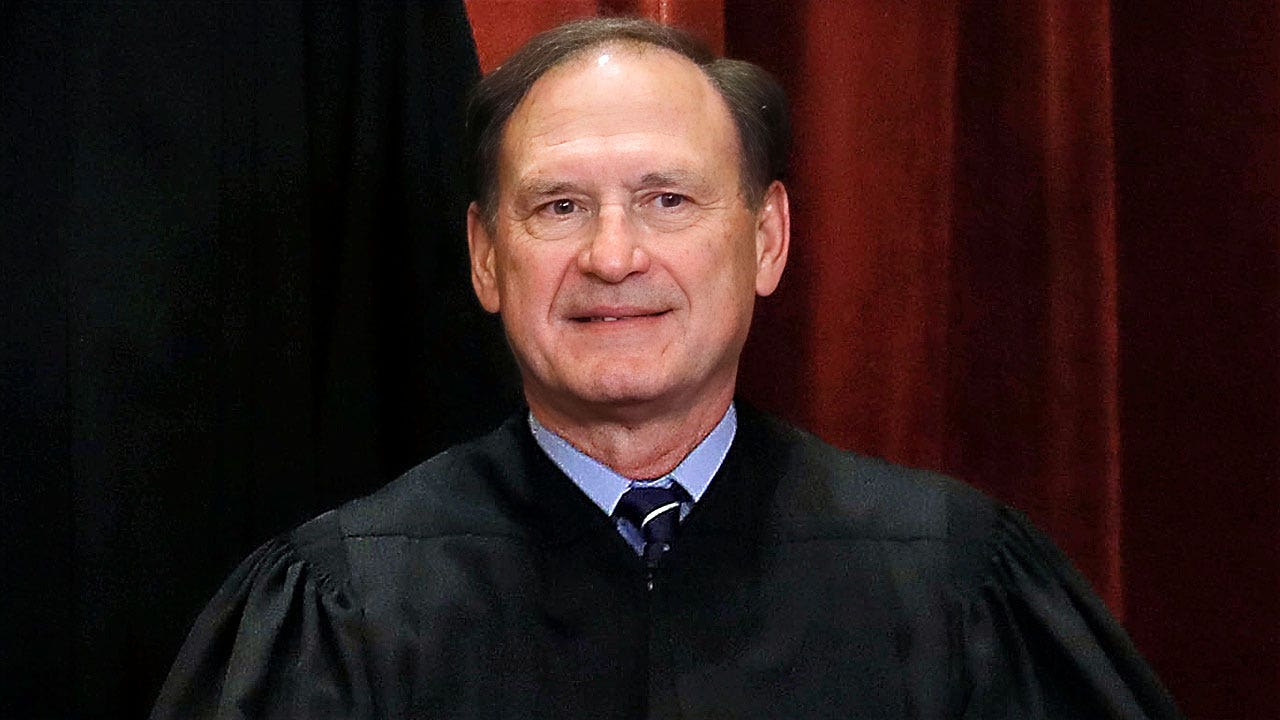
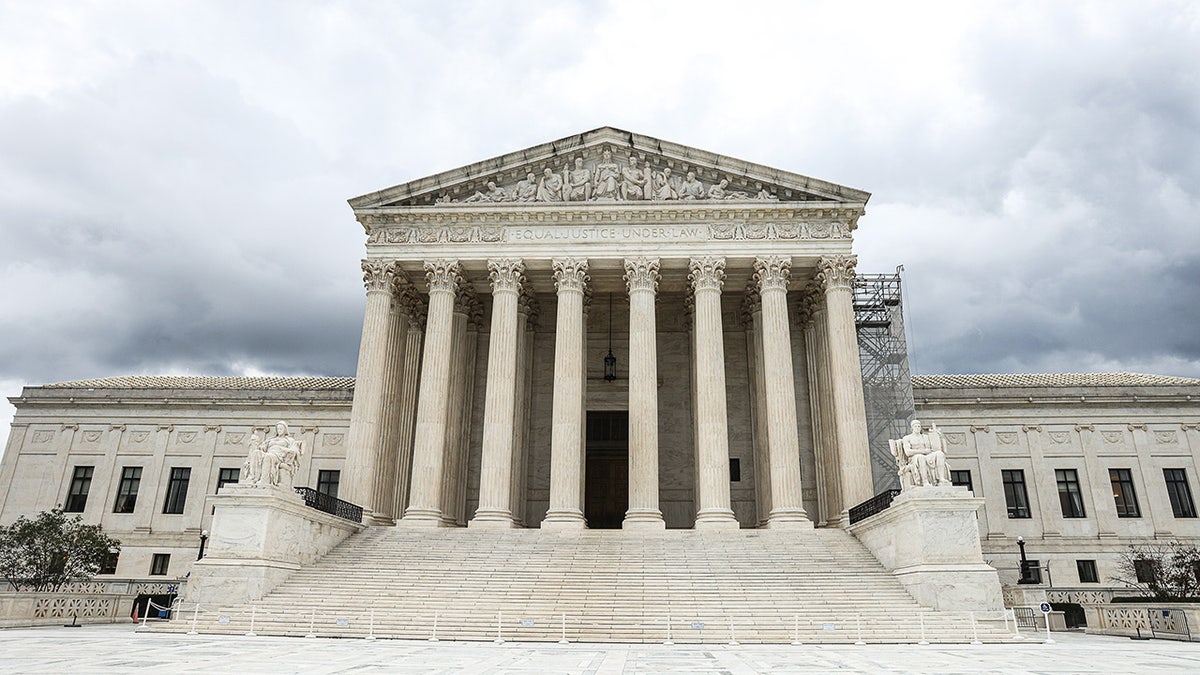
Justice Samuel Alito emphasized the literal meaning of the word “day” as the Supreme Court heard arguments Monday about whether states can legally accept late-arriving ballots that are postmarked by Election Day.
“We have lots of phrases that involve two words, the last of which, the second of which is ‘day,’ Labor Day, Memorial Day, George Washington’s birthday, Independence Day, birthday and Election Day, and they’re all particular days,” Alito, an appointee of former President George W. Bush, said.
Alito added, “If we start with that, if I have nothing more to look at than the phrase ‘Election Day,’ I think this is the day in which everything is going to take place, or almost everything.”
The justice’s remarks came after the Republican National Committee sued over a Mississippi law that allows mail ballots postmarked by Election Day to be counted if they are received five days after that day. The U.S. Court of Appeals for the 5th Circuit sided with the RNC in the case in 2024, leading Mississippi to ask the Supreme Court to weigh in.
ELECTION INTEGRITY GROUPS PRESS SUPREME COURT TO REQUIRE BALLOTS BY ELECTION DAY
Alito was among multiple conservative justices on Monday who appeared skeptical of Mississippi’s law and intent on striking it down. A decision is expected by the summer and would likely affect more than a dozen states that accept postmarked ballots after Election Day.
While some of the justices seemed persuaded that Election Day should be viewed as a single and final day in an election cycle, Chief Justice John Roberts, a George W. Bush appointee, and Justice Elena Kagan, an Obama appointee, raised concerns that if the interpretation of Election Day was strictly upheld by the court, then early voting might also be affected.
“If ‘day’ includes a period after a particular day of the election, does it include a particular day before the day of the election?” Roberts asked Mississippi Solicitor General Scott Stewart. “Or does your logic require a different consideration?”
Former U.S. Solicitor General Paul Clement, a prominent conservative lawyer, argued in support of the RNC, saying the original meaning of an election involved the “combined action” of offering up a vote and an election official receiving the vote.
RNC GETS DAY AT SUPREME COURT TO CHALLENGE LATE-ARRIVING MAIL BALLOTS
“All agree that elections for federal office have to end on the day of the election specified by Congress, and all agree that you can’t have an election unless you receive ballots, and there must be some deadline for ballot receipt,” Clement said. “Nonetheless, Mississippi insists that ballots can trickle in days or even weeks after Election Day. That position is wrong as a matter of text, precedent, history and common sense.”
The case comes as President Donald Trump has made election security a top focus. The RNC and several election integrity groups that weighed in on the case argued that the Supreme Court should ban late-arriving ballots, except for military ballots, because they sow distrust in elections.
“Today’s oral arguments in Watson v. RNC clearly show where the Supreme Court should come down: state laws that count ballots received after Election Day violate federal law, expose elections to delays, invite fraud, and fuel public doubt in the democratic process,” Jason Snead, executive director of the Honest Elections Project, said in a statement provided to Fox News Digital.
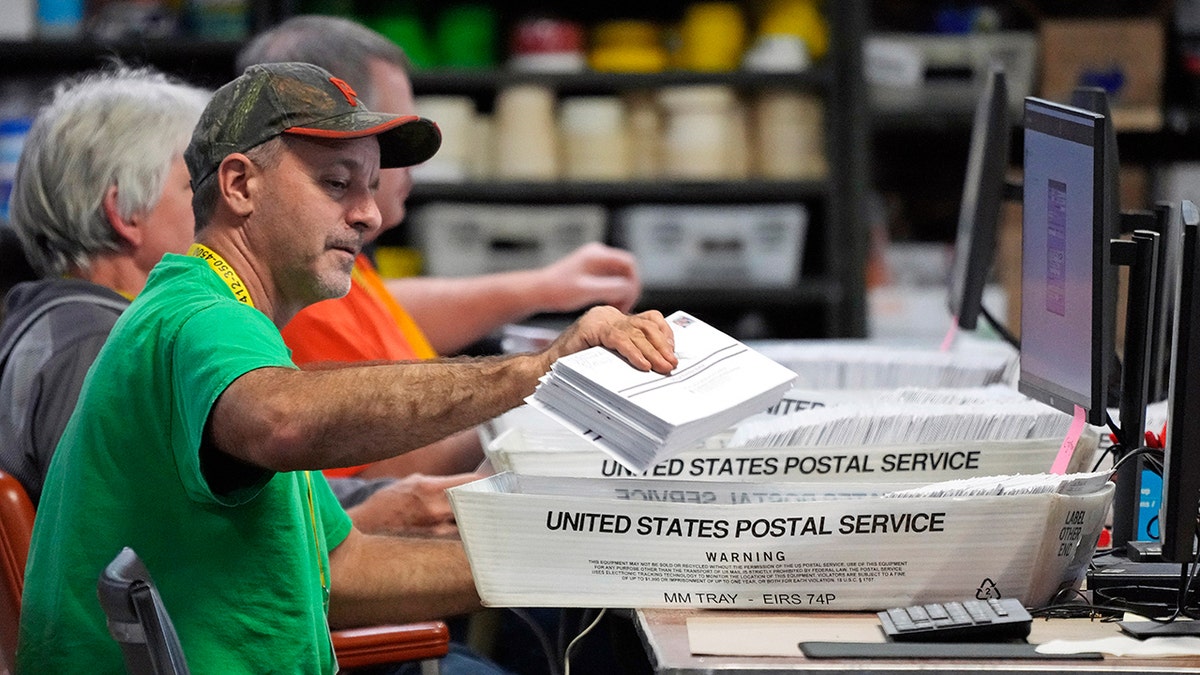
At least 14 states and Washington, D.C., currently count ballots received after Election Day if postmarked on time.
A ruling upholding the 5th Circuit could invalidate those policies and require ballots to be in election officials’ hands by the close of polls, a decision that is expected to affect the 2026 midterms. Critics say election officials could still be counting mail ballots in some states even if the ballots are all received by Election Day because of states’ individual tabulating processes.
Military and overseas ballots, which are governed by the Uniformed and Overseas Citizens Absentee Voting Act, would likely remain unaffected.
Since the 2024 midterm elections, four Republican-controlled states, Kansas, Ohio, Utah and North Dakota, have moved to require receipt by Election Day.
Fox News’ Bill Mears contributed to this report.
Read the full article here