




To the shock, horror, and dismay of onlookers around the world, the New START treaty expired on Thursday. U.N. secretary-general António Guterres called it “a grave moment for international peace and security” and lamented that, “for the first time in more than half a century, we face a world without any binding limits on the [American and Russian] strategic nuclear arsenals.” Nuclear disarmament advocates and their media supporters fear the onset of an arms race and global thermonuclear war.
Even those with the sunniest dispositions can see much cause for concern in a world filled with nuclear weapons, but New START’s expiration should not add to these fears. This development affects peace-loving people around the world less than it does the Russian government.
Idealists have yearned for a world free of nukes since shortly after “Little Boy” devastated Hiroshima, and even the most sober-minded share their concerns. Neither Henry Kissinger nor George Shultz were wild-eyed dreamers, and yet in 2007 they called for “reversing reliance on nuclear weapons … and ultimately ending them as a threat to the world.”
The ineradicable problem is that America’s enemies reply, “please, you go first.” The New START treaty, which the Obama administration negotiated and the Biden administration extended, was astonishingly one-sided. During Donald Trump’s first term, then-secretary of state Mike Pompeo observed, “only 45 percent of Russia’s nuclear arsenal is subject to numerical limits … meanwhile, that agreement restricts 92 percent of America’s arsenal.”
The new arms race began despite New START. Former STRATCOM head Gen. Anthony Cotton told Congress two years ago that “Russia continues to update its warhead production complex and is producing hundreds of warheads each year.” China is adding about 100 warheads a year to its arsenal and could have as many intercontinental nuclear missiles as the United States by 2030.
The bad guys cheat, too: Russia violated other nuclear treaties, including the Reagan-era ban on intermediate-range missiles, and it is preparing to break more treaties, including the ban on stationing nukes in space.
This is because arms control treaties do not work the way that Western arms-control experts imagine. They tend to think that caps on warheads, inspections, and other measures can reduce the threat of nuclear war and perhaps even pave the way to disarmament. Those steps can help on minor issues, but they do not alter the reason these weapons exist—great-power rivalry. The United States needed to issue a nuclear alert during the Yom Kippur War despite the SALT I arms control agreement; the Soviets invaded Afghanistan right after signing SALT II. Vladimir Putin first attacked Ukraine after signing New START, then attacked again shortly after extending it.
Equalizing the number of warheads is one of the foundations of nuclear arms treaties, but parity does not create stability. The Soviets understood that, for example, some missiles are more accurate than others, so both sides could have the same number of armed missiles and one would still be outmatched. They believed that stability could only come if they hopelessly outgunned the Americans and cowed them into submission.
Unlike in more recent treaties, Nixon and Kissinger got an agreement that worked for the United States. At the time, the American arsenal was more technologically advanced than the Soviet one, so achieving parity on deployed warheads gave Washington an advantage and prevented Moscow from overcoming it by building more missiles.
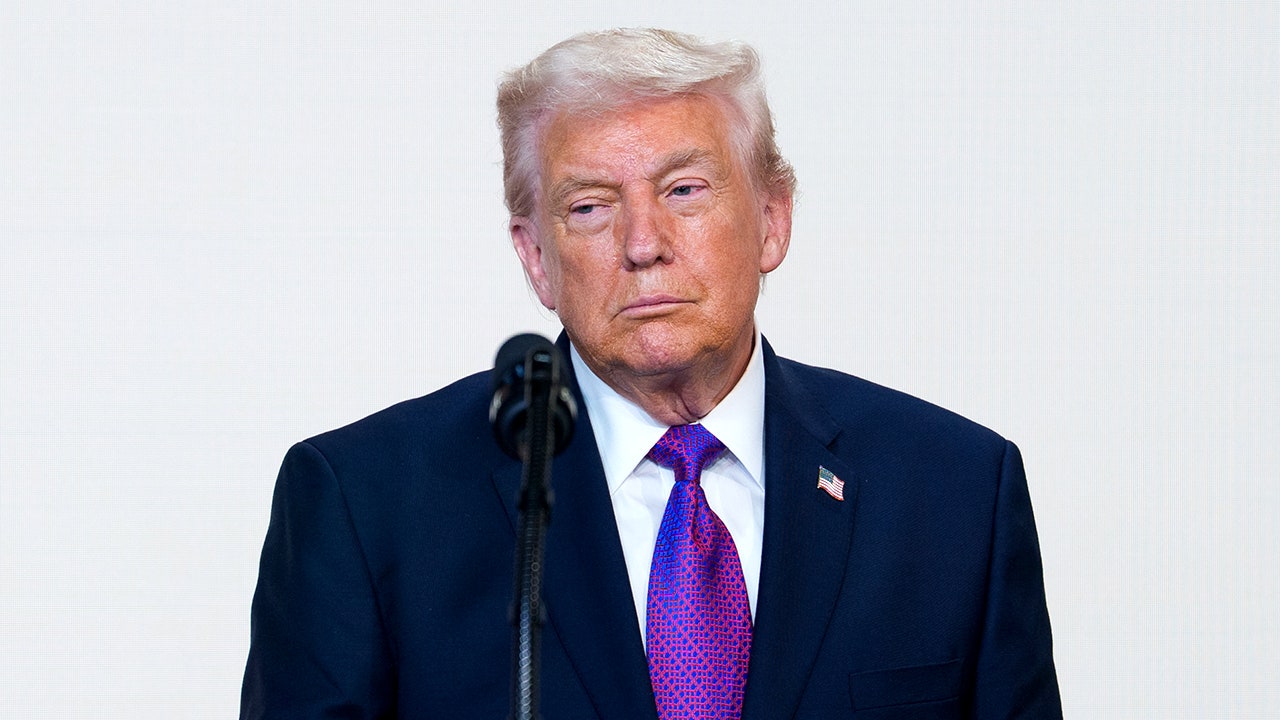
Bilateral treaties with only Russia do not make sense anymore, especially given China’s buildup, and an extension is not in the American interest. That is why Putin asked for Trump to informally extend the agreement and Trump wants a deal that binds Xi Jinping.
The biggest loser today is not world peace, but Russia. Muscovites are enchanted by the long-gone era when Russia was a world leader, and they grasp for any agreement or setting in which their country appears as an equal of the United States. The shrug with which Trump greets New START’s expiration is simply another acknowledgment that Russia is no longer the greatest threat the United States faces. Even a temporary informal extension does not restore Russia’s place in global politics.
Geopolitical parity only exists in Russia’s dreams, but Putin’s efforts to make it real still create nightmares. Putin’s favorite mercenaries launched a foolhardy attack on U.S. troops in Syria during Trump’s first term. In 2024, Russian spies plotted to place incendiary devices on planes bound for the United States. Putin’s aggression extends far beyond Ukraine.
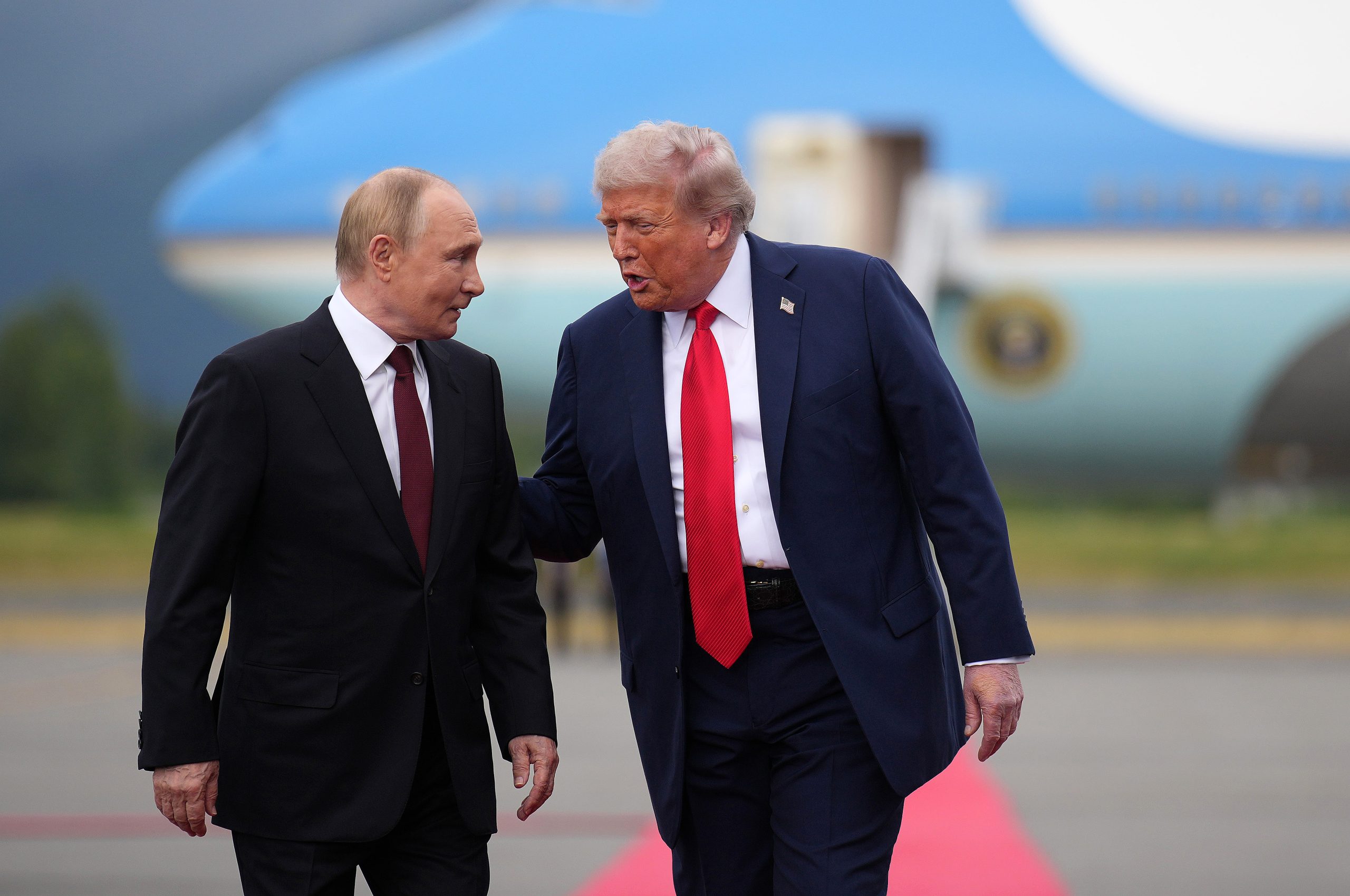
Many object to the smiles and flattering words exchanged between Washington and Moscow. Trump will sit across the table from the Russians and smile, and he wants to reach an understanding with Putin. But there’s a lot of kicking going on underneath, particularly when it comes to outdated missile treaties.
Read the full article here