



NEWYou can now listen to Fox News articles!
A select group of lawmakers received their first closed-door briefing on Capitol Hill on Monday following the Trump administration’s weekend military strikes in Venezuela and the capture of President Nicolás Maduro — a meeting that quickly divided along political lines.
The roughly two-hour meeting deep in the bowels of Congress featured top administration officials providing a classified briefing to congressional leaders and the chairs and ranking members of the armed services, intelligence and foreign relations committees.
None of the Trump officials, who included Secretary of State Marco Rubio, Attorney General Pam Bondi, CIA Director John Ratcliffe, Joint Chiefs of Staff Chair Gen. Dan “Raizin” Caine and Secretary of War Pete Hegseth, spoke after the meeting.
FETTERMAN DEFENDS TRUMP’S VENEZUELA MILITARY OPERATION AGAINST CRITICISM FROM FELLOW DEMOCRATS
But a handful of lawmakers did, and questions still lingered about what exactly would come next for U.S. involvement in the country, if other similar operations would be carried out across the globe, and who exactly was running Venezuela.
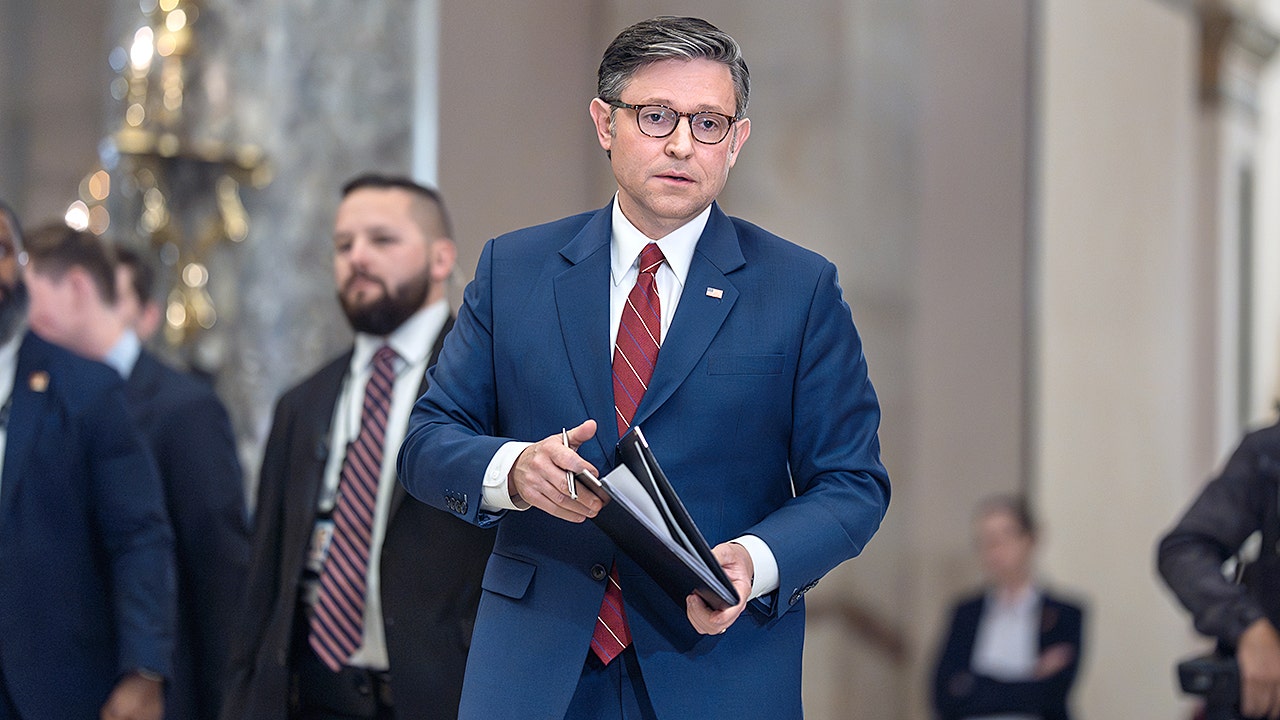
House Speaker Mike Johnson, R-La., said that there was no expectation that the U.S. would be on the ground, nor would there be any “direct involvement in any other way beyond just coercing the interim government to to get that going.”
“We are not at war,” Johnson said. “We do not have U.S. armed forces in Venezuela, and we are not occupying that country.”
“This is not a regime change,” he continued. “This is a demand for change of behavior by a regime. The interim government is stood up now, and we are hopeful that they will be able to correct their action.”
House Foreign Affairs Committee Chair Brian Mast, R-Fl., echoed Johnson, and reiterated that the operation was a “specific law enforcement function that took place that took a significant obstacle out of the way for the Venezuelan people to go chart a new future.”
NAVY SECRETARY PRAISES TRUMP ADMINISTRATION’S MADURO CAPTURE AS ‘MASTERCLASS IN PRECISION’
He didn’t expect further military action from the Trump administration in the country, either.
“These things are done before breakfast,” Mast said. “They don’t do protracted war operations.”
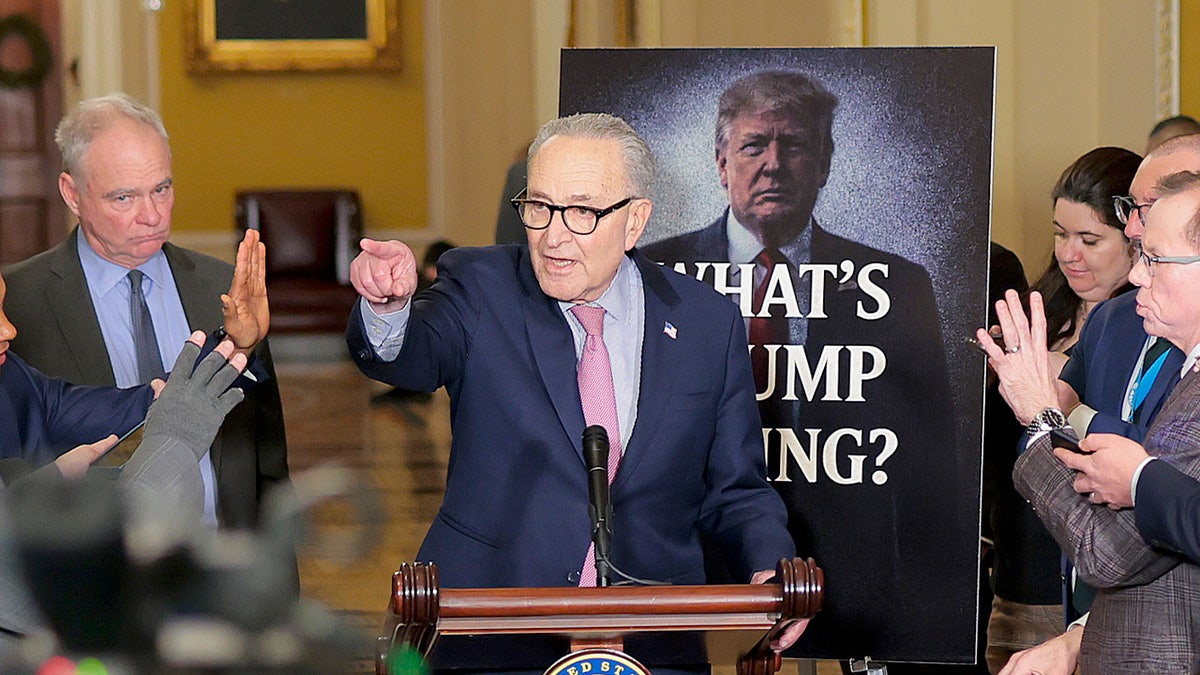
However, Senate Minority Leader Chuck Schumer, D-N.Y., countered that the lengthy meeting “posed far more questions than it ever answered.”
One growing point of contention among lawmakers is just how directly involved the U.S. will be, given that Trump said that the U.S. would govern the country until a proper transition of power happened.
Schumer said that the plan presented behind closed doors or the U.S. running Venezuela “is vague, based on wishful thinking and unsatisfying.”
“I did not receive any assurances that we would not try to do the same thing in other countries,” he said. “And in conclusion, when the United States engages in this kind of regime change and so called nation building, it always ends up hurting the United States. I left the briefing feeling that it would again.”
FOX NEWS POLITICS NEWSLETTER: 3 KEY TAKEAWAYS FROM TRUMP’S PUSH TO PUT US OIL FIRMS BACK IN VENEZUELA
Schumer, along with Sens. Tim Kaine, D-Va., Adam Schiff, D-Calif., and Rand Paul, R-Ky., plan to force a vote later in the week on a war powers resolution that, if passed, would require the administration to get congressional approval before taking further military action in Venezuela.
Senate Majority Leader John Thune, R-S.D., said that he was satisfied with the briefing and that “it was a very comprehensive discussion.”
Lawmakers will get another bite at the apple later in the week when Trump officials again return to Congress to provide a full briefing to lawmakers on Operation Absolute Resolve.
CLICK HERE TO DOWNLOAD THE FOX NEWS APP
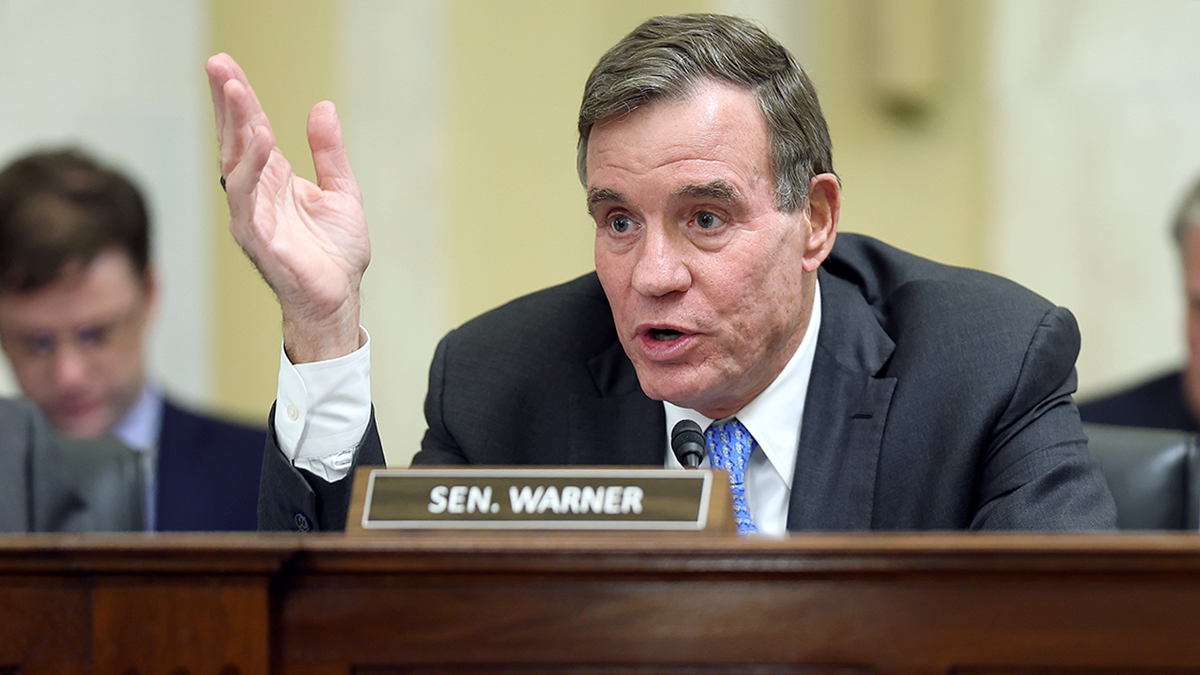
Sen. Mark Warner, D-Va., and the top-ranking Democrat on the Senate Select Committee on Intelligence, lauded the military for a “brilliant execution” of the mission, and noted that the region was better off without Maduro.
But, like Schumer, he was still searching for the next step.
“The question becomes, as policymakers, what happens the day after,” Warner said.
Read the full article here