





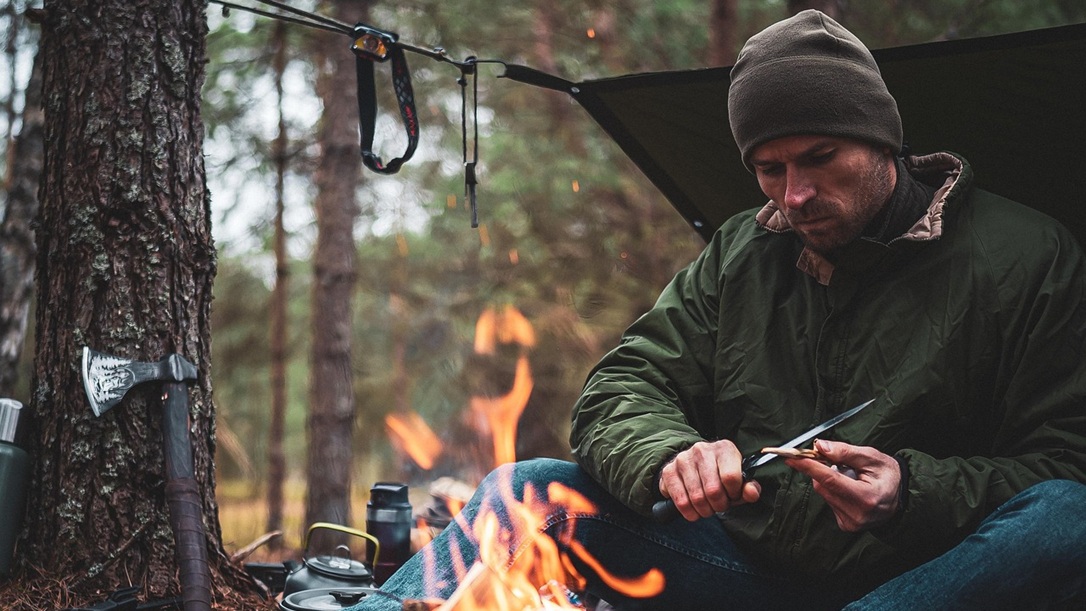
I’m sure the concept was around prior to First Blood, but it was Rambo’s hollow-handled blade that truly earned the moniker of survival knife. But what does that term really mean? What makes a knife a survival knife?
A knife is one of mankind’s oldest tools. And while it’s certainly possible to scrounge a broken bottle or some flint and knap a very sharp edge to use, buying a good-quality knife and keeping it with you is a whole lot easier.
Picking the Right Survival Knife
Advertisement — Continue Reading Below
As we dive into this discussion about survival knives, a few caveats to keep in mind. As with so many other things in the survival world, there is no one-size-fits-all solution here. These are guidelines, nothing more. You have to take into account your area of operation, which includes climate, as well as the sorts of tasks you’re most likely to need your knife to accomplish.
When you talk about knife recommendations, you’ll sometimes hear, “the best knife is the one you have with you.”
Uses of a Survival Knife
A good survival knife will be an all-purpose tool. It should be capable of handling a wide range of chores. These include:
Advertisement — Continue Reading Below
Processing firewood: you won’t use a knife to split logs, but you may need it for delimbing, removing bark, and the like. This also includes processing various types of natural tinder.
Making tools: with some practice, you can use a knife to carve and craft any number of implements in the field.
Building shelter: the knife can be used to cut branches to size for a shelter, as well as harvest pine needles, dry grass, or similar materials for expedient bedding.
Advertisement — Continue Reading Below
Food prep: whether you’re dealing with fish or small game you’ve caught, or just cutting up food from home, the knife makes the job easier.
Defense: While a knife isn’t an ideal self-defense weapon, it’s probably better than a rock.
General Considerations
Again, bearing in mind that everyone’s situation is unique and different, there are some common characteristics that are desirable in a survival knife.
Advertisement — Continue Reading Below
The ideal blade length will be somewhere around four or five inches. This is long enough to do just about anything you’ll need to do, without being awkward or clumsy. The steel should be tough enough to hold an edge for a good length of time, but not so hard that it’s difficult to hone or sharpen without specialized equipment.
Remember, a dull knife is far more dangerous to the user than a sharp one.
The survival knife’s handle should be comfortable and ergonomic. Between the handle material and the overall shape and contour, it should lock into your grip. You don’t want to have to fight with the knife to keep it in your hand.
Advertisement — Continue Reading Below
A fixed blade is preferred over a folding knife. The fixed blade is stronger and lacks moving parts that could be fouled.
The sheath is an integral part of the equation, not just an afterthought. If the knife and sheath don’t work well together, then you’ll need to find a different option. You want something that’s going to be easy and comfortable to carry. If it isn’t, then you’ll find reasons to leave it at home, defeating the purpose of owning it in the first place.
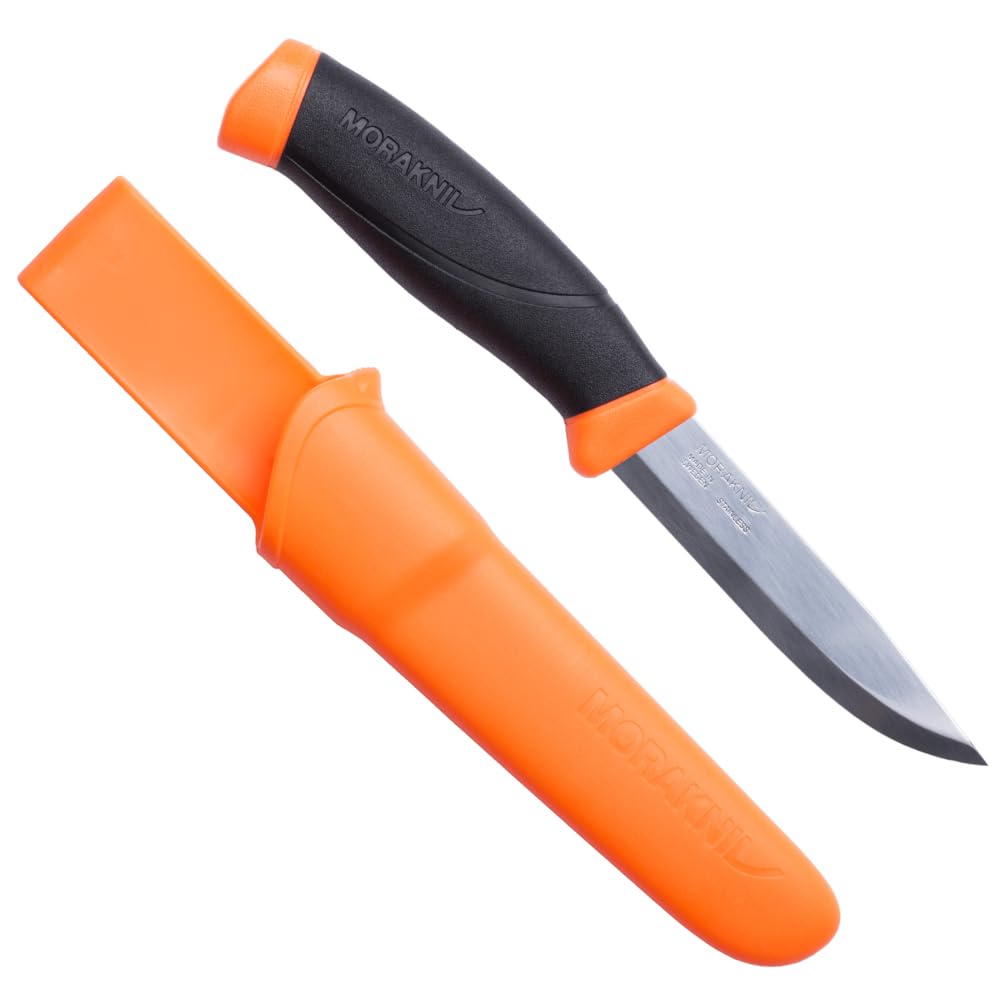
Budget is always a consideration when you’re looking for a survival knife. Few of us have unlimited funds to devote to something like that. Fortunately, you can get a pretty decent knife, such as a Mora Companion, for not a lot of money. That said, you could spend a few hundred dollars or more and get something that you’ll be able to pass down to the next generation.
Advertisement — Continue Reading Below
What You Don’t Need
A dagger isn’t a survival knife, as cool as they may be. A double-edged blade just isn’t very practical out in the field. A dagger has but one purpose, and it sure isn’t processing firewood or building a shelter.
Advertisement — Continue Reading Below
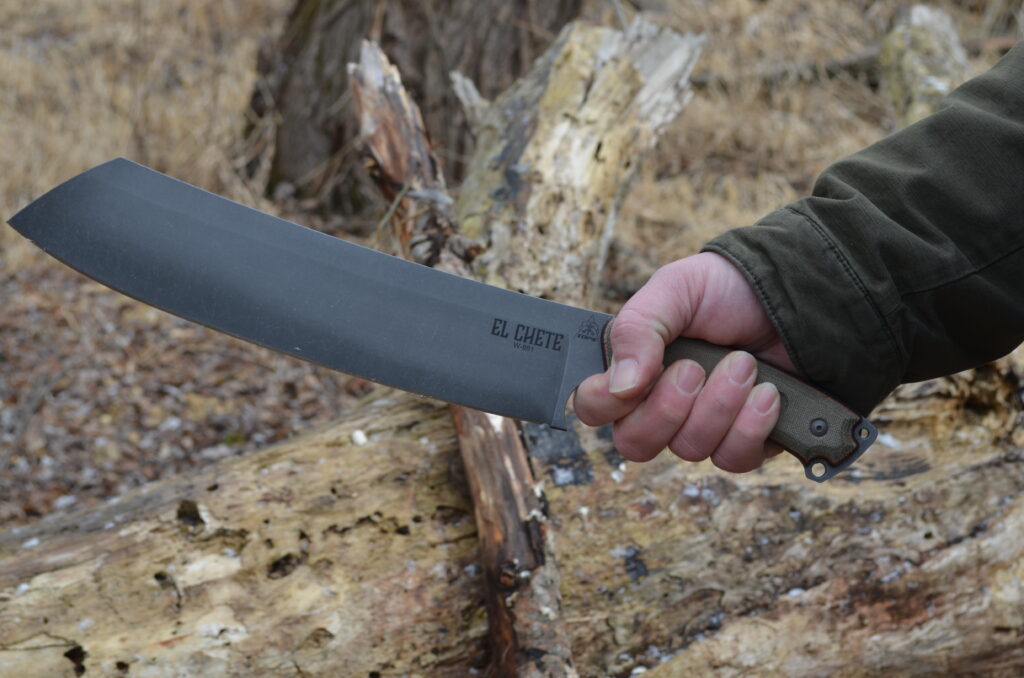
Big choppers are great for certain things, but they’re a little too large to be true survival knives. Most people would struggle trying to process some bluegill with a machete. Sure, it can be done, but there are easier ways to go about it.
A Few Recommendations
Here are just a few survival knife recommendations.
The aforementioned Mora Companion is an excellent entry-level knife. It isn’t perfect for everyone, but it’ll definitely do the job.
Advertisement — Continue Reading Below
The Ursus 45 from White River Knives is an absolute beast of a knife. It’ll easily handle just about anything you throw its way.
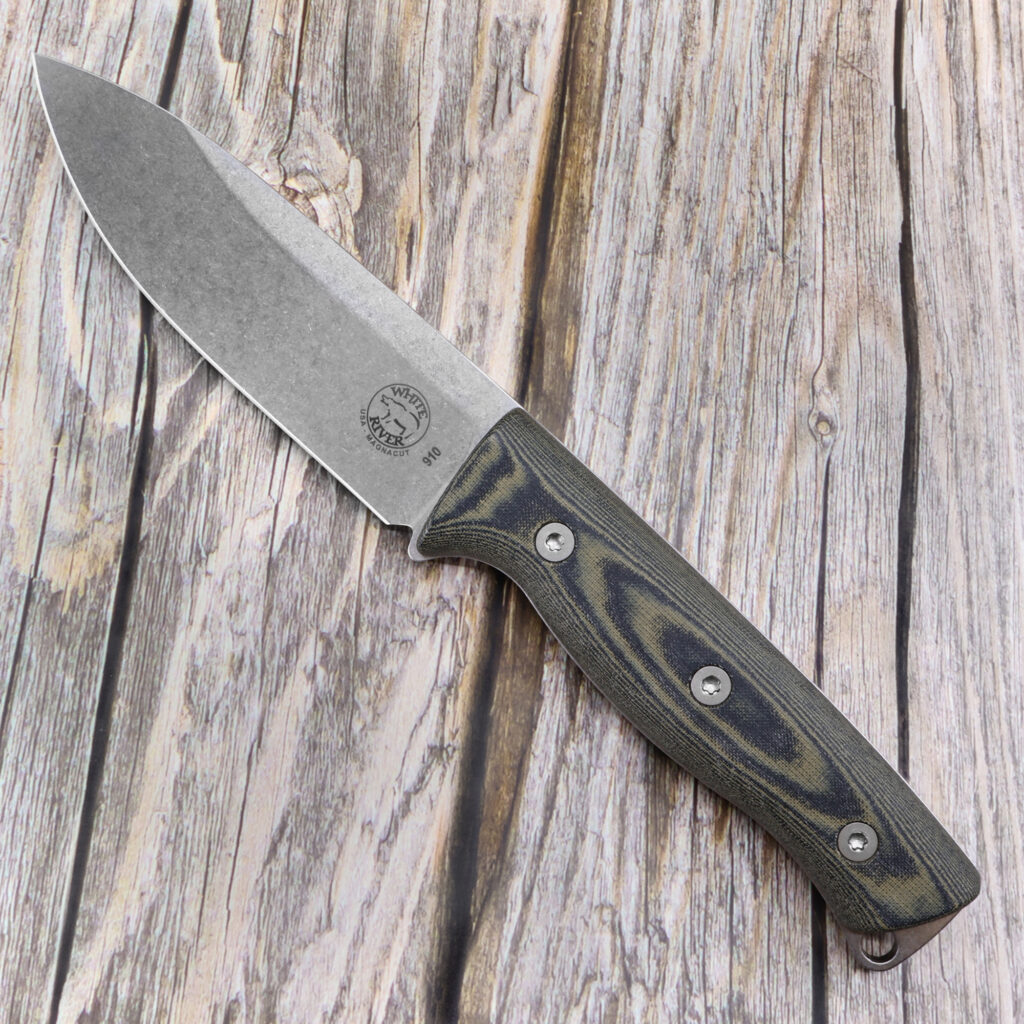
The Bravo 1 has long been a bestselling design for Bark River Knives. It was designed for real-world use and abuse.
Kershaw Knives recently released the Pack Mule. While I’m still evaluating it, thus far it has exceeded all expectations.
Read the full article here