





Two Fire-Lays For Success starts with one idea. The way you stack wood decides if your fire smokes, struggles, or roars. A fire-lay means how you arrange fuel for a campfire, cook fire, signal fire, council fire, or quick boil. Most of us learned this after plenty of frustration.
Think back to those first few fires you made. You got a flame going with a lighter, matches, a ferro rod, or some other method. Then panic hit. You rushed around, grabbing sticks, leaves, and downed limbs straight off the damp ground. The flame flared, smoked, and sagged into a miserable smolder. I went through that cycle many times. These two fire-lays exist so you can skip that phase and build smart from the start.
Siberian Fire-Lay
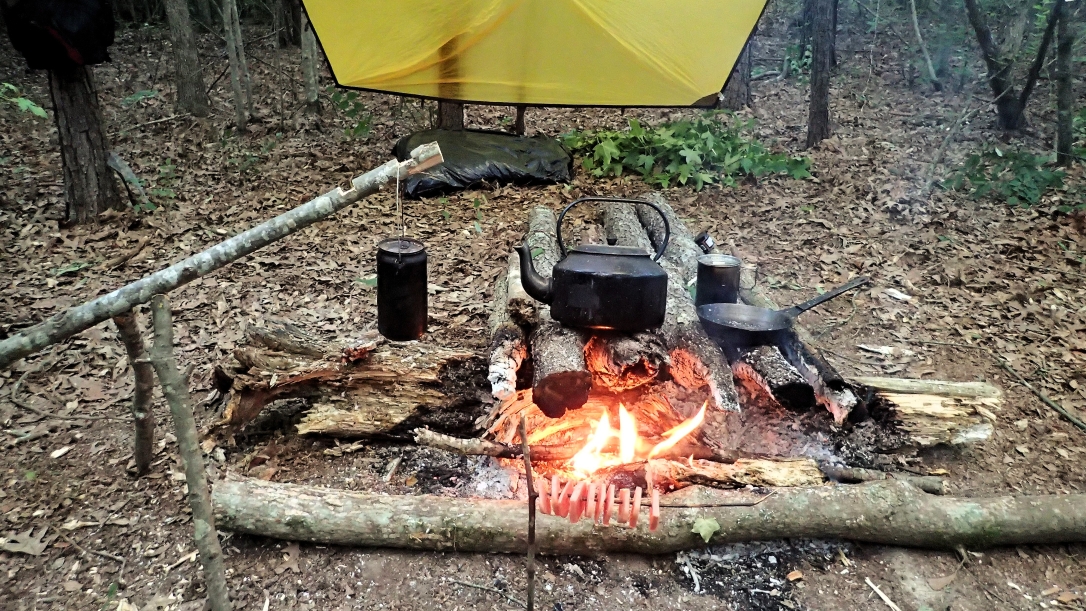
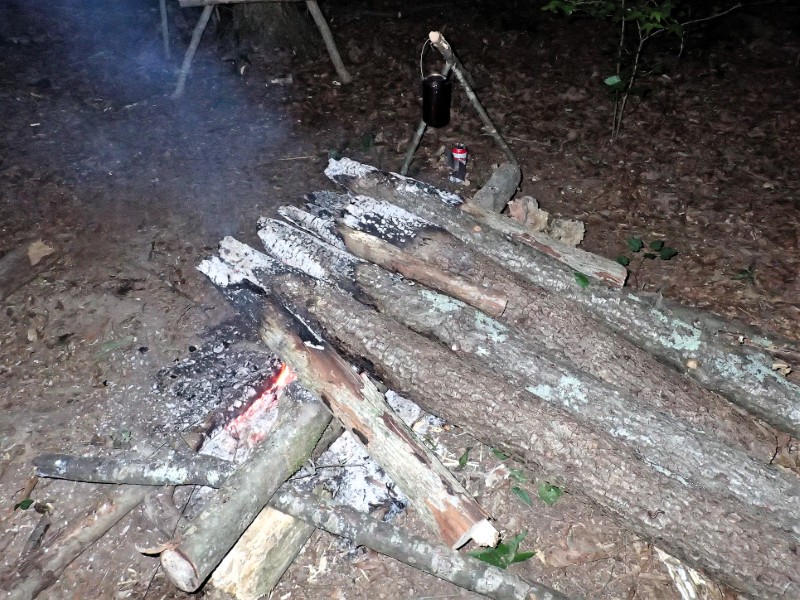
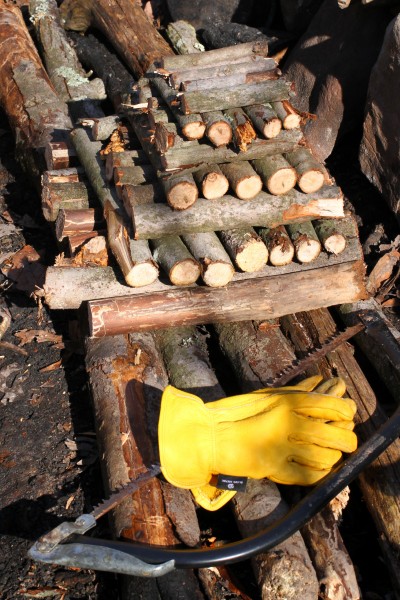
The Siberian fire-lay shines in cold country. It throws heat forward and runs long. It takes effort, but it pays you back all night. Start with one thick base log. Cut five or six heavy logs as long and stout as you can handle. Lay them so they stick out past the base log by a couple of feet. Build your fire right in front of the base, under those overhanging logs.
Advertisement — Continue Reading Below
That layout gives you several key advantages. The overhang shields your first flame from rain and snow. As the top logs catch, they feed the fire and slowly join the coal bed. You can nudge them forward from behind to keep the burn going. Those same logs form a natural rack for pots, frying pans, and kettles.
Advertisement — Continue Reading Below
In northern forests, softwood often dominates. Pick the largest diameter you can find. Hardwood always makes better fuel, but you run what the land offers. The height of the thick base log acts as a built‑in reflector, pushing heat toward you. You can stack more logs on top to extend the burn time. When you think about fire-lays, this northern pattern covers your cold‑camp needs.
Pyramid Fire-Lay
The pyramid fire-lay turns the usual fire story upside down. Instead of building from small to big and feeding it upward, you stack big to small and let the fire eat downward. I use this style when I want steady light and warmth while working around camp. It does not shine as a precise cook fire. The coals sit on top and drift as each layer drops, so the heat changes often.
Advertisement — Continue Reading Below
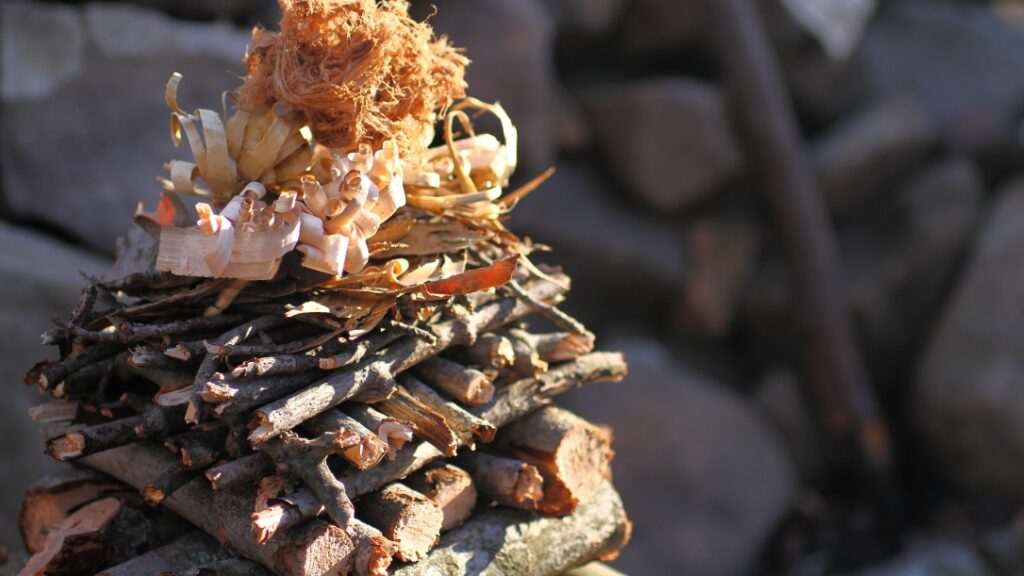
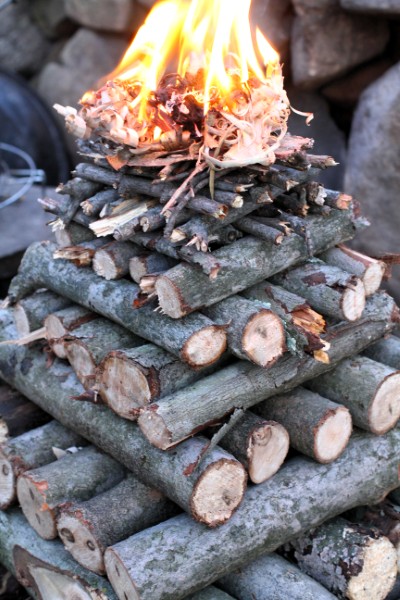
Building a pyramid fire takes patience, clean cuts, and a saw. Lay five to seven thick logs tightly together for the base. Place the next layer perpendicular to the thinner pieces. Keep stacking in that crisscross pattern. Each tier should stay uniform in length and diameter. As you gain height, use smaller fuel until you finish with kindling and tinder on top.
Advertisement — Continue Reading Below
Light the top. The fire nibbles down through each layer in turn. A well‑built pyramid fire-lay can burn for three to eight hours, depending on size.
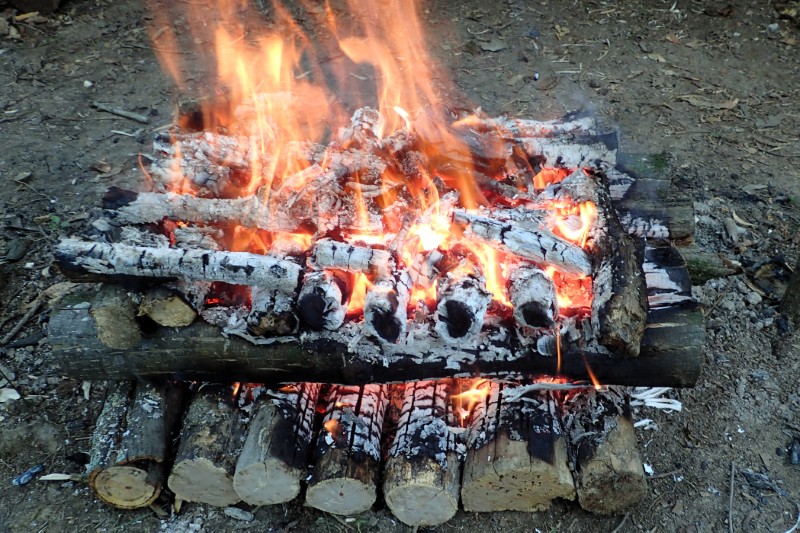
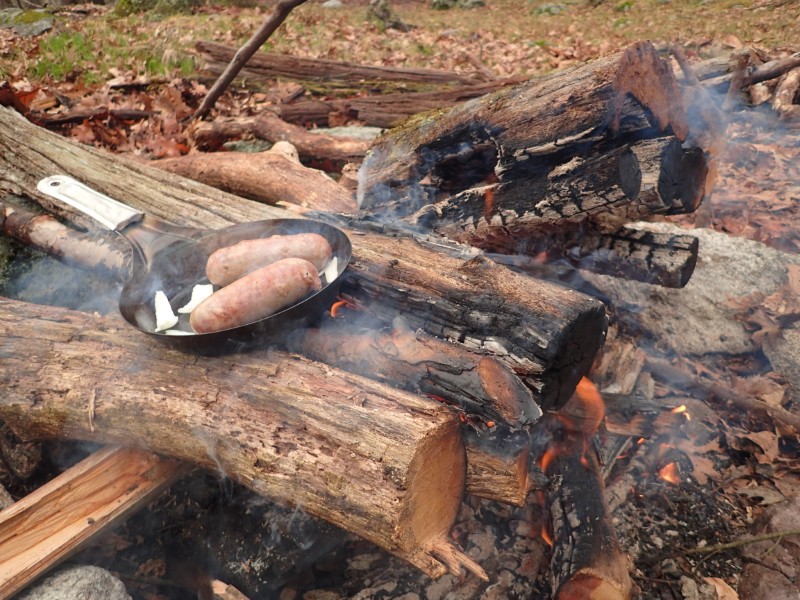
A saw helps a lot. A partner helps even more. Once burning, the pyramid gives you a reliable wall of coals for food on sticks—sausages, bacon, or kabobs on green branches pushed into the ground. Set them near the flame or glowing coals and turn as needed. For serious cooking, coals still rule. Scale the pyramid bigger and let it run for survival warmth.
Advertisement — Continue Reading Below
In the Stove Pyramid
A twig stove allows plenty of loading tricks, but I favor a small pyramid version. Pack stout pieces at the bottom. Stack the smaller sticks on top, then finish with tinder. Light from the top. The burn works down through the load. This method makes ignition easy and keeps the stove drawing well. It also mirrors the same logic behind fire-lays for camp, just in pocket size.
Fire-Lays For Success Recap
Fire-lays give you a plan and framework instead of guesswork. Start with one layout, then shift into another as needs change. Keep extra kindling and small fuel close so you can rescue a fading flame fast. Think of fire-lays as a mindset, not just a title. Build with intention, let the layout handle most of the work, and free yourself to handle other camp or survival tasks while the fire does its job.
Advertisement — Continue Reading Below
Read the full article here