




NEWYou can now listen to Fox News articles!
After years of backing the legalization of marijuana in the U.S., The New York Times changed course in an editorial published Tuesday.
In the piece, entitled “It’s Time for America to Admit That It Has a Marijuana Problem,” the editorial board stated that the U.S. “has recently gone too far in accepting and even promoting its use.”
This is a stark departure from the publication’s longtime support of making marijuana mainstream. In a 2014 editorial, the Times argued the federal ban on the drug should be repealed and the decision should be left up to the individual states.
MARIJUANA COMPOUND MAY HELP PREVENT DEMENTIA WHEN PAIRED WITH COMMON DRUG
“Prohibition has proved to be a costly failure, with harsh consequences for millions of Americans,” the 2014 piece stated. “The criminalization of marijuana has been a boon for illegal drug markets and has disproportionately burdened minority communities.”
Now, however, the Times is acknowledging that many of its predictions were wrong — and that marijuana’s legalization has led to more problems than anticipated, chiefly that its use is far more widespread.
A 2024 survey from Carnegie Mellon found that approximately 18 million Americans used marijuana daily or near-daily — a “a deeply disturbing number,” according to Dr. Marc Siegel, Fox News senior medical analyst.
By comparison, 14.7 million people are daily or near-daily drinkers.
Between 1992 and 2022, daily marijuana use became about 15 times more common, according to the survey, which relied on data from the National Survey on Drug Use and Health.
‘HIGH JANUARY’ FUELS CANNABIS BOOM AS EXPERTS FLAG SOME SERIOUS HEALTH DANGERS
Jonathan Caulkins, a cannabis policy researcher who led the study at Carnegie Mellon University, pointed to some trends that may have contributed to the increased use.
“Greater use of ‘new’ product forms — meaning vapes, dabs and edibles, versus joints and bongs — are fairly longstanding, and I would guess that more likely than not, they probably have continued,” he told Fox News Digital.
“Cannabis is definitely addictive … It also interferes with performance and memory.”
Different forms of cannabis create different risks, according to Caulkins. “For example, edibles are prone to people inadvertently taking more than desired because there is a delay before the effects hit,” he said.
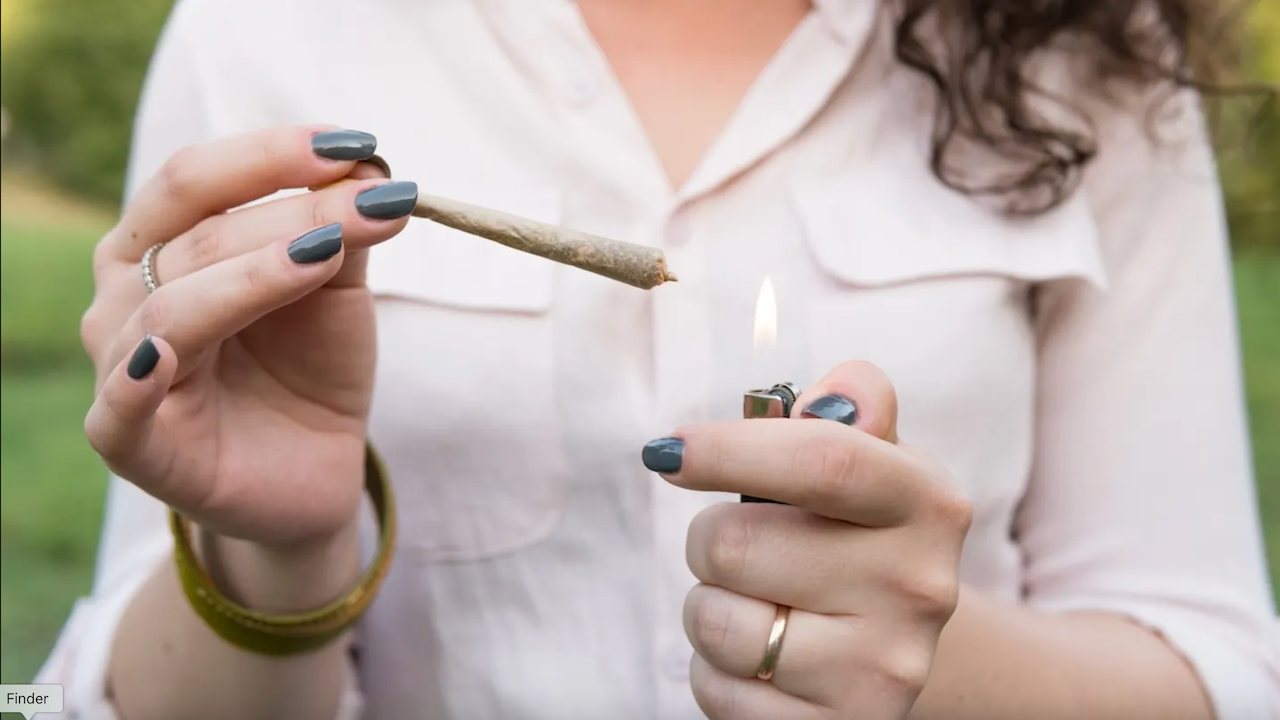
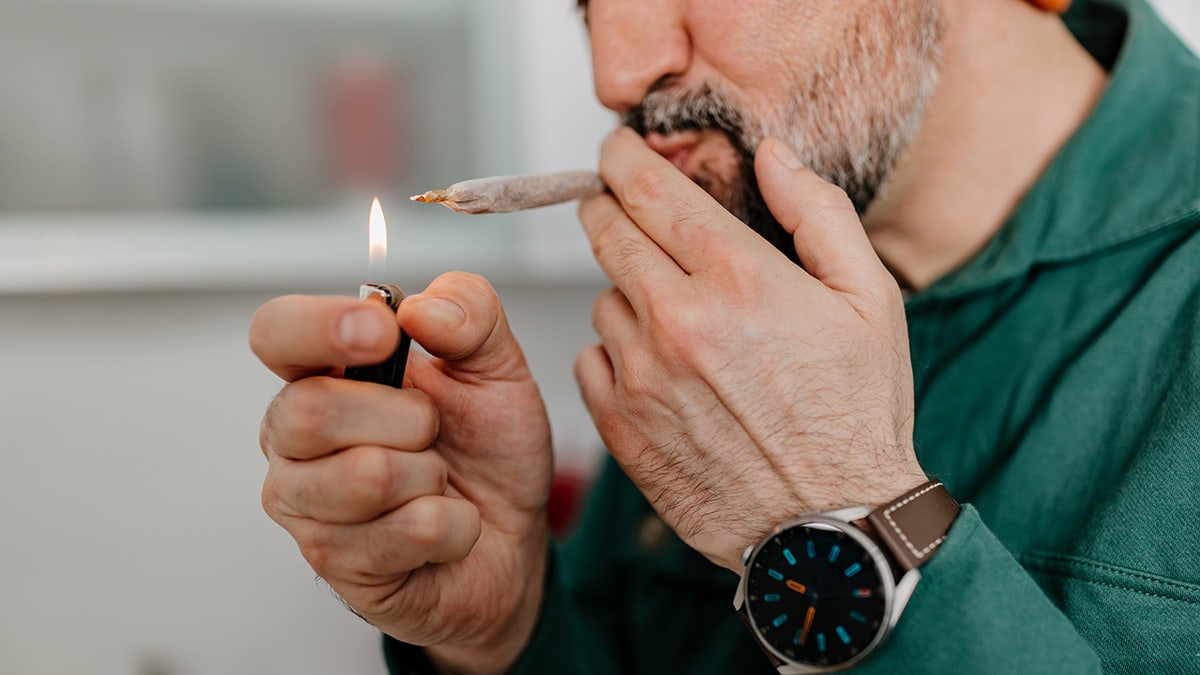
Smoking marijuana is also unhealthy, however, because cannabis smoke contains carcinogens, tar and other dangerous elements.
“That is riskier to inhale into the lungs — a fragile and sensitive organ — than the stomach, which is well-equipped to deal with contaminants,” Caulkins said.
Health risks
The spike in marijuana use has led to some serious health harms, the Times wrote.
Frequent cannabis users are much more likely to become dependent on the drug, with at least one in 10 developing an addiction, according to the U.S. Substance Abuse and Mental Health Services Administration (SAMHSA).
“Cannabis is definitely addictive — the brain is affected, leading directly to addiction,” Siegel told Fox News Digital. “It also interferes with performance and memory.”
It isn’t a question of whether legalization was a mistake or not, the doctor said, but whether it can be legalized without the potential for addiction, “which fuels negative outcomes and a zombie society.”
“At a time when the [Trump] administration is focusing on addiction, cannabis needs to be part of this,” he added.
Peer-reviewed studies have also found that cannabis users are more likely to develop paranoia and chronic psychotic disorders.
MAJOR CANNABIS STUDY FINDS LITTLE PROOF FOR POPULAR MEDICAL CLAIMS, FLAGS BIG DANGERS
Dr. Laura Gardner, a psychiatrist and director of the Psychotic Disorders Program at Silver Hill Hospital in Connecticut, said she has seen firsthand the public health effects of the rise in cannabis use after legalization.
“As a psychiatrist specializing in the treatment of psychotic and mood disorders, I have witnessed the devastating impact that heavy use of high-potency cannabis can have on a subset of vulnerable young adults who develop severe and persistent psychotic disorders,” she told Fox News Digital.
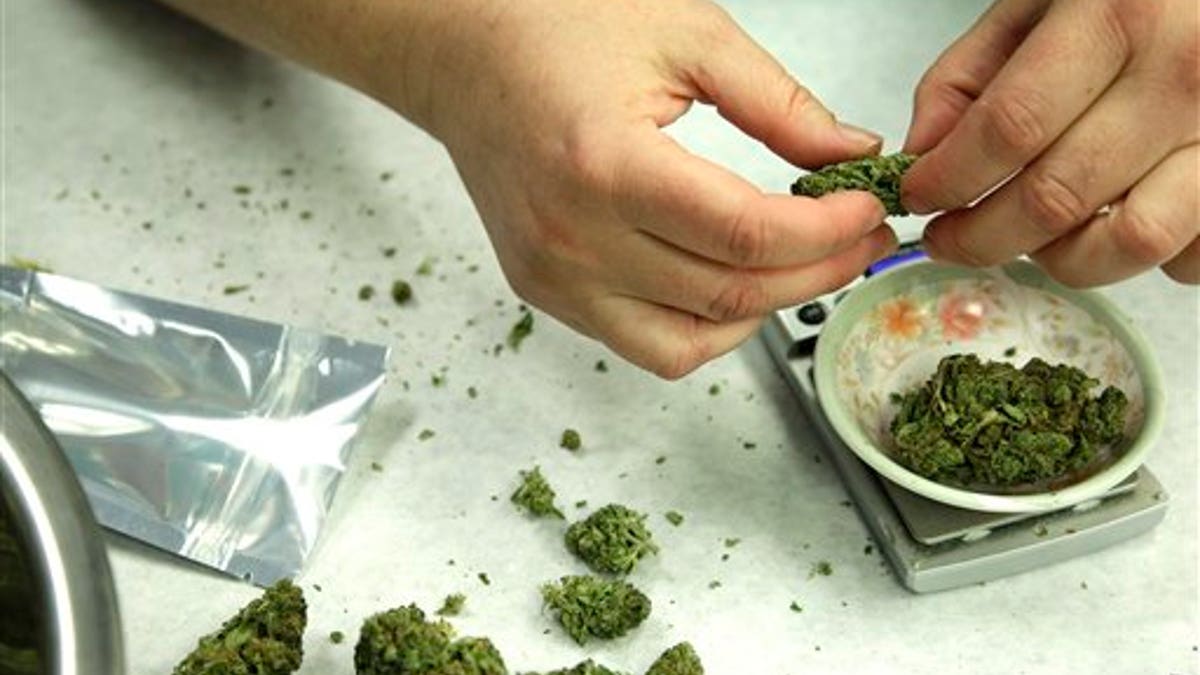
“When I treat young adults in the hospital whose lives have been completely derailed by the onset of severe psychosis associated with cannabis use, the typical response I get is outrage — ‘How did we not know about this? Why did no one warn us that this could happen?’” Gardner said.
CLICK HERE TO SIGN UP FOR OUR HEALTH NEWSLETTER
“Right now, our nation’s psychiatrists, nurses and mental health workers are trying to pick up the pieces, to help pull fragile minds back together, but it feels like too little too late at times,” she went on. “These cases may be preventable. We need to do more.”
Cannabis use disorder is also linked to an increased risk of both bipolar disorder and depression, Gardner added, constituting what she calls a “mental health crisis.”
“It is time to acknowledge reality and change course.”
Another risk is cannabinoid hyperemesis syndrome, which occurs when long-term, frequent marijuana use causes repeated bouts of severe nausea, vomiting and stomach pain. This condition affects nearly 2.8 million Americans each year, studies show.
“The unfortunate truth is that the loosening of marijuana policies — especially the decision to legalize pot without adequately regulating it — has led to worse outcomes than many Americans expected,” the Times editorial said. “It is time to acknowledge reality and change course.”
Call for change
While the editorial board did not call for marijuana to be re-criminalized, it does suggest stricter regulations.
“America should not go back to prohibition to fix these problems,” it wrote. “There is a lot of space between heavy-handed criminal prohibition and hands-off commercial legalization.”
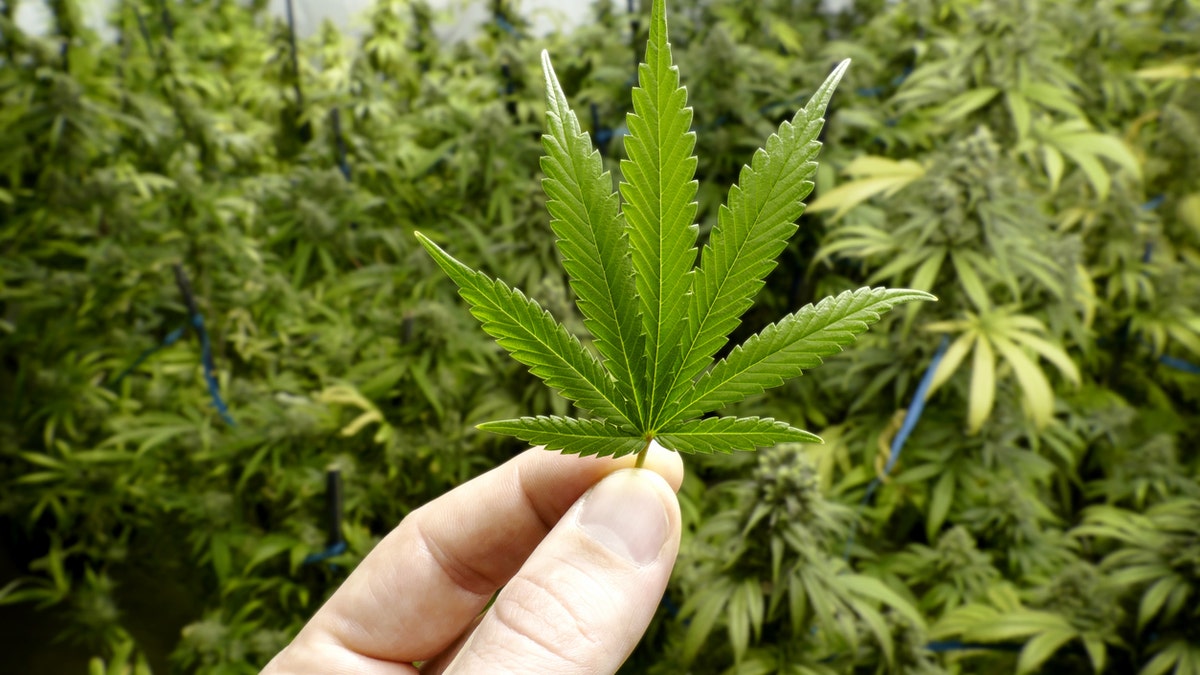
To reduce use, the editorial recommended imposing a federal tax and raising state taxes. It also calls for restrictions on the most harmful forms of marijuana.
“Today’s cannabis is far more potent than the pot that preceded legalization,” the Times said. “The appropriate response is both to make illegal any marijuana product that exceeds a THC level of 60% and to impose higher taxes on potent forms of pot.”
TEST YOURSELF WITH OUR LATEST LIFESTYLE QUIZ
The average THC concentration in U.S. cannabis rose from approximately 4% in 1995 to 12% in 2014, according to Gardner. In modern state-regulated markets, lower-potency THC now averages around 20%, with ultra-high potency concentrates reaching levels as high as 90% to 95%, she noted.

The editorial also suggested cracking down on false medical claims.
“Decades of studies on the drug have proved disappointing to its boosters … Yet many dispensaries claim, without evidence, that marijuana treats a host of medical conditions,” the board said. “The government should crack down on these outlandish claims.”
Siegel agreed that cannabis has “limited and unproven medical value.”
CLICK HERE FOR MORE HEALTH STORIES
Riana Durrett, director of the Cannabis Policy Institute at the University of Nevada, Las Vegas (UNLV), agreed with the editorial that the U.S. should not go back to cannabis prohibition and that the federal government should reform its approach.
“Today’s cannabis is far more potent than the pot that preceded legalization.”
“One aspect of cannabis legalization that is left out of the article is that the industry already pays significant taxes,” she told Fox News Digital.
“Anybody who believes cannabis legalization has been detrimental needs to focus their attention on dedicating the tax revenue toward public health efforts and campaigns.”
CLICK HERE FOR MORE HEALTH STORIES
“Ending legalization will not work — but using the tax dollars to educate the public on the realities of cannabis consumption can clear up misconceptions about health impacts.”
Read the full article here