






NEWYou can now listen to Fox News articles!
Weight loss is complex – and goes beyond counting calories, according to experts.
Dr. Jason Fung, a kidney specialist and author of the recent book “The Hunger Code,” said lasting weight loss requires a shift in how people understand and respond to hunger.
“Most of the time, we focus on eating less or what we’re eating, but that’s not always a very good approach because it doesn’t get to the root of the problem,” he told Fox News Digital.
DIABETES SURGE AMONG AMERICANS COULD BE DRIVEN BY ‘HEALTHY’ BREAKFASTS, DOCTOR WARNS
“We eat because we’re hungry, and we stop eating when we’re full,” Fung went on. “So if you think about the problem of overeating, it’s really a problem of over-hunger.”
If hunger didn’t exist, he said, it would be easier to eat the right foods or even participate in fasting – the key reason that GLP-1 medications, which suppress hunger, are so effective.
“Until you understand what hunger is – what causes it, how to deal with it – then you can’t just eat less, because if you simply eat less, your hunger will increase,” Fung said. “And then you’re always fighting with yourself.”
3 types of hunger
There are three different types of hunger: homeostatic, hedonic and conditioned hunger, Fung shared.
Homeostatic hunger, or physical hunger, is driven by hormones – the body’s natural indication that it requires food.
OPRAH WINFREY REVEALS ‘SHAME’ OF WEIGHT-LOSS DRUGS AND WHAT HAPPENED WHEN SHE QUIT
“It’s important to understand the hormonal determinants of hunger and why you eat,” he said. “And that includes things like insulin and cortisol.”
For some people, lack of sleep can increase hunger in some people, as elevated cortisol levels from stress and fatigue drive the body to eat more, the expert noted.

Hedonic hunger is related to pleasure – eating when you want to, not because you’re physically hungry.
“That’s the idea of dessert,” Fung said. “It’s a rewarding experience. It sets off the pleasure centers in the brain, releases dopamine … and it can go too far.”
CAN’T STOP THINKING ABOUT FOOD? EXPERTS POINT TO AN UNEXPECTED CAUSE
Ultraprocessed foods, including products with artificial chemicals and sweeteners, can create more hunger, making it harder to stop eating them.
Conditioned hunger is “social” hunger triggered by the environment.

“You go to the movies; you have to eat. You watch a sporting event; you have to eat,” Fung said. “You watch TV; you have to eat,” he said. “Everything is creating this conditioned hunger, and that’s the food noise a lot of people talk about.”
“You have to start thinking about the broader implications of why you’re actually eating what you’re eating,” he advised. “Why are you so hungry? That’s the really important question.”
Top tips for lasting weight loss
Fung offered three “golden rules” for long-term weight loss.
1. Avoid ultraprocessed foods
Because of the way they’re formulated, ultraprocessed foods can trigger multiple types of hunger at once, Fung said. They tend to be less filling while also increasing the body’s drive to eat, making it easier to overconsume.
CLICK HERE FOR MORE HEALTH STORIES
Feeling full has “nothing to do” with calories, he noted.
“For example, you could eat a three-egg vegetable omelet, which might be 700 or 800 calories, and be quite full after breakfast,” he said. “Or you could drink a sugary coffee plus a donut and still have the same 800 calories, but be hungry 30 minutes later.”

2. Have an adequate fasting period
Fasting is an eating pattern that alternates between periods of eating and not eating, and has been shown to support weight loss, improve metabolic health and help regulate hunger signals.
CLICK HERE TO SIGN UP FOR OUR HEALTH NEWSLETTER
Fasting can be done at any time during the day. Fung recommends setting a rule that you won’t eat during a specific period of time, such as while watching TV or after 7 p.m.
“Rules like that allow your body to digest,” he said. “You digest the calories that you ate … and use those calories and release the body fat.”
CLICK HERE TO DOWNLOAD THE FOX NEWS APP
3. Redesign your environment
Equipping yourself with the proper habits and mindset starts with shifting your social and physical surroundings, according to Fung.
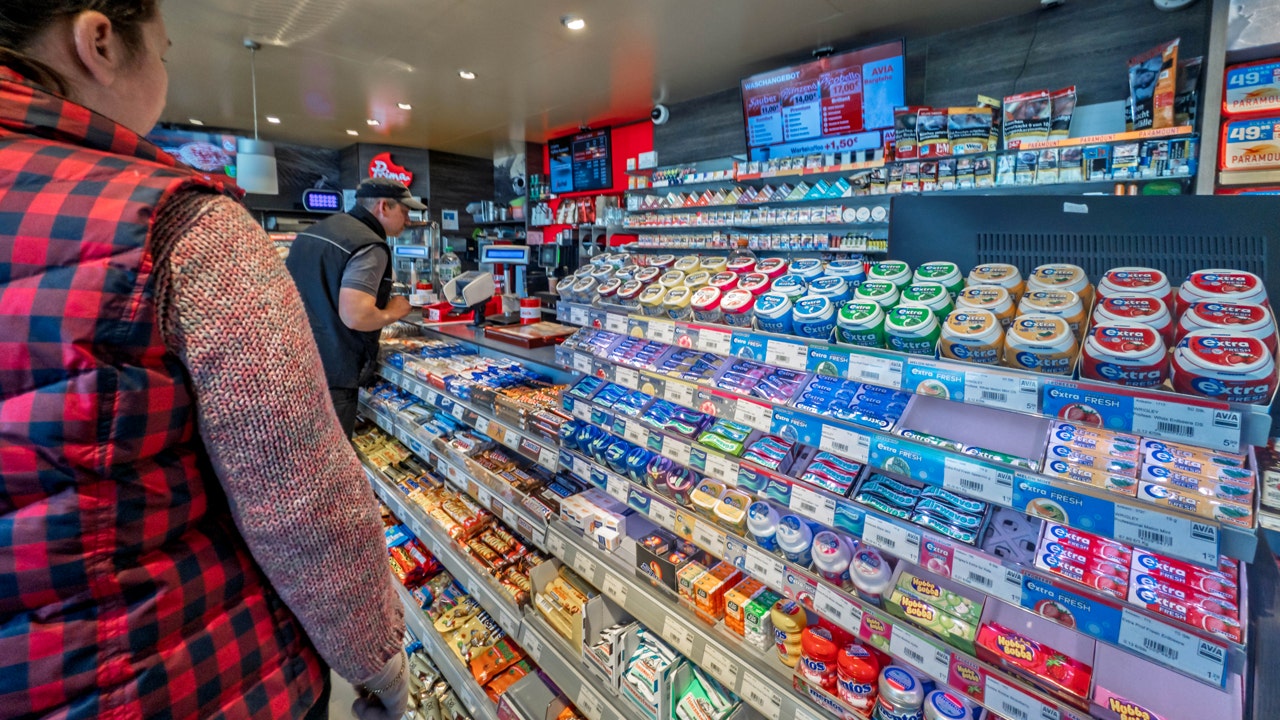
“Everywhere we go, we have all this conditioned hunger – but it’s also very easy to eat all the time,” he said. “You go to the coffee shop, but there are donuts and sandwiches.”
Recognizing these temptations and finding a workaround – such as ordering coffee ahead, so there’s no extra time spent in front of the donut case – helps to prevent overeating, he suggested.
TEST YOURSELF WITH OUR LATEST LIFESTYLE QUIZ
Another example is employees feeling inclined to grab free bagels or cookies that are provided during an office meeting, which cues hedonic and conditioned hunger.
“Now you have to figure out how to redesign that physical and social environment, so that you have the proper mindsets and the proper habits to make you successful in the long term,” Fung said.
Read the full article here