





When I first got my hands on Survival MD, I was not sure how practical it would be. I have seen plenty of medical preparedness books that either read like a nursing textbook or stay so vague they are useless when something actually goes wrong. This one landed somewhere very different, and in a good way.
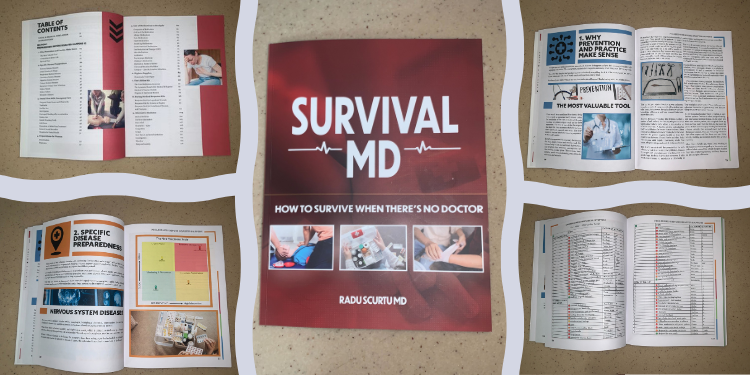
From the first few pages, it was clear this book was written with real-world scenarios in mind. The layout is clean, the chapters are logically organized, and the table of contents alone tells you exactly what kind of situations the authors expect you to face. It is not theory-heavy. It is problem-focused.
As someone who has spent years troubleshooting systems under pressure, mechanical, electrical, and human, I appreciate manuals that respect the reader’s time. Survival MD does exactly that.
First Impressions: Built for Real Emergencies
What immediately stood out to me was how clearly the book separates medical planning before disaster and after disaster. That distinction matters. Preventing problems and treating them when help is unavailable are two very different skill sets.
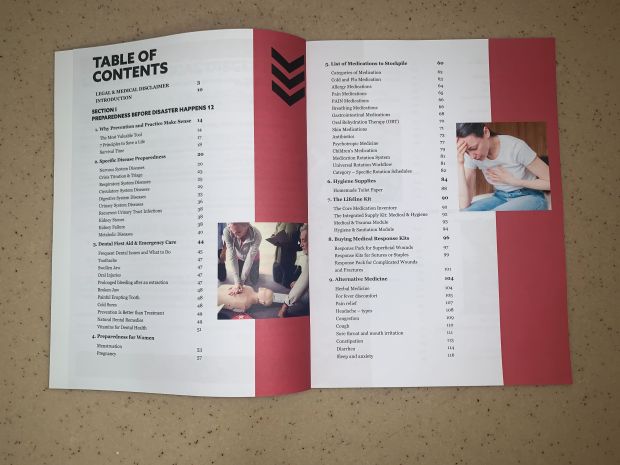
The early sections focus on prevention, medical kits, medication stockpiling, sanitation, and hygiene. These are areas I have personally tested during extended power outages and severe storms. The advice is grounded and realistic. There is no fantasy gear or unrealistic assumption that hospitals or pharmacies will always be available.
Later chapters shift into what happens when professional care is delayed or not coming at all. This is where the book truly proves its value.
My Experience Using the Book
I did not just read Survival MD. I compared it directly to my own preparedness setup.
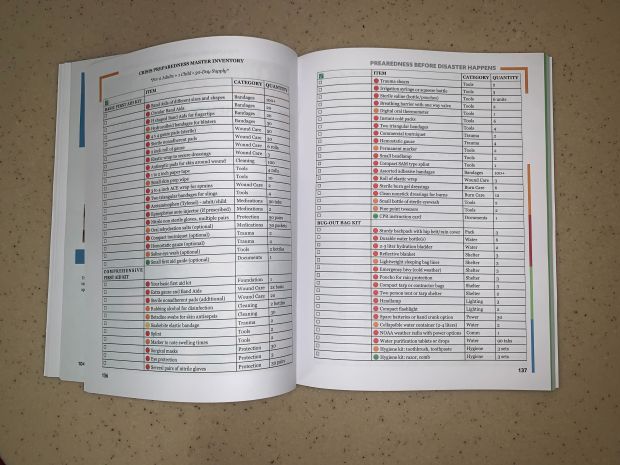
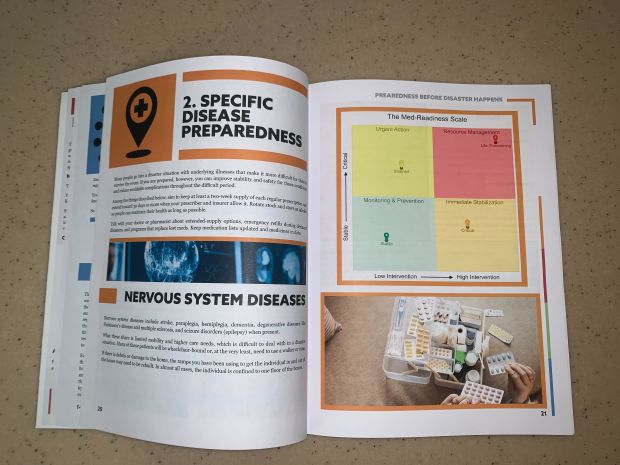
The chapters on medical kits and medication rotation lined up closely with what I have learned through hands-on experience. The book explains not only what to stock, but why it matters, how to organize it, and how to keep it usable over time. That is critical for anyone preparing beyond short-term emergencies.
I also spent time reviewing the CPR and trauma sections, especially the breakdown of fractures, wounds, burns, and infections. These chapters are written in plain language without oversimplifying the seriousness of the situations. The step-by-step structure helps you think clearly when stress is high, which matters more than most people realize.
One section I did not expect to value as much as I did was dental emergencies. Dental problems can escalate quickly and become debilitating, and most preparedness books barely touch on them. Here, they are treated as serious medical risks with clear guidance.
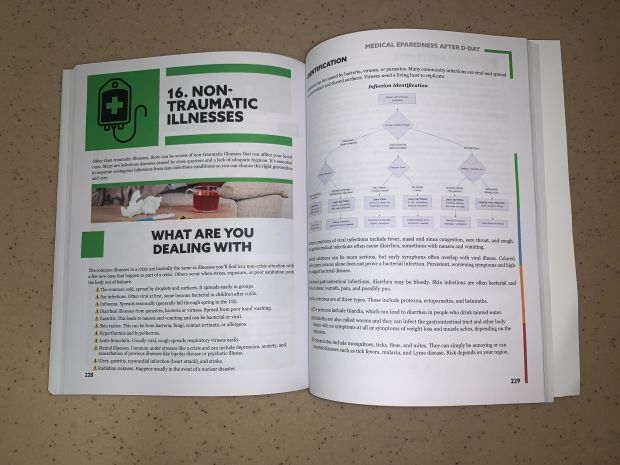
Medical Preparedness After D-Day
The medical preparedness after D-day section is where Survival MD separates itself from standard first-aid manuals.
Topics like self-diagnosis, performing a body check, recognizing medical distress, wound care, fractures, and infection management are addressed with a realistic mindset. The book does not encourage reckless treatment, but it acknowledges a hard truth. Sometimes you will not have immediate access to professional care.
The trauma coverage, including gunshot wounds, amputations, burns, and severe infections, is direct and honest. These are uncomfortable subjects, but ignoring them does not make you safer. Clear decision-making does.
As someone responsible for keeping systems and people functioning during failures, I respect how this book emphasizes stabilization, prioritization, and risk management rather than dramatic or unrealistic responses.
Why This Book Matters for Preppers
Medical readiness is often the weakest part of most preparedness plans. Many people focus on food, water, and power while assuming medical care will always be available.
Survival MD challenges that assumption.
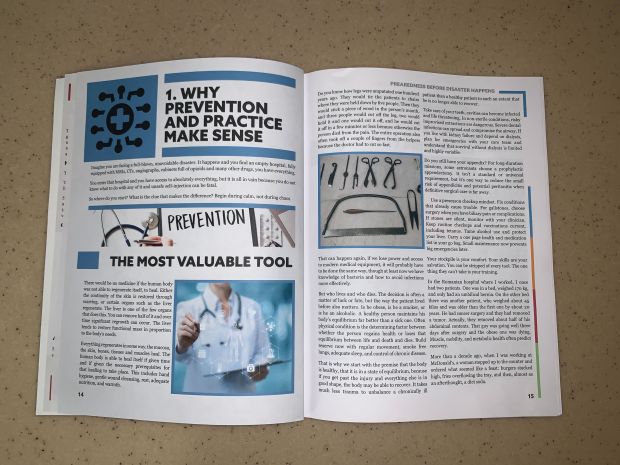
One of the strongest themes in the book is that health functions as a system, just like power or water. Without planning for sanitation, infection control, medication continuity, and injury response, every other part of a preparedness plan becomes harder to maintain.
For preppers, this book fills a critical gap. It teaches you how to think medically, not just what supplies to buy. That mindset is what allows you to adapt when conditions change.
How the Book Is Structured and Used
Survival MD works both as a full read and as a reference manual.
The book covers:
-
Disease-specific preparedness for respiratory, digestive, circulatory, urinary, and metabolic conditions
-
Medication categories and stockpiling strategies
-
Hygiene and sanitation when infrastructure fails
-
Dental emergencies and oral infections
-
CPR and choking response for adults and children
-
Trauma care including wounds, fractures, burns, and bleeding
-
Post-disaster medical decision-making
Each section builds logically, starting with prevention and moving toward intervention. You can jump directly to a topic during an emergency or study it ahead of time to build confidence and competence.
This is the kind of book you keep accessible, not buried on a shelf.
Final Thoughts
After spending time with Survival MD, I can confidently say it is one of the most practical medical preparedness books I have read. It does not assume perfect conditions, unlimited supplies, or guaranteed professional backup. It assumes reality.
If you are serious about self-reliance, whether for storms, extended outages, or long-term disruptions, this book deserves a place alongside your food storage and tools.
Medical preparedness is about capability and overcoming fear in the most crucial moments. Survival MD helps build that capability in a clear, responsible, and usable way.
>>This is the website where I purchased Survival MD while researching medical preparedness resources.<<




Read the full article here