






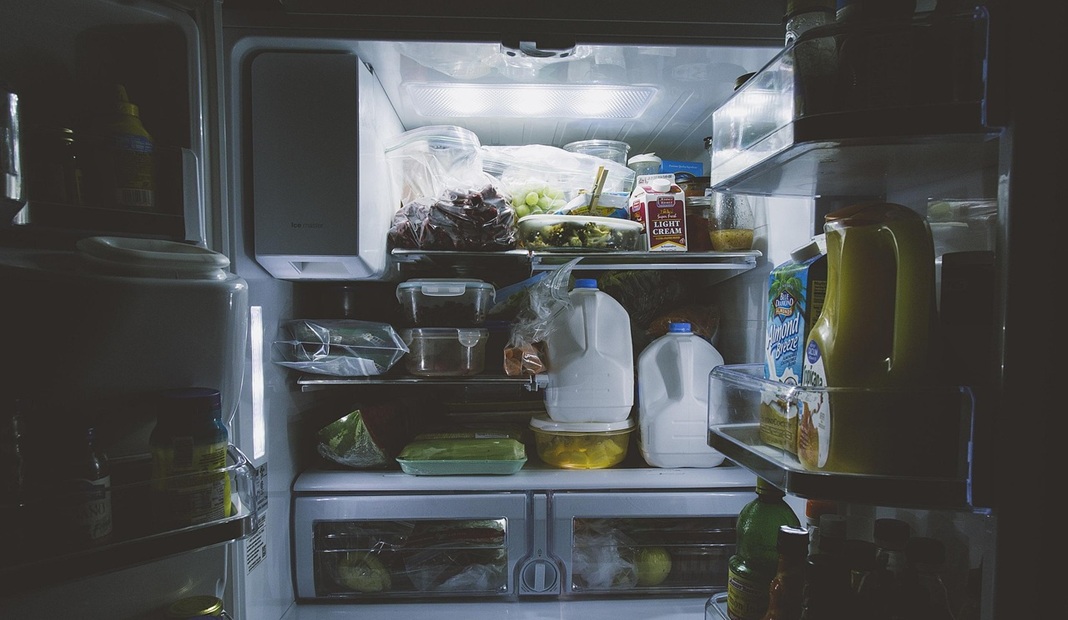
In the wake of disaster or crisis, food safety is crucial. It’s bad enough to lose power, but contracting a foodborne illness is just adding insult to injury. This is especially true if you don’t have running water, either.
The moment power is cut to your fridge and freezer, the inside of those appliances will begin to slowly warm. Once the interior temperature of the refrigerator hits 40F, the food in your refrigerator will start to deteriorate in just a couple of hours.
How Long Will Your Food Stay Safe?
Toss at Two Hours
Here are some foods that should just be considered a total loss. Food safety guidelines say to toss them out if they’ve been at or above 40F for more than two hours.
Advertisement — Continue Reading Below
All meats, whether raw or leftovers that were cooked. This includes poultry, fish, and seafood.
Any soups, stews, casseroles, pizza, or salads that have meat on or in them.
All dairy products, with the exception of butter. Everything else, including milk, yogurt, cream, and sour cream, needs to go.
Advertisement — Continue Reading Below
Soft cheeses, like mozzarella, ricotta, and Brie, should be tossed out. Hard cheeses like cheddar and Parmesan are probably okay. All shredded cheeses should go, but grated ones like Romano or Parmesan are fine.
Cut vegetables and fruit should be thrown out. This includes jarred garlic in oil as well as any vegetables that had been cooked and then stored as leftovers.
Advertisement — Continue Reading Below
All eggs, whether still in the shell or cooked, including hard-boiled, should go in the garbage. This also includes egg dishes like quiche.
Any cooked rice, potatoes, or pasta should go.
Preventing Food Loss
There are a few things you can do to help reduce the amount of food lost in a power outage. It starts by keeping your refrigerator and freezer as full as possible. Not only will the appliances work more efficiently that way, but the contents will also stay cold longer. Fill empty spaces with water bottles, if nothing else. It’s an easy way to store potable water for emergencies while also taking up dead air space in the fridge or freezer.
Advertisement — Continue Reading Below
Invest in a couple of decent thermometers so you can monitor the interior temperature of these appliances. Don’t wait until a power outage to use them, either. Keep them in the fridge and freezer all the time, as they can indicate if something isn’t working right.
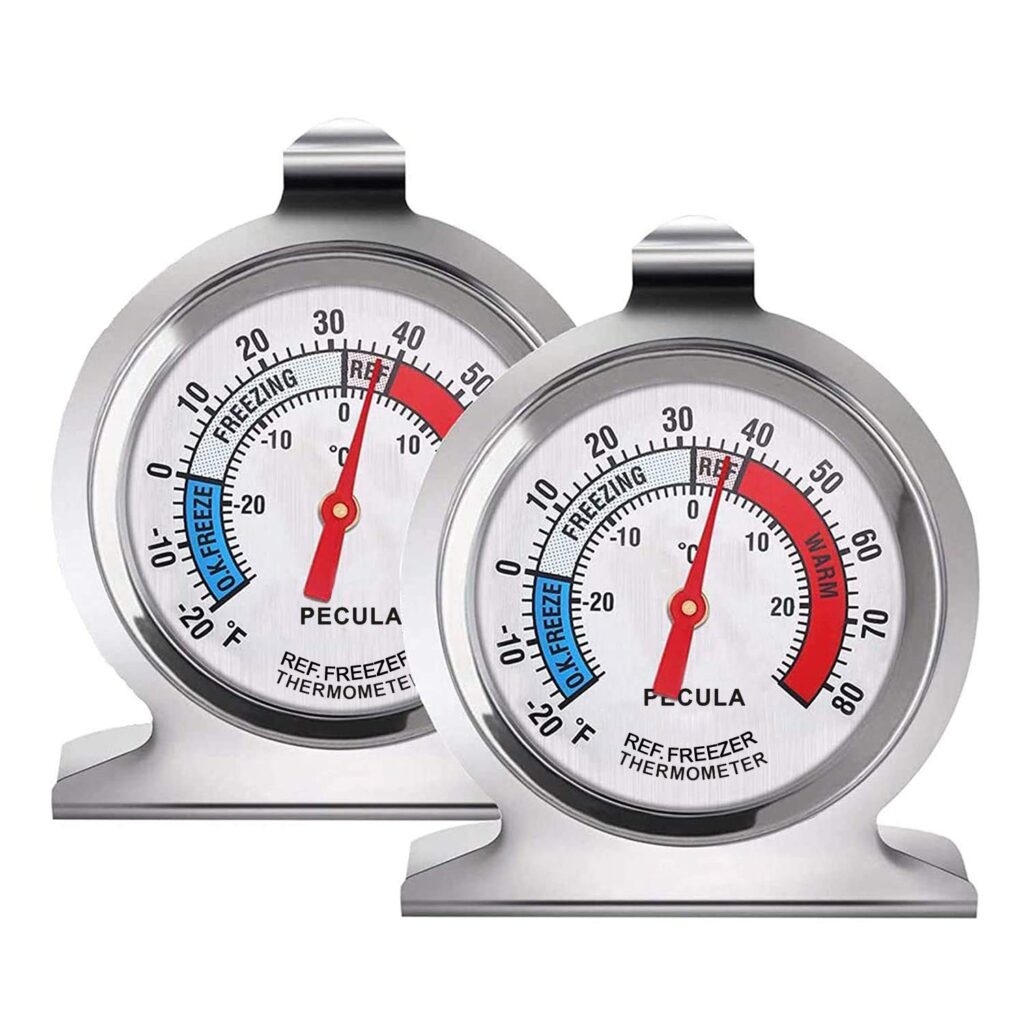
Buy a few cheap Styrofoam coolers and keep them socked away somewhere. If the power goes out and it feels like it’ll be a while before it returns, pack the perishables into the coolers along with ice packs, frozen water bottles, or whatever else you might have. Toss in your refrigerator thermometer so you can keep an eye on the temperature.
Advertisement — Continue Reading Below
One more thing you can do is consume as much of it as you can before it goes bad. Toss the steaks on the patio grill. Use a small campfire to reheat leftovers. If the food can safely go into bellies instead of the trash, so much the better.
Warning Signs
From a food safety standpoint, here are a few things to look for if you’re trying to determine whether the food has gone bad.
For starters, when in doubt, toss it out. Don’t take unnecessary risks. If it looks or smells off, throw it away.
Advertisement — Continue Reading Below
Any packages that are bulging should be put into the garbage without opening them. Trust me, if you peel back that plastic, you’re going to find a smell that will be imprinted on your very soul.
And, hey, don’t taste it to see if it’s bad. We shouldn’t even have to say that.
Read the full article here