




Several prosecutors say they will not enforce the ‘unconstitutional’ ban, which Spanberger acknowledged affects ‘frequently used’ firearms
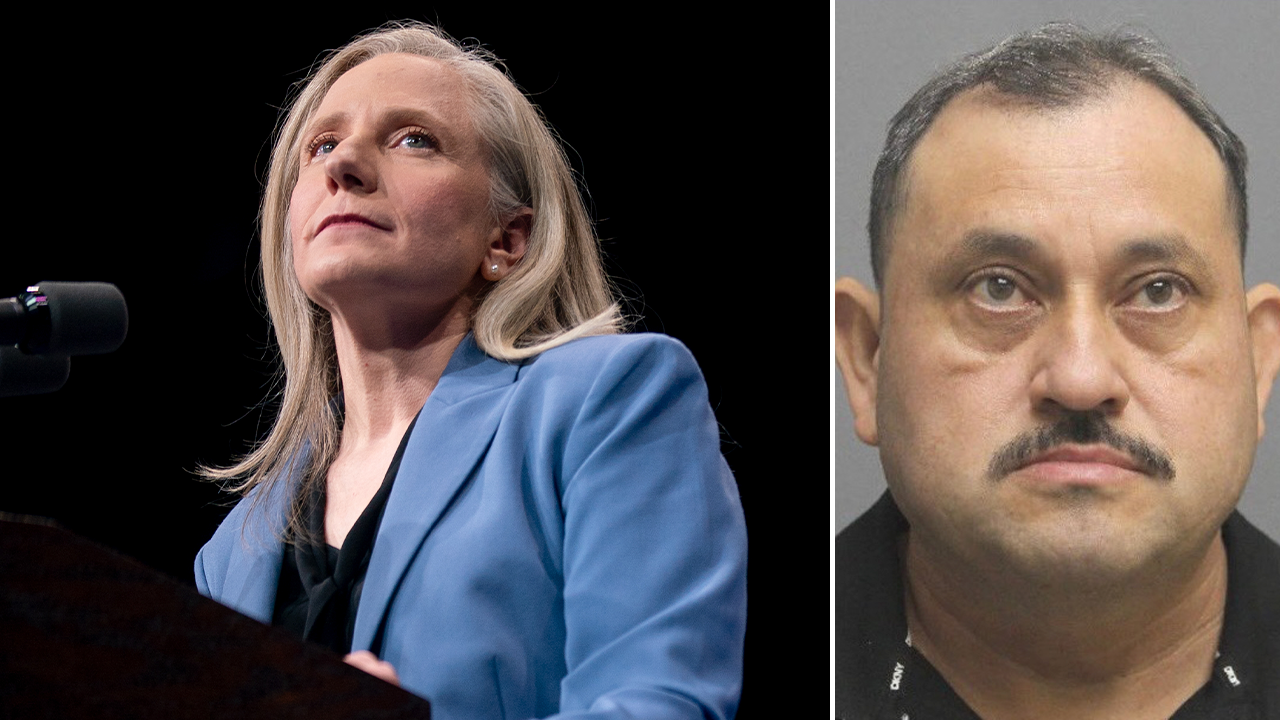
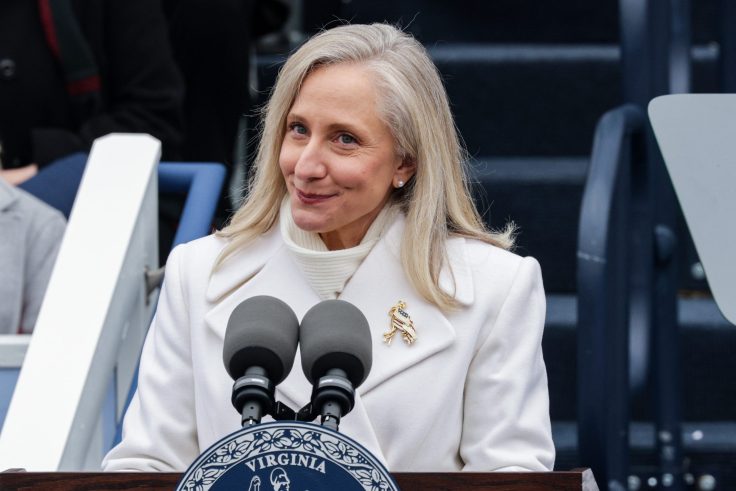
Virginia governor Abigail Spanberger (D.) may have shot herself in the foot: Her comment that the state’s new “assault weapons” ban affects “frequently used” firearms could undercut the state’s defense in lawsuits challenging the prohibition, according to legal experts.
The law bans the sale, manufacture, transfer, and import of semiautomatic firearms that can hold more than 15 rounds of ammunition starting July 1. After Spanberger signed the legislation on May 14, she released a statement saying, “firearms designed to inflict maximum casualties do not belong on our streets.” She also addressed the legislature’s decision to reject amendments she requested.
“While the General Assembly chose not to adopt my amendment that specifically carves out certain firearms frequently used for hunting, I will work with the patrons to clarify this language,” Spanberger said in the statement.
Her phrasing aligns closely with the Supreme Court’s majority opinion in the 2008 District of Columbia v. Heller case, which states that the Constitution protects firearms in “common use for lawful purposes.” That could provide fodder for gun rights groups suing the state over its ban.
“The governor’s acknowledgment that the law covers common hunting models will likely be cited in Second Amendment challenges. If the law is not amended, she could prove the main witness against her own signed legislation,” George Washington University law professor Jonathan Turley wrote in a May 17 blog post. “If the Virginia law remains unchanged, Spanberger may find that her signing statement will feature greatly in the appeal.”
Bill Sack, the senior director of legal operations at the Second Amendment Foundation, which joined the National Rifle Association and the Firearms Policy Coalition in a lawsuit filed against Virginia in federal court, agreed.
“To the extent Governor Spanberger herself acknowledges that many of the firearms which will now be banned in Virginia are ‘frequently used for hunting,’ and many of the others, like the AR-15, are owned by Americans in the tens of millions, it will be a hard sell in court that these guns aren’t ‘in common use,'” Sack told the Washington Free Beacon. “Any arm that is in common use cannot be banned. That’s what the Supreme Court has already said.”
Spanberger’s office did not respond to a request for comment.
This is the second time this year that left-wing legislation Spanberger signed has led to a bevy of lawsuits. Democrats’ effort to gerrymander Virginia’s congressional map, which Spanberger supported after saying she had no plans to redistrict mid-decade, was defeated when the state’s highest court ruled it illegal. The Supreme Court rejected their emergency appeal soon after.
Spanberger initially sent the gun bill back to the General Assembly, requesting amendments that would have exempted some semiautomatic shotguns typically used for hunting. She ultimately signed it even though the legislature rejected her changes.
Pro-Second Amendment groups, firearm manufacturers, and gun store owners immediately filed legal challenges. Sack’s lawsuit cites the “common use” standard in a federal court and argues that the prohibition violates the 2nd and 14th Amendments. Others were filed in three state courts and argue that the ban violates the Virginia Constitution’s right to bear arms and right to hunt, with one suit before the Fauquier County Circuit Court noting “Spanberger herself acknowledged” that some firearms affected are commonly used.
The thrust of plaintiffs’ arguments, however, will likely center on the law’s actual language rather than Spanberger’s comments, legal experts said.
“Her statement is not helpful to those who are defending the law, but it’s the law itself that matters,” William and Mary constitutional law professor Timothy Zick told the Free Beacon. “What does the statute actually ban?”
He said plaintiffs stand a better chance in Virginia court since there’s no precedent at the state level, whereas the U.S. Fourth Circuit of Appeals upheld Maryland’s assault weapons ban in 2024, and the Supreme Court declined to hear the case. He said they could win on the constitutional challenges or their arguments surrounding vague terms in the law, such as a ban on any pistol grip that “protrudes conspicuously.”
“It’s hard to handicap the state court case since there has not been much in the way of prior litigation on the issue,” Zick said.
The law is causing further escalations to the already high tension in Virginia’s justice system. Democrats issued sharp rebukes of the state supreme court’s gerrymander ruling, with one legislator saying he would “make sure” the justice who wrote the majority opinion would “not serve anymore come this January.”
Several prosecutors, meanwhile, have said they won’t enforce the assault weapons ban. Spotsylvania County commonwealth’s attorney Ryan Mehaffey, for instance, said that law, as well as a new ban on carrying assault weapons in public, are “unconstitutional and cannot be lawfully enforced.” Campbell County sheriff Whit Clark, meanwhile, told a local ABC News affiliate it was “nothing more than a gun grab.”
Read the full article here