







NEWYou can now listen to Fox News articles!
Ever settle in for movie night, hit play, and thirty seconds later, the picture dissolves into a blurry mess of pixels? You restart the app. You restart the router. You’re paying for a fast internet plan, so what gives?
Before you spend forty minutes on hold with your provider, there’s something you should know: the problem might not be your connection speed at all. It m
ight be your internet provider putting the brakes on certain types of traffic.
The good news is that one tool may help, especially when your provider is slowing down streaming traffic that it can recognize.
Sign up for my FREE CyberGuy Report
- Get my best tech tips, urgent security alerts and exclusive deals delivered straight to your inbox.
- For simple, real-world ways to spot scams early and stay protected, visit CyberGuy.com – trusted by millions who watch CyberGuy on TV daily.
- Plus, you’ll get instant access to my Ultimate Scam Survival Guide free when you join.
TRAVEL MISTAKE PUTS PHONE, LAPTOP AND STREAMING ACCOUNTS AT RISK
Why your streaming keeps buffering
Internet service providers handle enormous amounts of traffic. When their networks get congested, they look for ways to manage the load. One of the handiest tools in their bag is a technique called bandwidth throttling. It means deliberately slowing down certain types of traffic to ease the pressure on their infrastructure. Streaming video is one of the first things they may target because it eats up a lot of bandwidth fast.
Here’s the part that most people don’t realize: your ISP can often see what kind of traffic you’re sending and receiving. When they detect a steady stream of traffic flowing from a streaming platform, they may put a speed limit on that traffic specifically, even while your overall connection seems fine. You won’t always get a warning, but you will notice a dip in video quality.
That’s why you can load a webpage in a blink but still have to sit through buffer wheels before your show even gets going. The issue may not be your speed. It may be what your ISP does with it once they know how you’re using it.
Travelers can run into an additional wrinkle. Hotel networks and public connections are often shared across dozens or hundreds of people at once. When everyone is streaming, browsing and video calling at the same time, the network slows to a crawl and your video quality pays the price. What worked fine at home suddenly stutters and stalls on the road.
The fix most people don’t know about
A VPN, or virtual private network, is usually thought of as a privacy and security tool, but it may also help with some throttling problems. It runs quietly in the background while you stream.
When you connect to the internet through a VPN, your traffic gets encrypted before it leaves your device. Your ISP can still see that you’re using data, but it can no longer easily see what kind. Streaming traffic looks like encrypted data passing through, which means there’s no obvious streaming target to throttle. The result can be a more consistent connection, fewer interruptions and less of that infuriating mid-episode quality drop.
And there’s an extra benefit for travelers: Your traffic is encrypted on hotel, airport and café Wi-Fi. That can help protect what you’re doing online, though it won’t magically fix a network that’s overloaded. A good VPN can help keep your connection more stable across the unpredictable variety of networks you encounter while traveling, not to mention help protect you from public Wi-Fi hackers.
Just keep in mind that some streaming services may limit or block VPN connections, so you may need to switch servers or check the service’s rules.
NETFLIX CO-CEO CLARIFIES STREAMING GIANT’S LIVE SPORTS STRATEGY AMID NFL LINEUP EXPANSION, FEDERAL SCRUTINY
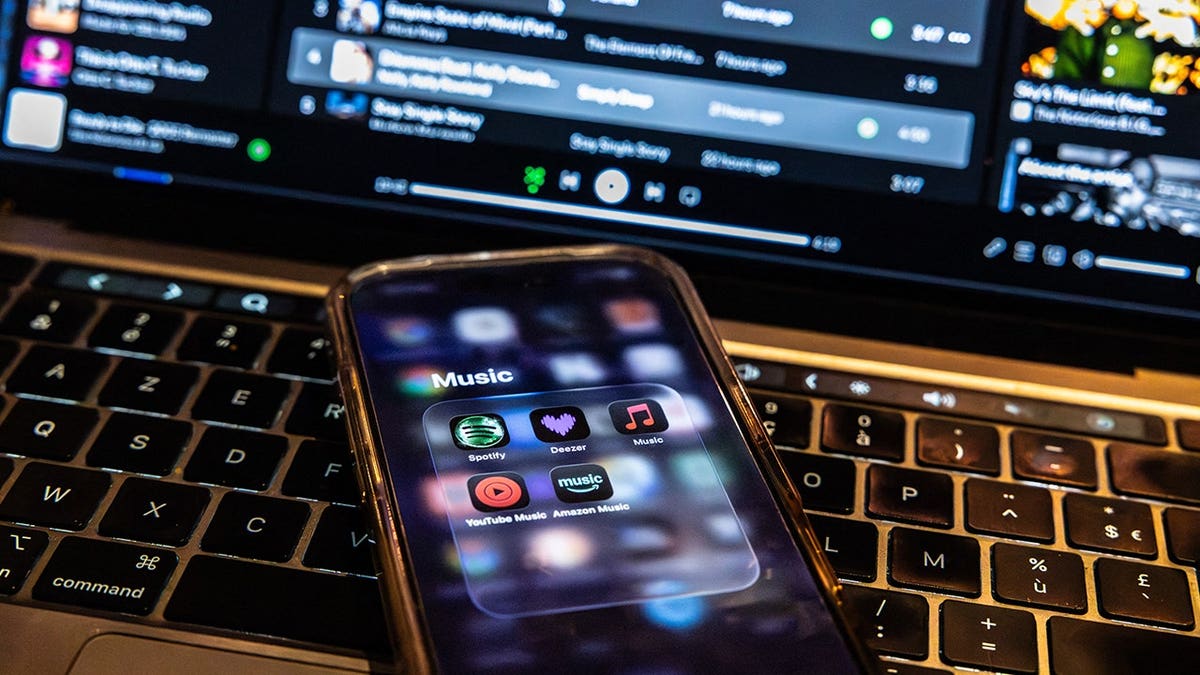
What to look for in a VPN for streaming
There’s no shortage of VPN options out there, but for streaming, a few things matter more than others.
Speed is king when it comes to video. A VPN that encrypts your traffic but slows your connection defeats the whole purpose. Look for a provider with a large network of fast servers and a proven track record with high-definition and 4K content.
Device support matters too. Your streaming life doesn’t live on just one screen. It’s also on your phone, your smart TV, your tablet and your laptop. A good VPN covers all of them under one subscription and will let you run it on multiple devices simultaneously.
Our top VPN pick checks all these boxes and is more than fast enough for high-quality streaming.
For the best VPN software, see my expert review of the best VPNs for browsing the web privately on your Windows, Mac, Android & iOS devices at Cyberguy.com
A few more tricks to keep in mind
Before blaming throttling, test your speed with the VPN on and off, restart your router, move closer to Wi-Fi, use a 5 GHz or 6 GHz network when available and try Ethernet for your main TV. If everything else is fast but streaming keeps dropping quality, throttling becomes a more likely suspect. Pair a VPN with these tips, and buffering becomes a rare event instead of a nightly battle.
1) Connect before you open the app
Turn on your VPN first, then launch your streaming service. It’ll save you the hassle of reconnecting in the middle of the episode.
2) Choose a nearby server
In general, the closer the server, the lower the lag. A server in your home city usually delivers the best balance of speed and stability.
3) Check your home router
If streaming still struggles with a VPN running, an outdated router might be your weakest link. A dual-band or Wi-Fi 6 model makes a noticeable difference on busy home networks. Looking to upgrade your home setup? Check out our guide to the Top 5 routers for best security in 2026 at Cyberguy.com
4) Download before you go
Most major streaming apps let you save content for offline playback. Load up a few episodes on your home connection before a long trip, and you might not need to stream at all for the first leg of your journey.
INSTANTLY UPGRADE YOUR STREAMING: AT HOME AND WHEN TRAVELING

Kurt’s key takeaways
Buffering isn’t something you have to accept, and your internet plan may not be the issue. Your provider could be managing your traffic when it recognizes what you’re watching. A reliable VPN can make it that much harder, whether you’re on your couch or in a hotel room across the country. Remember: the trick to smoother streaming isn’t always paying for faster speed. It’s making sure the speed you’re already paying for actually reaches your device.
Are you using a VPN for streaming, or have you found another workaround that does the job? Let us know by writing to us at Cyberguy.com
CLICK HERE TO DOWNLOAD THE FOX NEWS APP
Sign up for my FREE CyberGuy Report
- Get my best tech tips, urgent security alerts and exclusive deals delivered straight to your inbox.
- For simple, real-world ways to spot scams early and stay protected, visit CyberGuy.com – trusted by millions who watch CyberGuy on TV daily.
- Plus, you’ll get instant access to my Ultimate Scam Survival Guide free when you join.
Copyright 2026 CyberGuy.com. All rights reserved.
Read the full article here