




NEWYou can now listen to Fox News articles!
If you’re a woman who regularly reaches for coffee throughout the day, you may want to think twice about that next cup — or consider switching to tea.
Researchers at Flinders University reported in a study published in the journal Nutrients that high coffee consumption may be associated with lower bone mineral density (BMD) in older, postmenopausal women.
COFFEE MAY HAVE POWERFUL EFFECT ON LIVER HEALTH, MAJOR STUDY SUGGESTS
The scientists analyzed coffee and tea consumption among 9,704 women age 65 and older over a 10-year period. During that time, they also measured participants’ BMD at the femoral neck and hip — areas where osteoporosis-related fractures commonly occur.
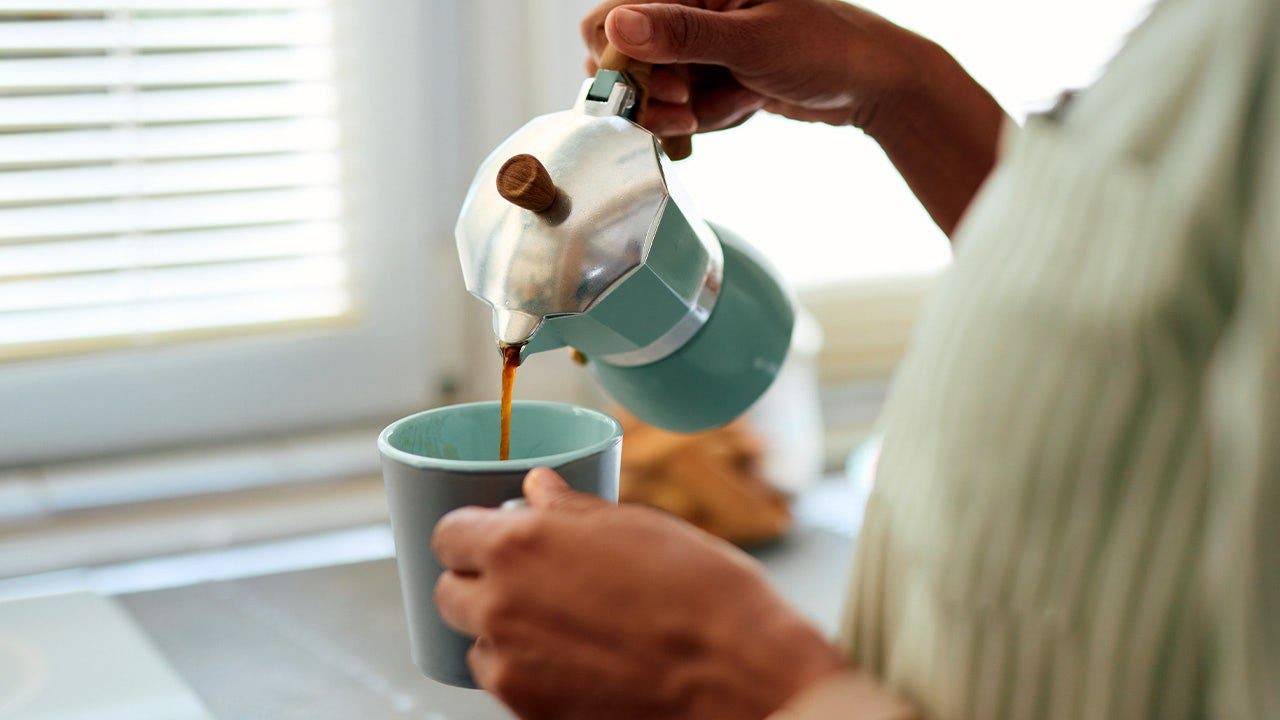
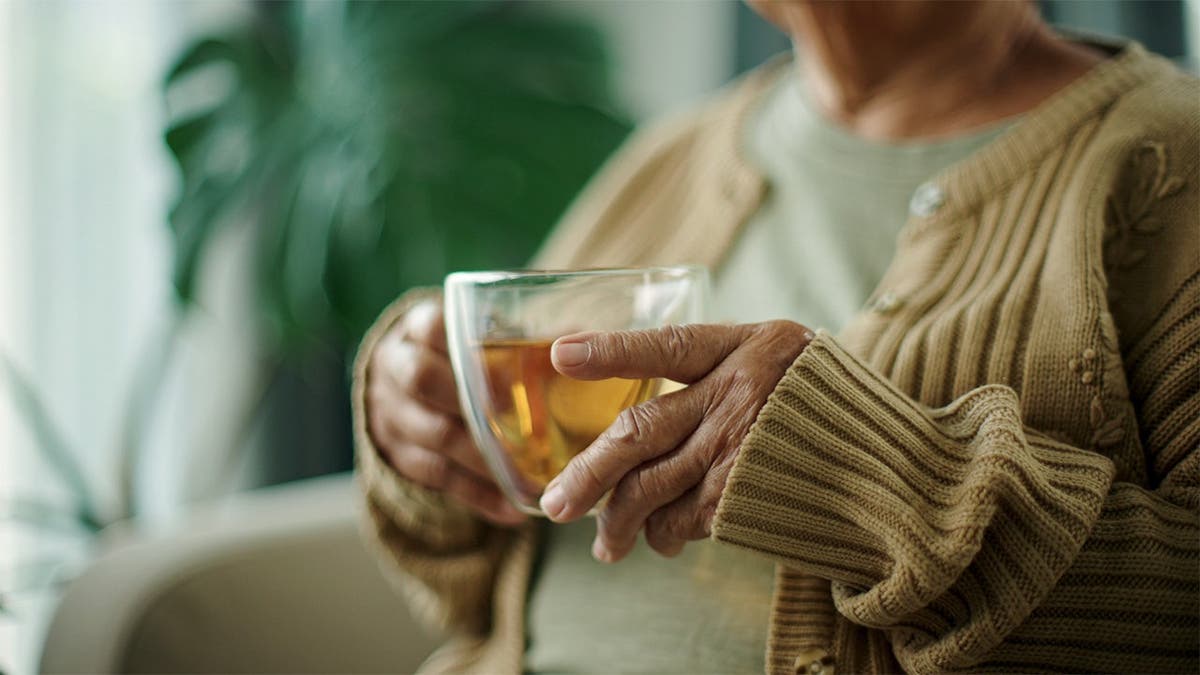
The researchers found that drinking tea was associated with higher total hip BMD, while drinking more than five cups of coffee per day was associated with lower BMD.
Moderate coffee consumption — about two to three cups a day — was not associated with negative effects on bone health.
The study also identified differences based on other health and lifestyle factors. Coffee consumption was associated with lower femoral neck BMD among women with higher alcohol intake, while the positive association between tea and bone density was more pronounced among women with obesity.
CLICK HERE FOR MORE LIFESTYLE NEWS
The researchers wrote that osteoporosis, which is characterized by low BMD, “is a major global public health concern affecting individuals across all ages, genders and ethnicities.”
About one in three women and one in five men age 50 and older worldwide experience osteoporosis-related fractures, according to the study.
Women face a particularly high risk because they generally have lower bone mass and experience accelerated bone loss after menopause.
In the U.S., the number of adults age 50 and older with low BMD in the hip or spine is projected to increase by 17.2 million by 2030, adding to the healthcare costs and long-term disability associated with osteoporosis-related fractures, the researchers noted.

The scientists wrote that they studied the relationship between coffee and tea and bone health because dietary factors play a “crucial role in the prevention of noncommunicable disease and may influence bone health,” and these are two of the most widely consumed beverages globally.
TEST YOURSELF WITH OUR LATEST LIFESTYLE QUIZ
Study co-author Ryan Liu told ScienceDaily that “compounds called catechins, abundant in tea, may promote bone formation and slow bone breakdown.”
“Coffee’s caffeine content, by contrast, has been shown in laboratory studies to interfere with calcium absorption and bone metabolism, though these effects are small and can be offset by adding milk,” Liu said.
“Our results don’t mean you need to give up coffee or start drinking tea by the gallon,” Liu added. “But they do suggest that moderate tea consumption could be one simple way to support bone health, and that very high coffee intake might not be ideal, especially for women who drink alcohol.”
Symptoms of osteoporosis and early bone loss include back pain, loss of height over time and stooped posture, according to the Mayo Clinic.
CLICK HERE TO DOWNLOAD THE FOX NEWS APP
Steps that can help prevent bone loss and support bone health include eating calcium-rich foods, such as dairy products, leafy greens and canned fish with bones; getting adequate vitamin D, which helps the body absorb calcium; and exercising regularly, particularly through weight-bearing and strength-training exercises.
Balance exercises can also help reduce the risk of falls and fractures.
Read the full article here