




NEWYou can now listen to Fox News articles!
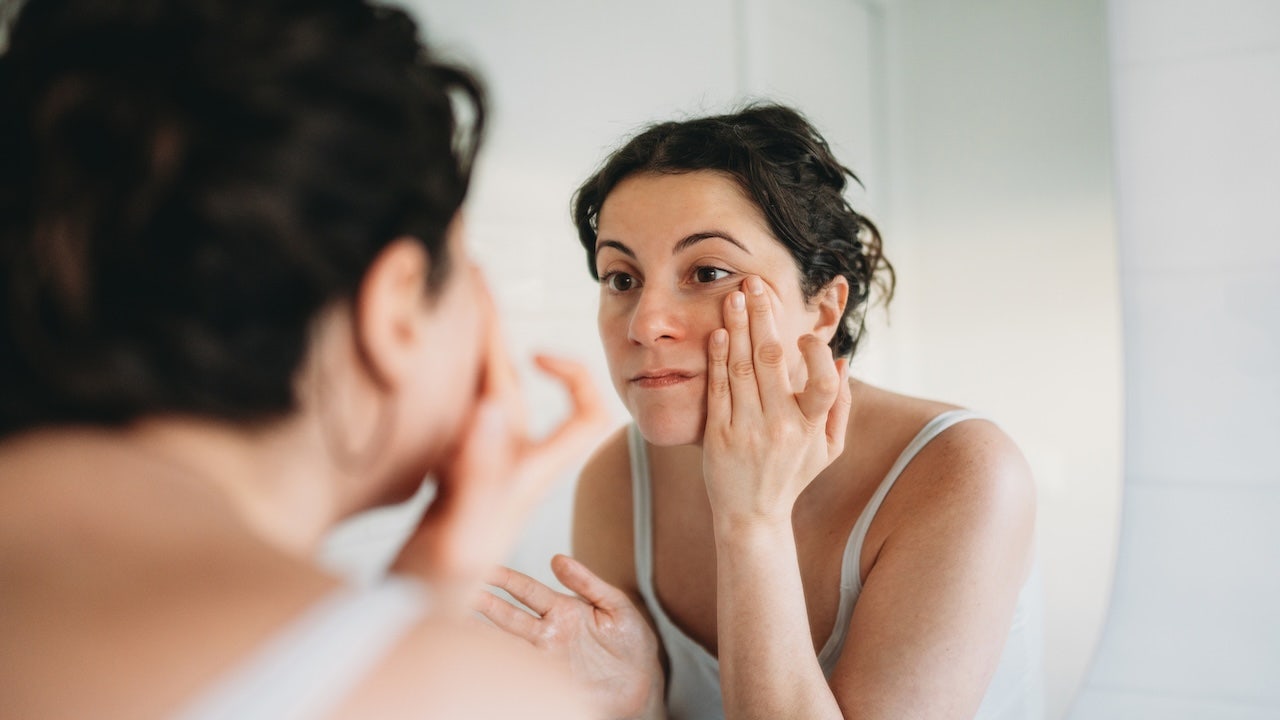
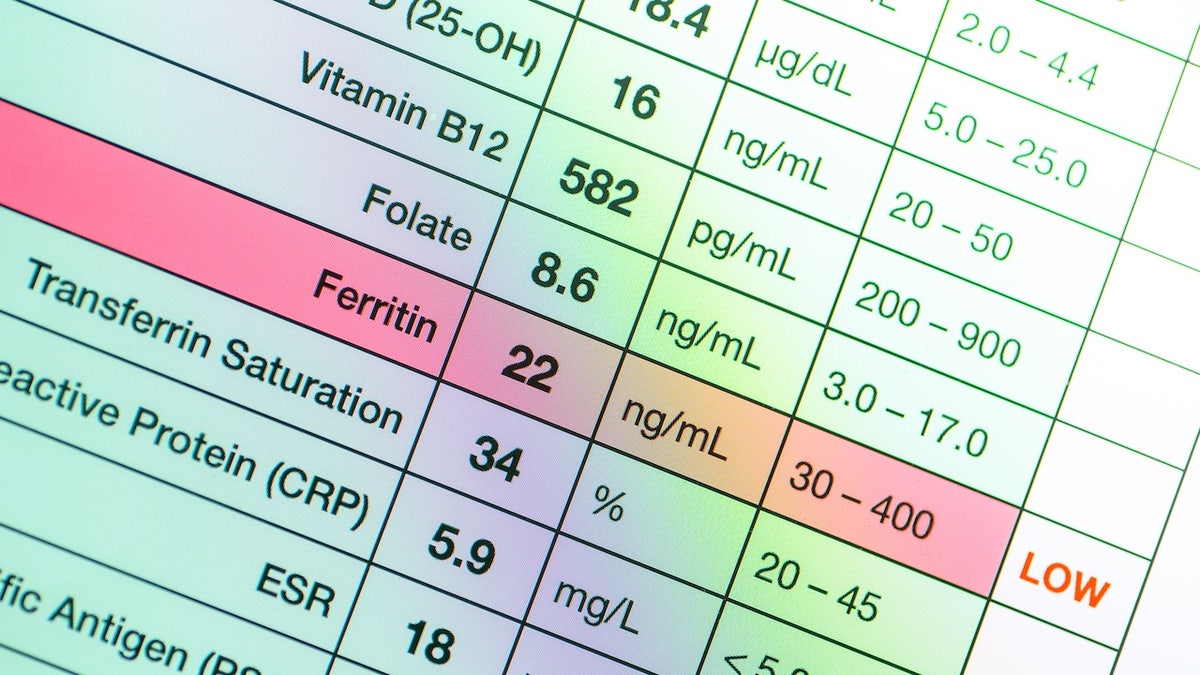
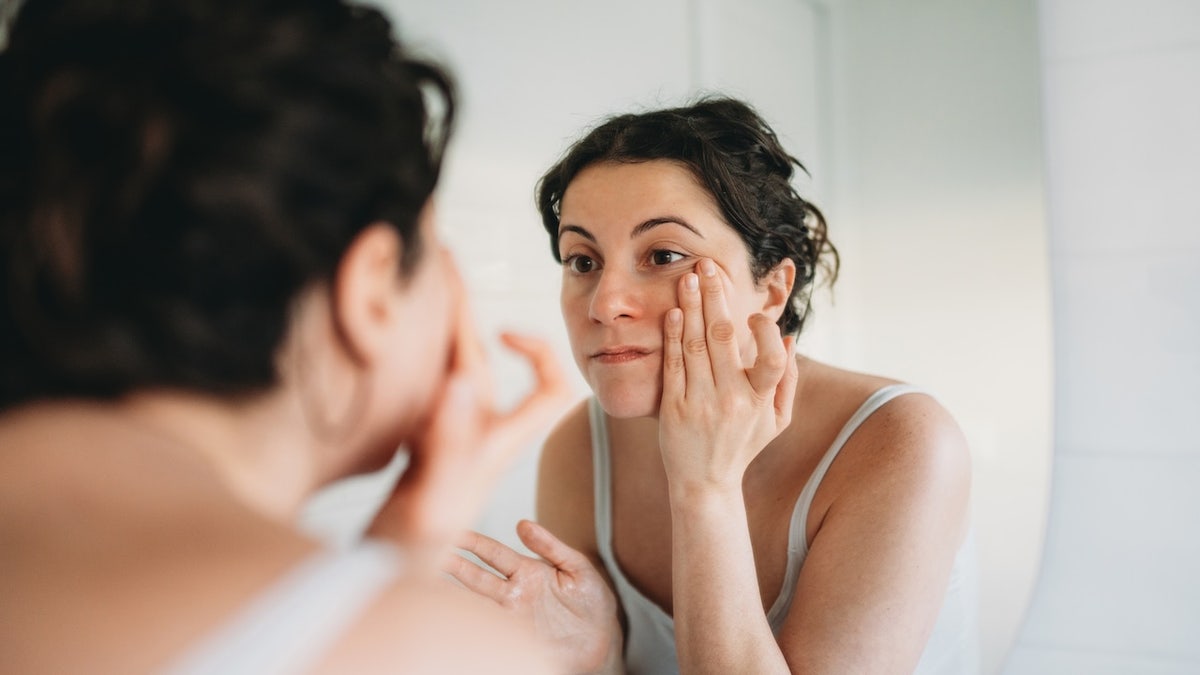
Dark under-eye circles may be more than a cosmetic concern. Doctors say they can sometimes signal low iron stores — a condition that’s gone viral on social media under the name “ferritin face.”
Experts say there’s some truth behind the trend — with important caveats.
Ferritin can be thought of as the body’s “iron storage vault,” according to Dr. Josef Hadeed, a double board-certified plastic surgeon at Hadeed Plastic Surgery in Beverly Hills, California. It is a protein that stores iron inside the body’s cells and releases it when needed.
LOW TESTOSTERONE? HEGSETH SPARKS CONVERSATION AS DOCTORS REVEAL WARNING SIGNS EVERY MAN SHOULD KNOW
“When ferritin levels drop, the body struggles to produce hemoglobin, which is the iron-rich protein within your red blood cells that transports oxygen to the tissues,” Hadeed told Fox News Digital.
Low iron levels can compromise skin elasticity, which can make the tissue appear thinner and less resilient, the doctor said.
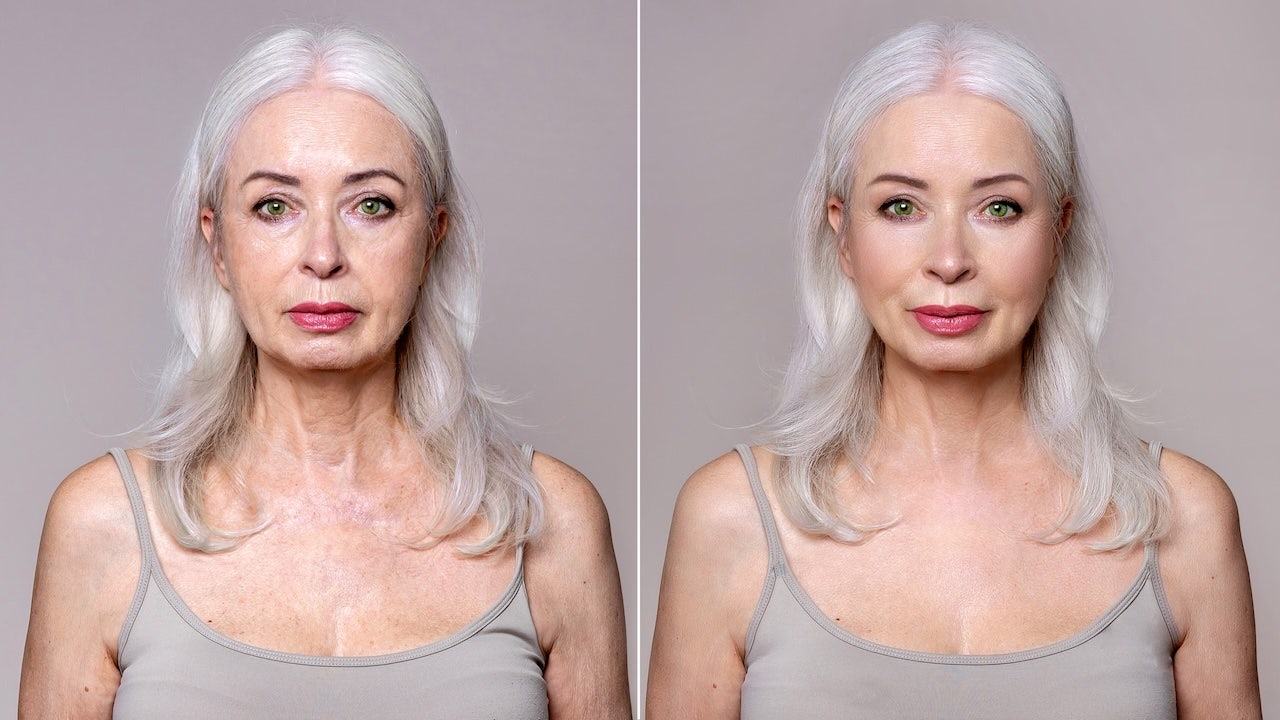
When hemoglobin is low, the skin can lose its healthy color and appear pale, making the naturally darker tissue beneath the eyes more noticeable, Hadeed noted.
Symptoms of low ferritin
Besides pale skin and dark under-eye circles, other symptoms may signal that someone is lacking iron.
CARLY SIMON REVEALS THE COMMON CONDITION THAT MASKED HER PARKINSON’S DIAGNOSIS
“The severity of these symptoms generally increases as ferritin decreases,” Dane Thomas, a Texas-based hematology/oncology physician’s associate who specializes in the care of patients with hematologic disorders and cancer, told Fox News Digital.
Low energy, fatigue, dizziness, lightheadedness, headaches, fainting, brittle or thin nails, hair loss, cravings to chew ice, and restless legs syndrome are a few signs, according to Thomas.
“Some patients also experience decreased exercise tolerance, difficulty concentrating or shortness of breath with exertion,” he said.
Other symptoms can include pounding or “whooshing” in the ears, a sore or smooth tongue, rapid heartbeat, intolerance to cold and poor sleep, according to the American Society of Hematology.
Underlying conditions
Beyond cosmetic concerns, ferritin face may signal an underlying medical condition, including chronic bleeding, gastrointestinal disorders or cancers, or malabsorption, according to hematological experts.
With the rise in bariatric surgery, more patients are developing iron deficiency due to impaired iron absorption, Thomas said. Certain over-the-counter acid-suppressing medications, including proton pump inhibitors (PPIs) and H2-receptor blockers, may also contribute to low iron.
“This is not something that someone should self-treat.”
While treating iron deficiency is important, identifying and addressing its underlying cause is equally critical, he said.
“Whenever possible, I work with my patients to determine why their iron deficiency developed so we can reduce the likelihood that it will recur,” Thomas told Fox News Digital. “This often involves collaboration with gastroenterologists, gynecologists or other specialists to evaluate for sources of blood loss or malabsorption.”
CLICK HERE TO SIGN UP FOR OUR HEALTH NEWSLETTER
Pregnancy, heavy menstrual bleeding and frequent blood donation can also contribute to lower iron levels. Vegetarians, vegans and those who follow diets that do not include iron-rich foods may also be at risk, according to the American Society of Hematologists.
Diagnosis and treatment
If a person thinks they may have low ferritin, it is important to see a physician.
“This is not something that someone should self-treat, and I always advise them to seek professional help,” Hadeed advised. “Unlike water-soluble vitamins, the body has no easy mechanism to excrete excess iron, and over-supplementation can lead to increased levels of iron in the body, which can affect the liver and heart.”
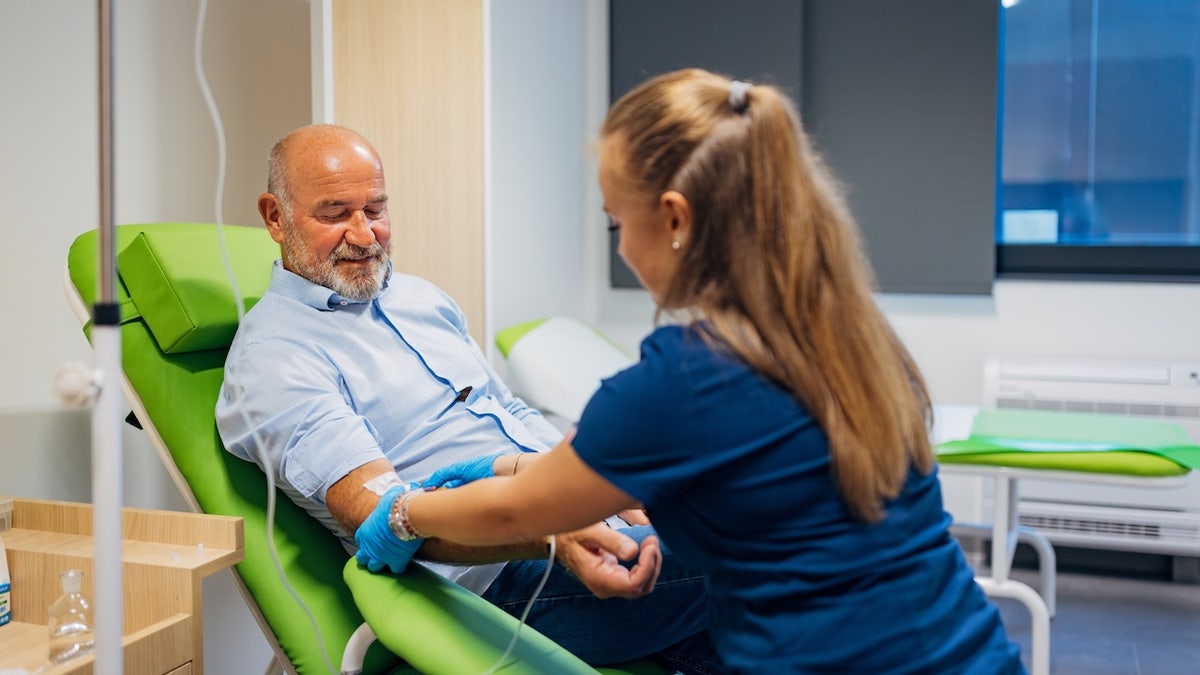
A simple blood test by a healthcare professional can determine iron levels. Further evaluation may include stool and urine tests to look for blood, along with endoscopy to examine the esophagus, stomach and colon. Women may also undergo a gynecological evaluation, according to experts.
TEST YOURSELF WITH OUR LATEST LIFESTYLE QUIZ
Treatment for iron deficiency may include oral supplementation and, in cases of severe anemia, intravenous (IV) iron or blood transfusions.
“The biggest drawback of oral iron is gastrointestinal side effects, including nausea, constipation, abdominal discomfort and stomach upset,” Thomas noted.
CLICK HERE FOR MORE HEALTH STORIES
“These side effects can often be minimized by taking iron every other day rather than daily, a strategy that also maintains excellent absorption for many patients.”
He also recommends spacing them apart from calcium supplements, dairy products and antacids, which can affect absorption.
Following a diet that includes iron-rich foods can also help, according to the American Society of Hematology website.
Some examples include beef, pork, or lamb; organ meats like liver, chicken, turkey, duck and fish (especially shellfish, sardines and anchovies); leafy greens, such as broccoli, kale, turnip greens and collard greens; legumes, including lima beans, peas, pinto beans and black-eyed peas; and iron-enriched pastas, grains, rice and cereals.
CLICK HERE TO DOWNLOAD THE FOX NEWS APP
Ferritin face is reversible, Hadeed emphasized.
Once iron stores are safely restored and hemoglobin levels rebound, the skin recovers its healthy capillary flush, and dark under-eye circles tend to fade over several months.
Read the full article here