





I’m one of those people that see fear as a helpful ally rather than an enemy or “show stopper” and I learned to use it for guidance in the last two decades since I’ve thrown myself into the world of emergency preparedness.
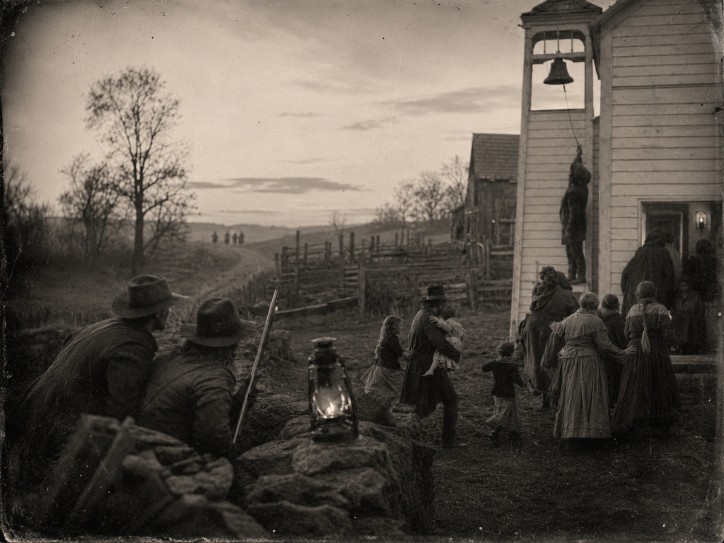
Fear has a way of slipping into a household uninvited and making itself comfortable. It might show up after watching the news, hearing about a layoff in the neighborhood, or simply noticing that the kids are growing up faster than expected and the world feels less predictable than it used to.
Whatever the trigger, fear tends to settle into daily routines quietly, and before anyone notices, it starts shaping decisions, conversations, and even bedtime. The truth is, there is no need to treat fear as the enemy of a peaceful home. It is a normal human response, and when it is acknowledged rather than buried, it can actually become useful information rather than a constant threat hanging over the family.
I’ve seen with my own eyes the challenge that most people face when fear shows up and is not the fear itself but rather what happens after it. Some families go silent about it, hoping that not talking will make it disappear. Others let it dictate everything, from where the children are allowed to go to how every disagreement gets handled.

Neither approach actually works long term, because fear that is ignored tends to grow louder, and fear that is given total control tends to shrink the family’s world until everyone feels boxed in. You may believe and convince yourself that you’ve pushed it down and ignore it, but fear feeds slowly on your insecurities and it will burst out when you least expect it.
And believe me, the goal is not to eliminate it completely, since that is not realistic and probably not even healthy. The goal is to build a home where fear can be named, discussed honestly, and converted into action that actually helps, instead of a force that quietly runs the household from the shadows.
Why Fear Finds Its Way Into Family Life So Easily
Homes are emotional ecosystems and whatever one person feels tends to ripple outward to everyone else living under the same roof, often without a single word being spoken. A parent who is anxious about finances might not say anything directly, yet the tension shows up in shorter tempers, distracted conversations, or a general sense of unease that the kids pick up on even if they cannot name it.
Children are particularly sensitive to this kind of emotional weather. They may not understand the specifics of what is worrying their parents, but they absorb the mood, and fear in the home rarely stays contained to one person for long.
There is also the matter of how much information families are exposed to now compared to a generation ago. A constant stream of news, social media updates, and group chats means that worry has more entry points than ever. A headline about crime in another city, or a forwarded message about some looming danger, can land in a household within seconds and start a ripple of concern before anyone has had time to think it through.
None of this means a family is doing something wrong by feeling afraid. It simply means fear has more avenues into the home than it used to, which calls for a more intentional approach to managing it rather than hoping it sorts itself out on its own.
Naming Fear Out Loud Instead Of Letting It Hide
One of the most effective tools available to any household is something that costs nothing and takes very little time: saying the fear out loud. Many families operate under an unspoken rule that certain topics are off limits, especially around children, out of a desire to protect them.
While the intention is good, the result is often the opposite of what was hoped for. Kids and partners alike tend to sense when something is being withheld, and the imagination often fills in the blanks with something worse than reality.
Naming fear does not mean dramatizing it or turning every dinner conversation into a therapy session. It can be as simple as a parent saying, “I have been a little stressed about money this month, so we are going to be more careful with spending for a while.” That single sentence does more to settle a household than weeks of unexplained tension ever could, because it gives everyone a clear picture instead of a vague cloud of worry to interpret on their own.
For couples, the same principle applies. Fear about a relationship, a health scare, or a job situation that goes unspoken tends to come out sideways, through irritability, withdrawal, or arguments about unrelated things. Saying directly, “I am scared about what the doctor said and I need to talk about it,” opens a door that silence keeps firmly shut.
Creating A Family Habit Of Honest Conversation
Naming fear once is a good start, but building a habit of honest conversation is what actually changes the climate of a home over time. This does not require a formal family meeting with an agenda, although for some households that structure works well. It can be something far more casual, like a regular check-in during a car ride or while doing dishes together, where the question “is anything worrying you this week” becomes a normal part of the rhythm rather than a rare and heavy event.
The hardest part about honest conversation inside the household is that the current construct of our world, limits open expression by attracting people into unsafe and uncertain communication channels. People have developed the habit with talking on the internet with strangers or even AI models rather than being open with their loved ones.
The key to a healthy conversation is consistency. A single deep conversation after a crisis is helpful, but it is the ongoing practice of checking in that prevents fear from building up unnoticed in the background. Families who talk regularly about what is on their minds tend to catch small worries before they grow into bigger ones.
It also helps to model that fear is not shameful. When a parent admits to feeling nervous about something, whether it is a work presentation or a health appointment, it teaches children that fear is a normal part of being human rather than a flaw to hide. Kids who grow up watching adults talk through worry instead of suppressing it tend to develop the same skill themselves, which serves them well far beyond childhood.
Turning Fear Into A Plan Instead Of A Downfall
Fear that stays in the head tends to spiral out of control. The same worry gets replayed over and over without resolution, and the brain starts treating the threat as bigger and more immediate than it actually is. You end up making scenarios that have no actual base in real life just because your brain has turned into high alert mode. One of the most practical tools for breaking this cycle is turning fear into a concrete plan.
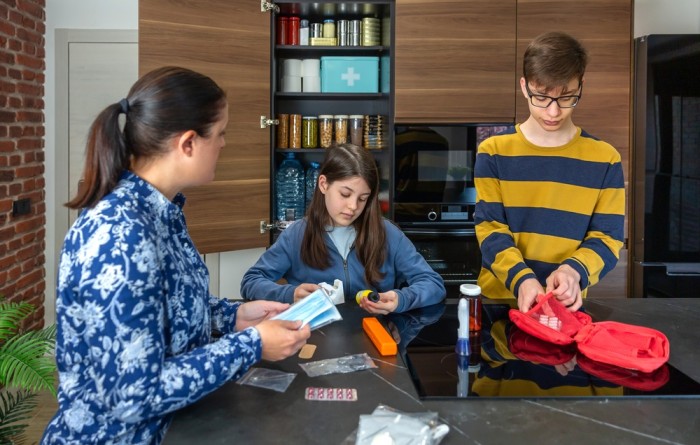
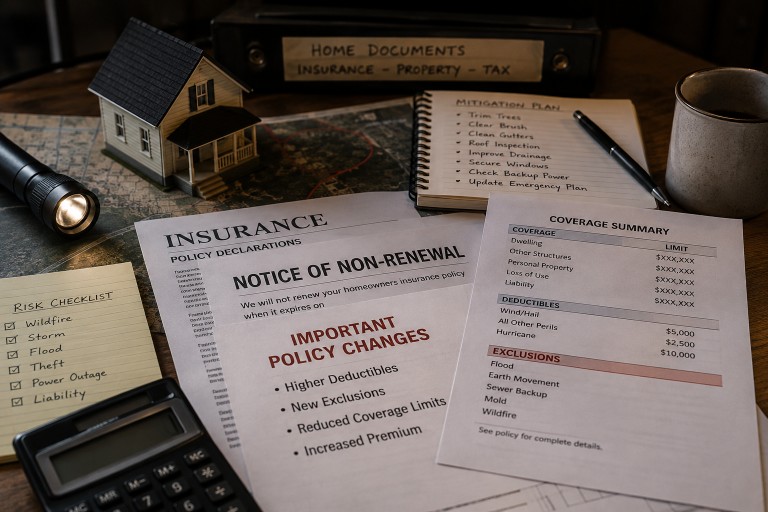
If the worry is about finances, that might mean sitting down together to write out a basic budget, identify which expenses can be trimmed, and set a savings goal, even a small one. If the fear involves safety, such as a break-in or an emergency at home, that could translate into reviewing door locks, agreeing on a meeting spot in case of fire, or simply making sure everyone knows where the flashlight is kept.
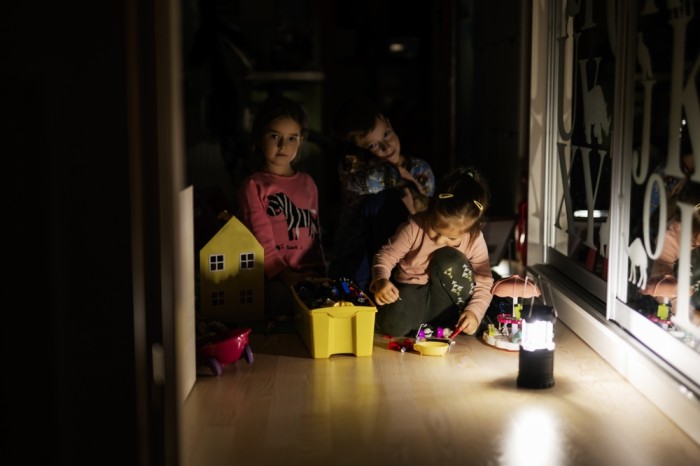
This step matters because fear thrives on vagueness and insecurity. A worry that has no shape feels enormous, while a worry that has been broken down into specific steps that can be worked one starts to feel manageable. The family that has a plan for what to do if the power goes out during a storm feels less afraid of storms in general, not because the storm itself changed, but because the uncertainty around it shrank and they now have answers for their questions.
It helps to involve children in age-appropriate parts of this planning. A young child can be given the simple job of knowing where to go during a fire drill or perhaps retrieve pets from their hiding spots during a storm. An older teenager can be part of a conversation about budgeting or even about a parent’s health situation. Giving people a role, however small, transforms them from passive recipients of fear into active participants in addressing it.
Setting Boundaries Around Fear Triggers
Part of handling fear well is recognizing which inputs make it worse and setting reasonable limits around them. This is especially relevant when it comes to news consumption and social media. Watching hours of coverage about a tragedy or scrolling through alarming posts late at night rarely leads to better decision making. It mostly leads to a nervous system that stays activated long after the original story has ended.
Families can agree on simple boundaries, such as no news right before bed, or designating certain hours of the day as screen free. This is not about avoiding reality or pretending difficult things are not happening in the world. It is about choosing when and how to engage with that information so it does not seep into every quiet moment of the day.
The same logic applies to conversations that go in circles without producing anything useful. There is a difference between processing a fear together and rehashing it repeatedly without any new insight. A household can set a gentle norm where, after a topic has been discussed and a plan reached, everyone agrees to let it rest unless something new comes up. This keeps fear from becoming the constant background noise of family life.
Recognizing When Fear Has Gone Too Far
There is a point at which ordinary worry crosses into something that needs more support than family conversation and planning can provide. Persistent anxiety that interferes with sleep, appetite, work, or relationships, especially when it lasts for weeks rather than days, is worth taking seriously. The same goes for children who show ongoing nightmares, refusal to go to school, or a marked change in behavior that does not improve with reassurance.
In these situations, reaching out to a counselor, therapist, or doctor is not a sign that the family has failed to handle things on its own. It is simply the next reasonable step, the same way a persistent cough eventually warrants a visit to a doctor rather than more home remedies.
It’s hard to acknowledge this and many folks refuse to believe that they simply do not poses the tools to handle fear and its outcomes in certain scenario. Seeking out help should not be seen as an shameful escape but rather as planned step to improve the situation and assure mental well-being.
Families that treat professional help as a normal option, rather than a last resort reserved for emergencies, tend to address problems earlier and with better outcomes. Waiting until a situation becomes a crisis usually makes the path back to stability longer than it needed to be.
Building Resilience As A Long Term Habit
Handling a single moment of fear well is useful, but building resilience as an ongoing family trait is what really changes the household’s relationship with fear over time. This comes from repeated practice rather than a single conversation. Each time a family names a worry honestly, makes a plan, and follows through, they reinforce the idea that fear is something they can face together rather than something that controls them.
Rituals help here too and a weekly family dinner where everyone shares one good thing and one hard thing from their week builds a habit of honest sharing that makes space for fear without letting it dominate the conversation. In my family, Taco Tuesdays are reserved for honest conversations during a pleasant meal and no topic is off limits.
Celebrating small wins, like sticking to a new budget or getting through a stressful week without it derailing the household, reinforces the sense that the family is capable of handling difficulty.
Over time, this builds something like emotional muscle memory. The next time something frightening comes along, whether it is a health scare, a financial setback, or an unexpected change, the household already has a track record of facing fear honestly and responding with action rather than panic.
Concluding
Fear is going to show up in every home at some point, and pretending otherwise is not realistic nor helpful long-term. What actually makes the difference is whether a family lets it sit in the dark, growing bigger through silence, or brings it into the open where it can be examined, discussed, and acted upon.
Naming a worry out loud, building a habit of honest check-ins, and turning vague anxiety into a concrete plan are not complicated tools, but they are remarkably effective when used consistently.
What I have noticed is that the households who handle fear best are not the ones who feel it the least. They are the ones who have practiced talking about it so often that it no longer carries the same charge. Fear becomes information rather than a crisis, something to respond to rather than something to hide from.
There is no perfect formula here, and I guarantee that some weeks will be harder than others. But a home that treats fear as something to work through together, rather than something to fear, ends up steadier in the long run. That steadiness is worth building on purpose, one honest conversation at a time.






Read the full article here